23 Scandinavian Living Room Ideas That Feel Effortless

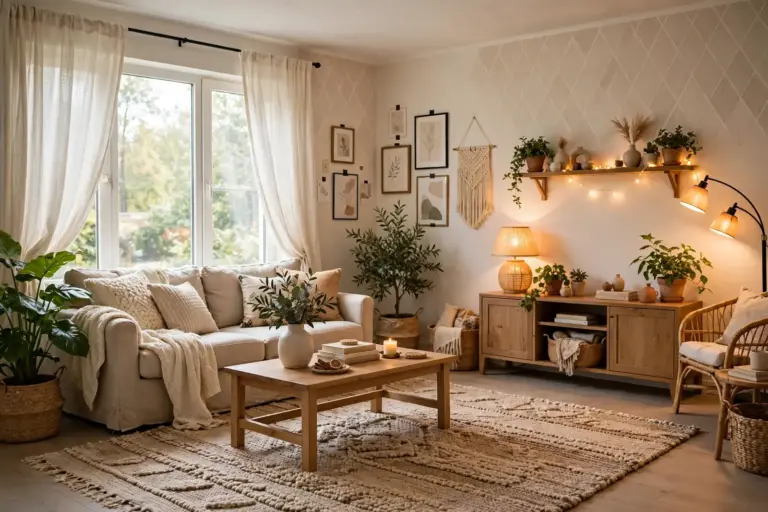
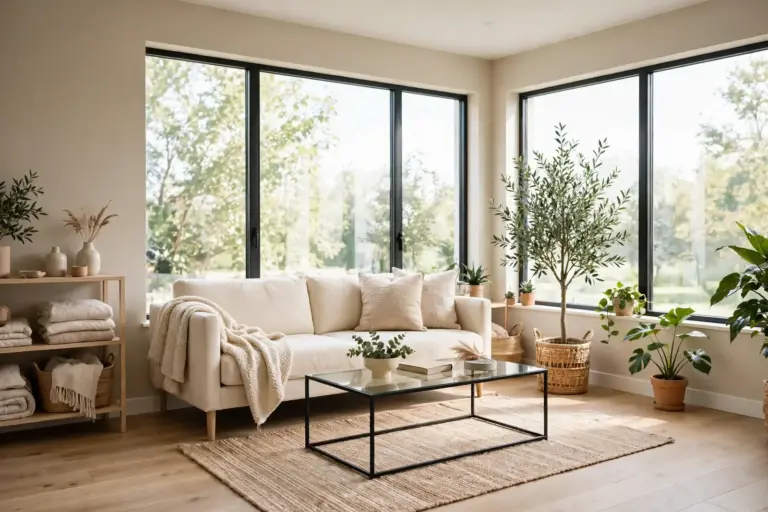
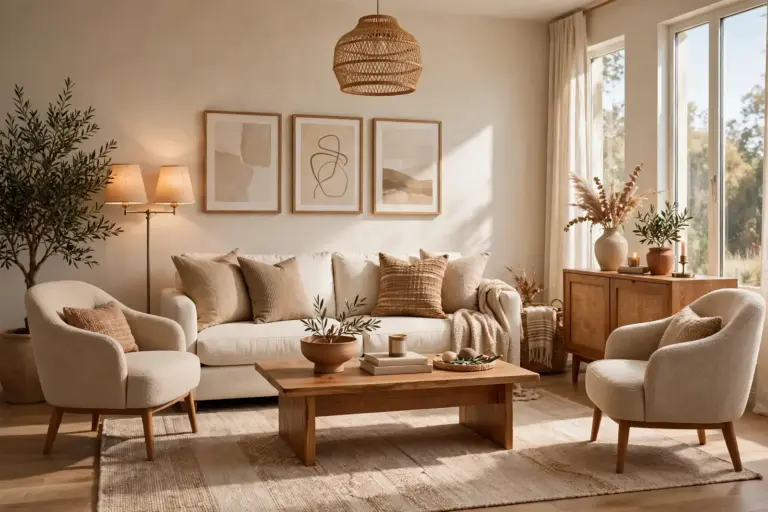
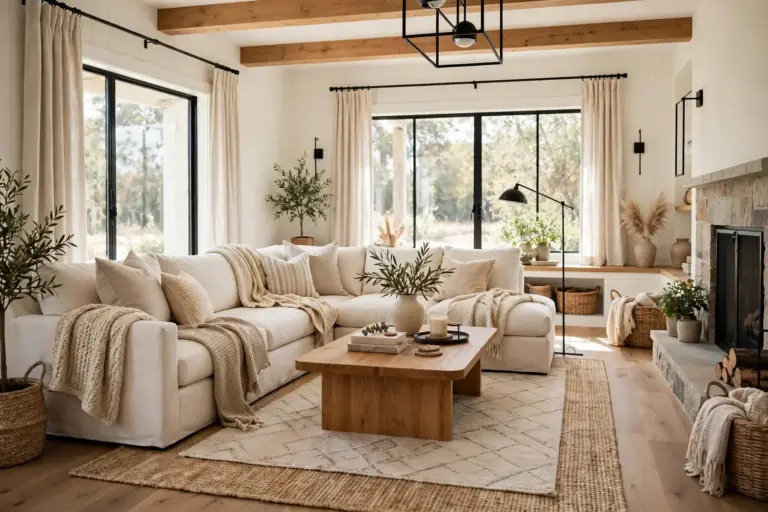
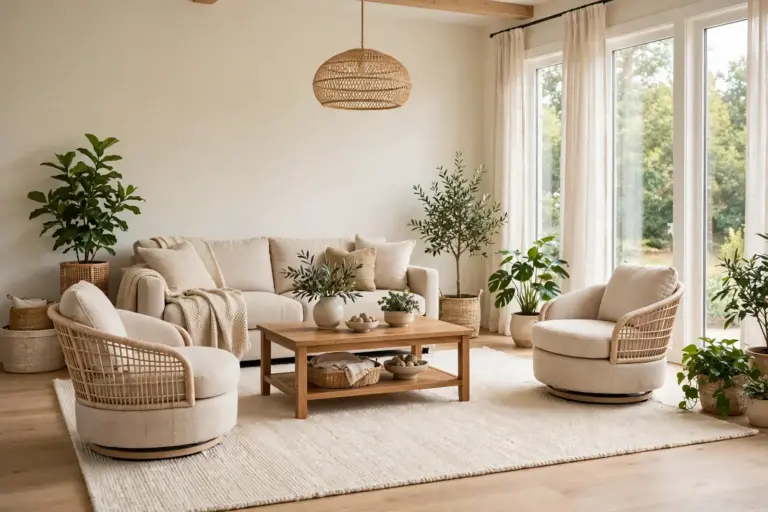
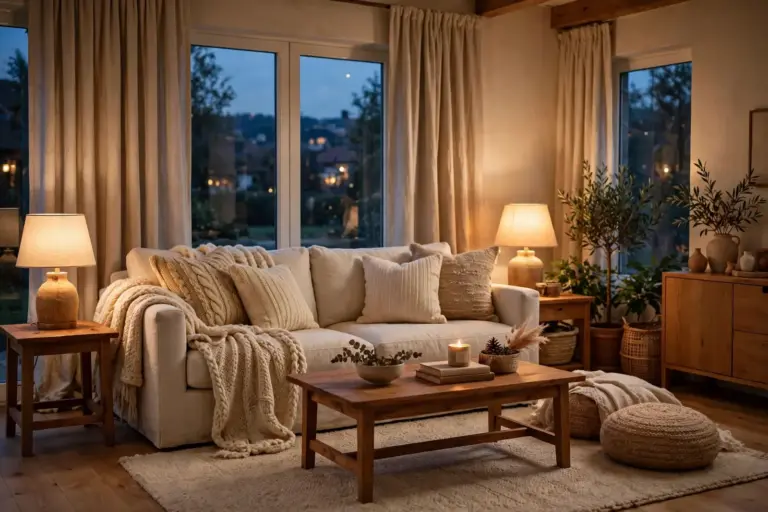
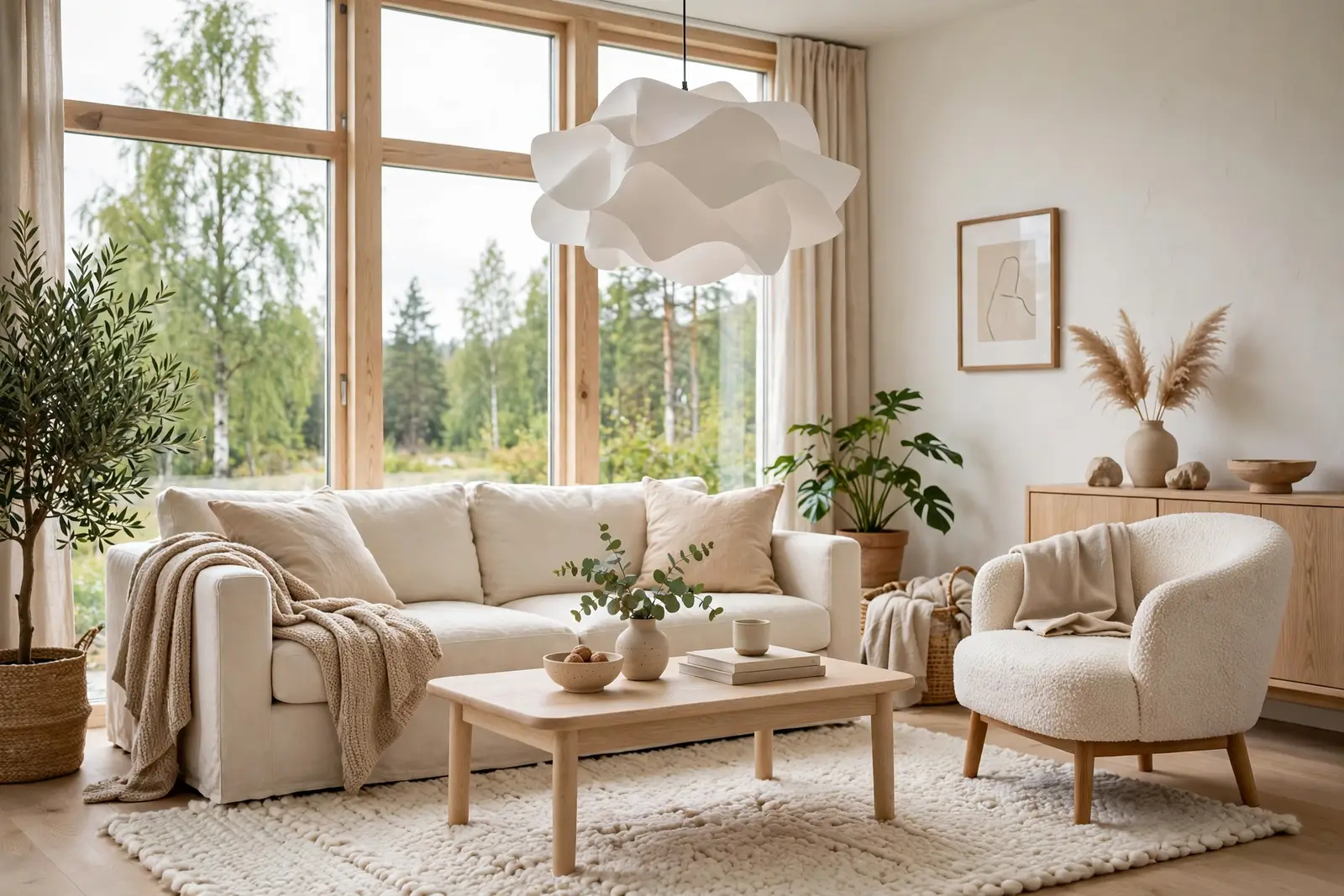
A beautiful Scandinavian living room doesn’t need expensive furniture, complicated styling, or a complete home makeover. Sometimes, a few thoughtful changes are all it takes to make your space feel lighter, warmer, and more inviting.
The secret behind Nordic-inspired interiors is their balance of simplicity, natural materials, comfortable textures, and practical design. Whether you’re decorating a small apartment, refreshing a rental, or furnishing your first home, these ideas will help you create a room that feels calm without looking empty. From pale wood furniture and cozy textiles to soft colors and clever layouts, here are 23 inspiring ways to bring Scandinavian style into your everyday living space.
1. Pale Oak Foundations
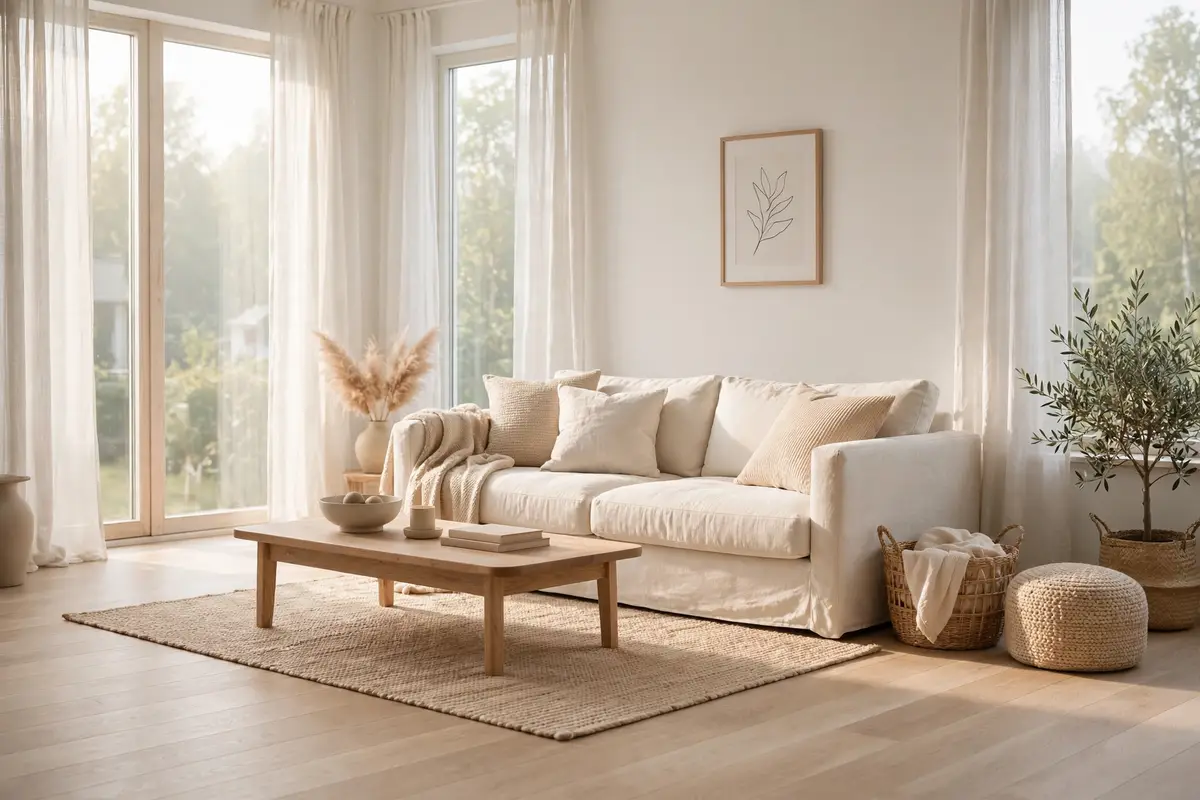
Pale oak furniture instantly makes a living space feel brighter without making it look cold. Its natural grain adds just enough detail to simple surroundings, giving the room warmth while keeping the overall appearance clean.
Start with a light wood coffee table, sideboard, or open shelving. Pair these pieces with white walls and a soft neutral sofa. If replacing your flooring isn’t possible, a large natural-toned rug can help create a similar foundation.
Keep decorative accessories simple. A ceramic vase, a small stack of books, and one leafy plant are enough to make the arrangement feel finished. The beauty comes from allowing natural materials to stand out.
2. Cozy Wool Layers
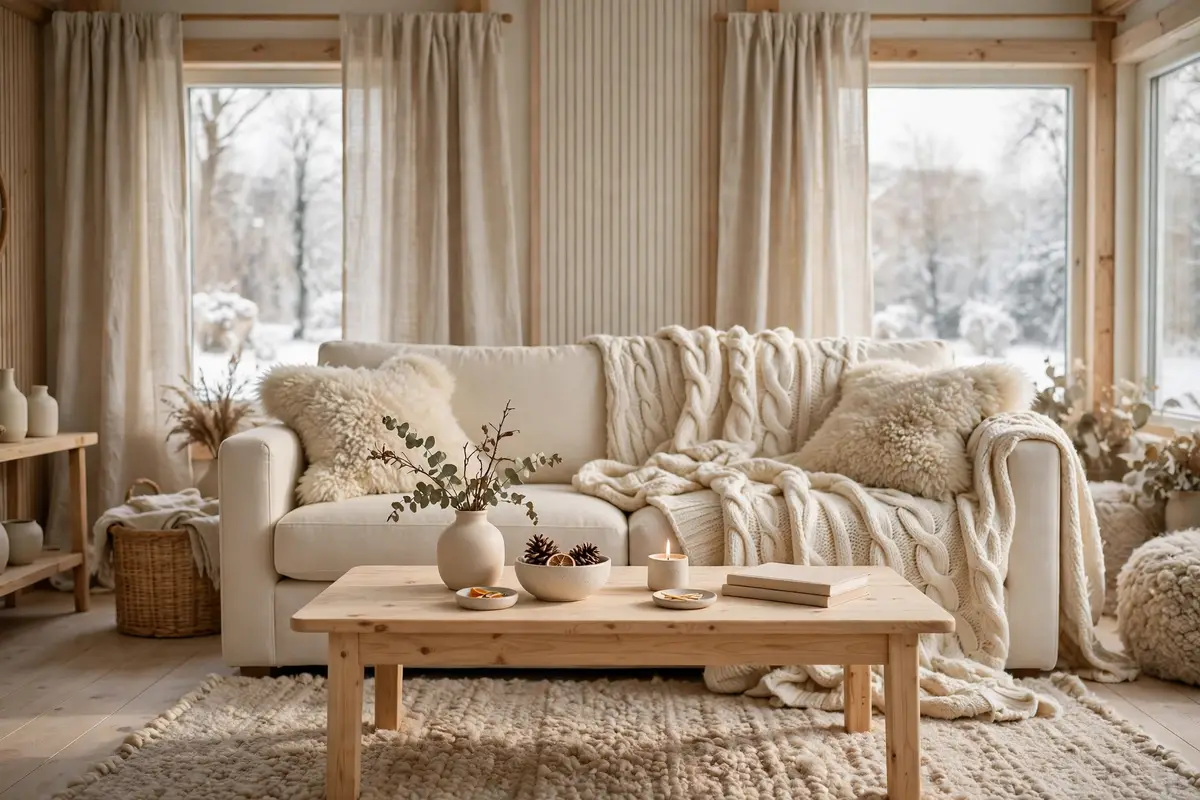
- Start with a wool throw. Drape a chunky knitted blanket over one corner of the sofa for instant texture.
- Mix cushion materials. Combine linen, boucle, wool, and cotton in similar neutral shades.
- Add a sheepskin accent. Place a small sheepskin over an occasional chair or wooden bench.
- Choose a textured rug. A thick wool rug makes hard flooring feel warmer underfoot.
- Keep colors connected. Stick with cream, oatmeal, warm gray, and soft beige.
Layering comfortable fabrics makes a simple room feel much more inviting. I’ve noticed that mixing different textures in nearly identical shades creates more visual interest than introducing lots of unrelated colors. The result feels relaxed, especially during colder months, while remaining light enough for everyday living.
3. Matte Black Accents
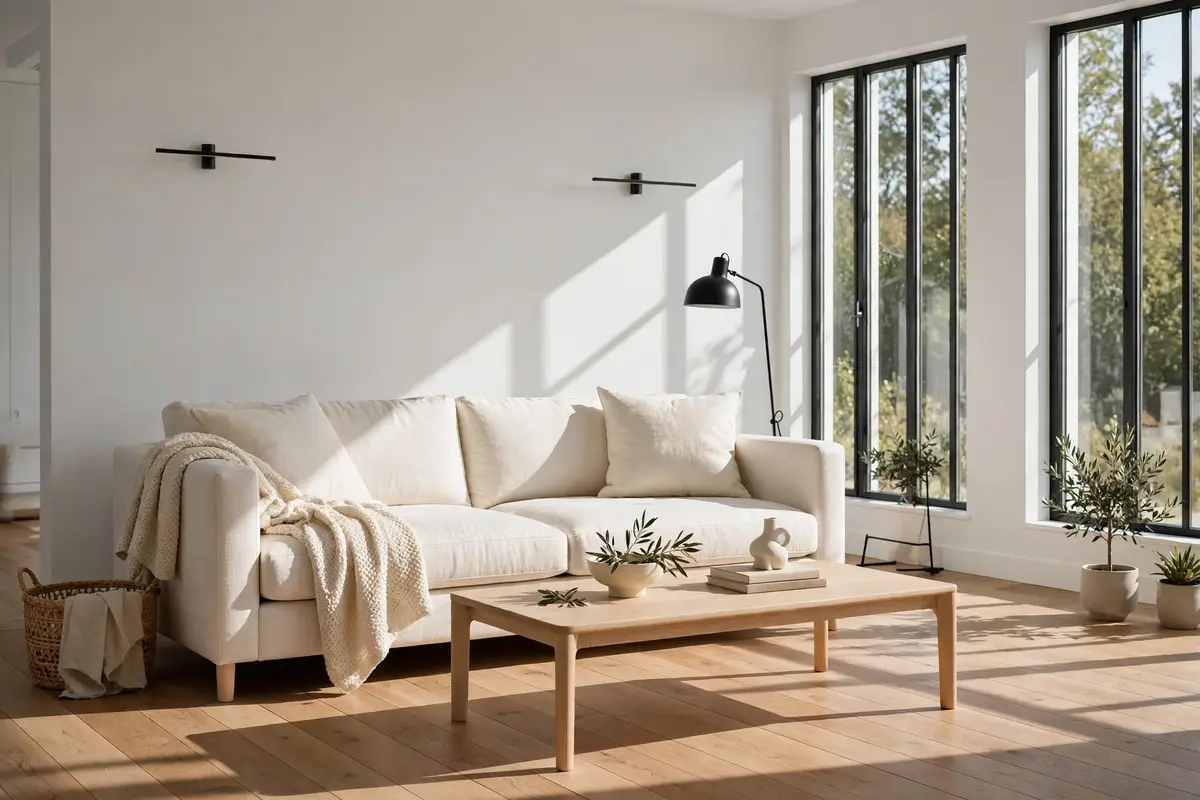
Quick Tip:
Use black as a small finishing detail rather than a dominant color. Choose two or three accents, such as a slim floor lamp, picture frames, or cabinet handles, and repeat them around the room.
A little contrast gives pale interiors definition without making them feel heavy. Matte finishes are especially useful because they look softer than glossy black surfaces. Keep larger furniture pieces light, and let the darker details draw attention to architectural features and carefully chosen accessories.
4. Soft Beige Comfort
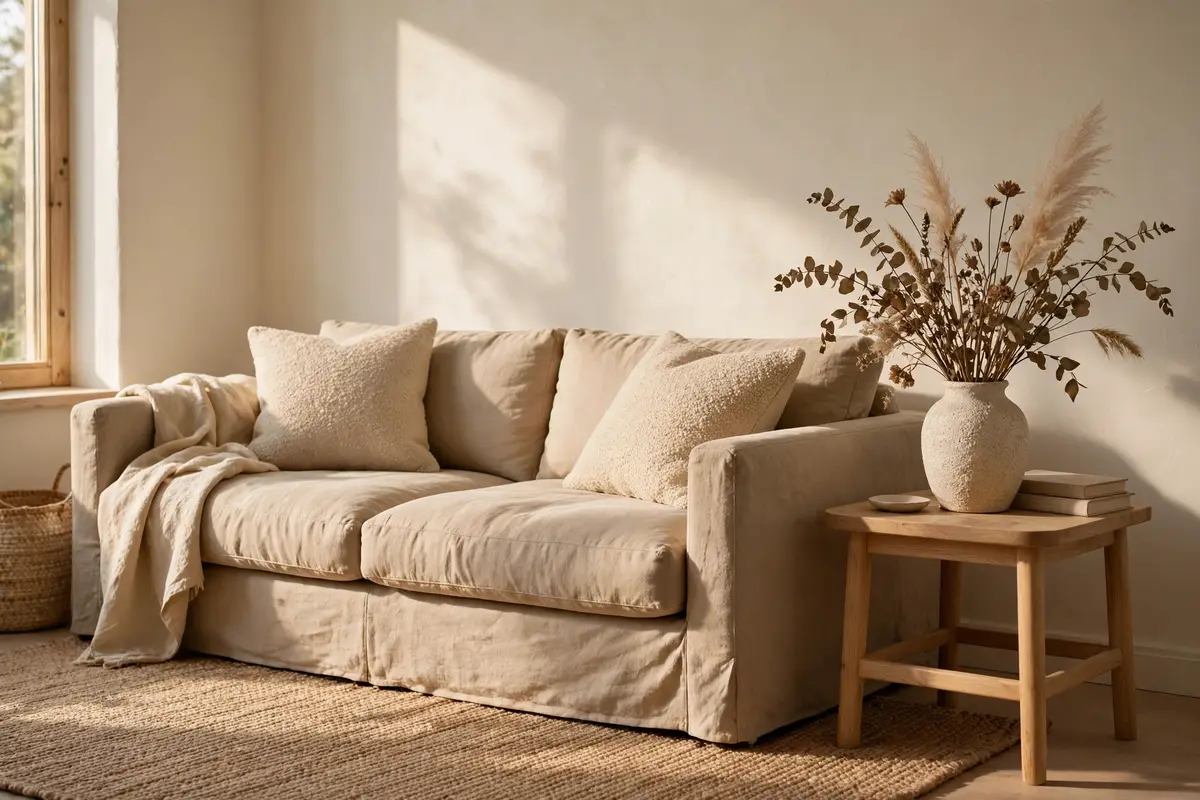
BEFORE: A neutral living room can feel flat when every surface has the same smooth finish. A plain beige sofa against white walls may look unfinished rather than cozy.
AFTER: Introduce a jute rug, linen cushions, a textured ceramic vase, and warm wood furniture. The different materials create subtle layers without changing the calm color palette.
Keep the furniture arrangement practical, with enough room to move around comfortably. A few natural imperfections, such as visible wood grain or loosely arranged textiles, make the finished room feel more welcoming and less like a showroom.
5. Geometric Rug Patterns
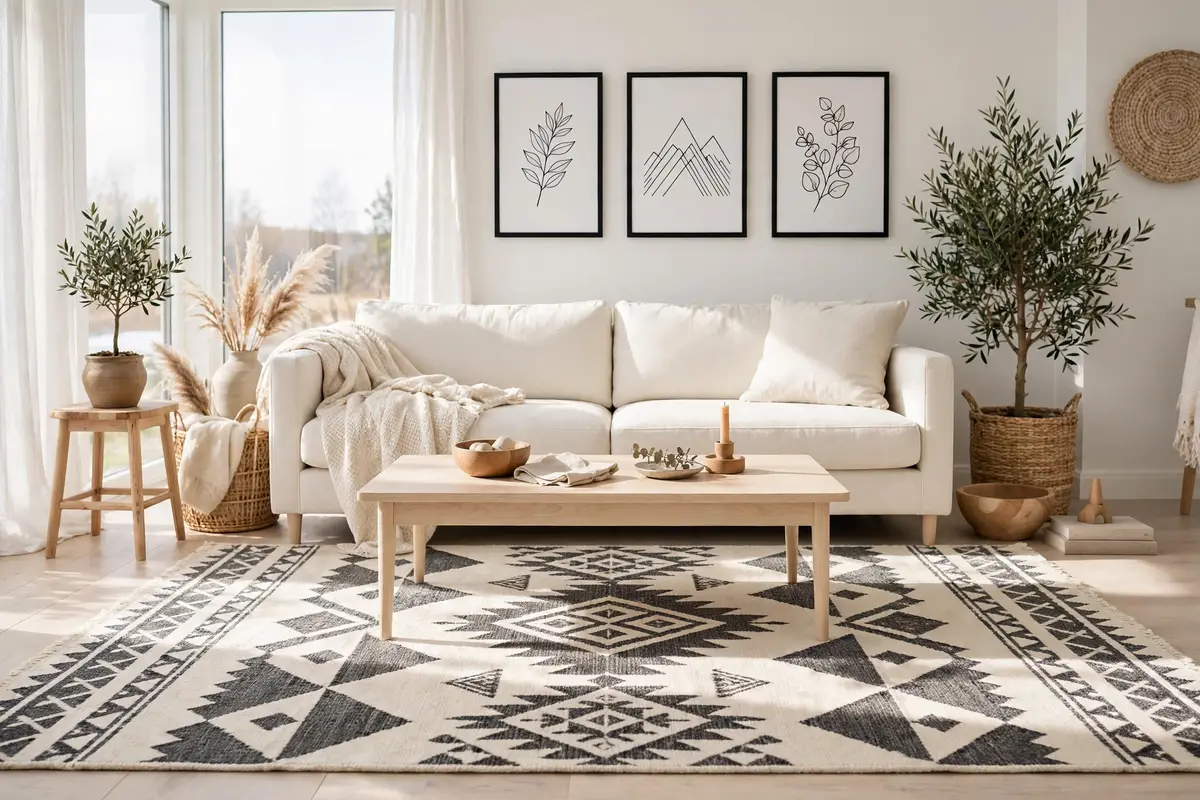
- Choose a simple pattern. Look for thin lines, diamonds, squares, or understated repeating shapes.
- Limit the colors. Black and cream, beige and ivory, or gray and white work particularly well.
- Check the proportions. Select a rug large enough to sit beneath the front legs of your sofa.
- Repeat one shade. Bring a rug color into a cushion, artwork, or small decorative object.
A patterned rug is an easy way to introduce personality without filling the walls with decorations. For smaller rooms, choose a low-contrast design that adds detail while allowing the furniture and natural materials to remain the main focus.
6. Quiet Luxury Details
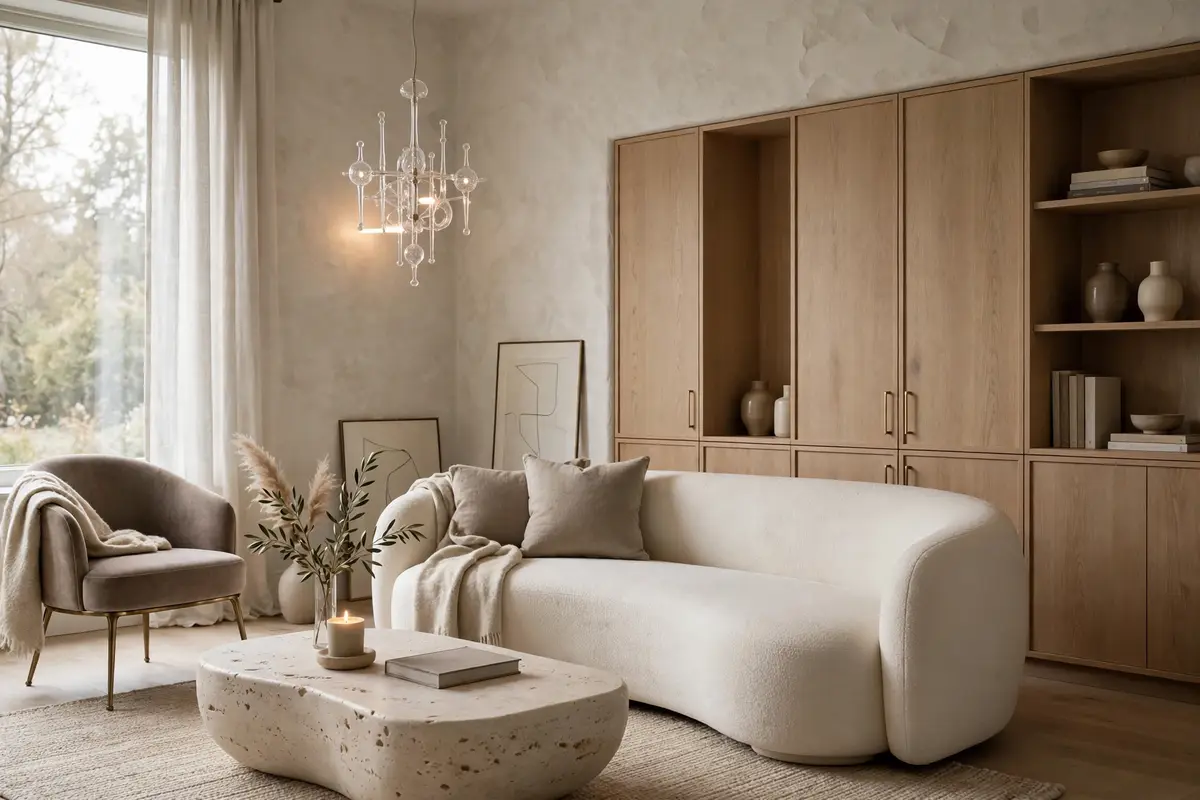
Option A: Soft and Relaxed
- Furniture: Linen sofa with rounded edges.
- Lighting: Simple paper pendant.
- Accessories: Handmade pottery and natural wood.
- Overall feel: Casual, warm, and comfortable.
Option B: Refined and Elegant
- Furniture: Tailored sofa with a velvet accent chair.
- Lighting: Sculptural chandelier.
- Accessories: Stone objects and delicate glass details.
- Overall feel: Polished, subtle, and sophisticated.
Both approaches can work beautifully in a Nordic-inspired home. The important part is choosing quality-looking materials and avoiding unnecessary decoration. A single statement light or elegant accent chair can provide enough visual interest without making the room feel overly formal.
7. Colorful Cushion Mix
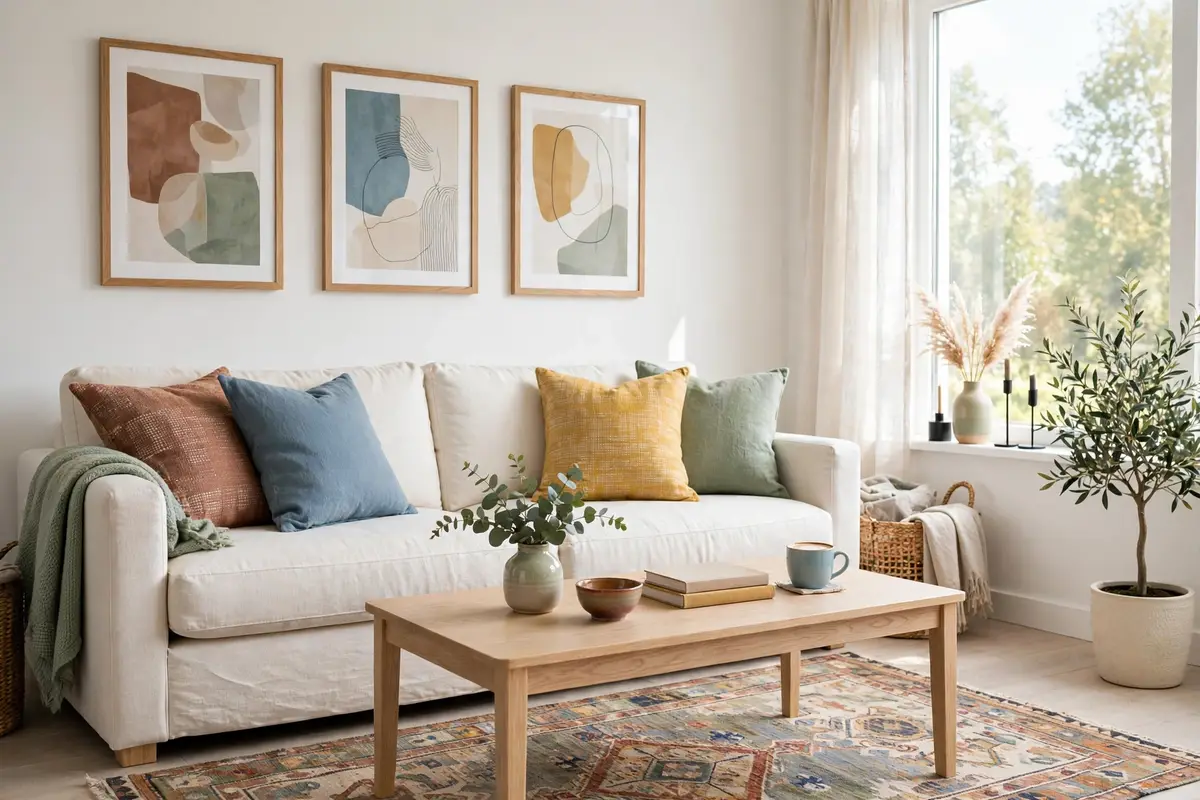
DO:
- Mix two or three muted accent colors.
- Combine solid cushions with subtle patterns.
- Repeat one cushion color in nearby artwork.
- Keep the sofa and larger furniture pieces neutral.
DON’T:
- Use too many unrelated bright colors.
- Cover every seat with decorative cushions.
- Mix several competing large-scale patterns.
- Forget to leave some plain surfaces.
Colorful textiles bring personality to a simple interior without requiring permanent changes. In my experience, cushions are among the easiest things to update when your preferences change. Start with two accent shades, then add a third only if the arrangement still feels balanced.
8. Arctic White Layers
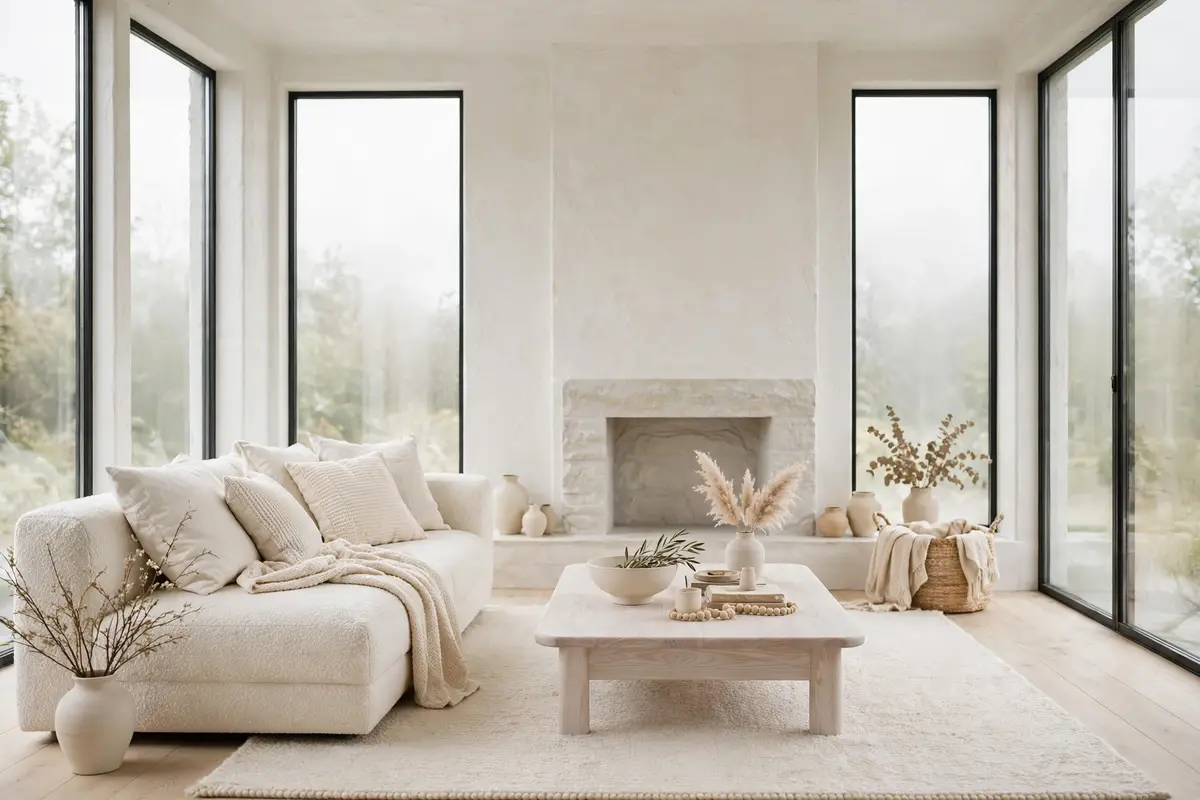
Cost: Moderate, depending on textiles and furniture.
Time: One afternoon for basic styling.
Skill Level: Beginner-friendly.
Best For: Small rooms and spaces with limited natural light.
White-on-white decorating works best when the materials have different textures. Combine a smooth cotton sofa with a fluffy rug, woven cushions, and a matte ceramic vase. These small differences prevent the room from looking like a blank white box.
For additional inspiration, explore a minimalist living room with simple furniture and thoughtful styling. Both approaches make visual breathing room an important part of the design.
9. Fjord Blue Accents
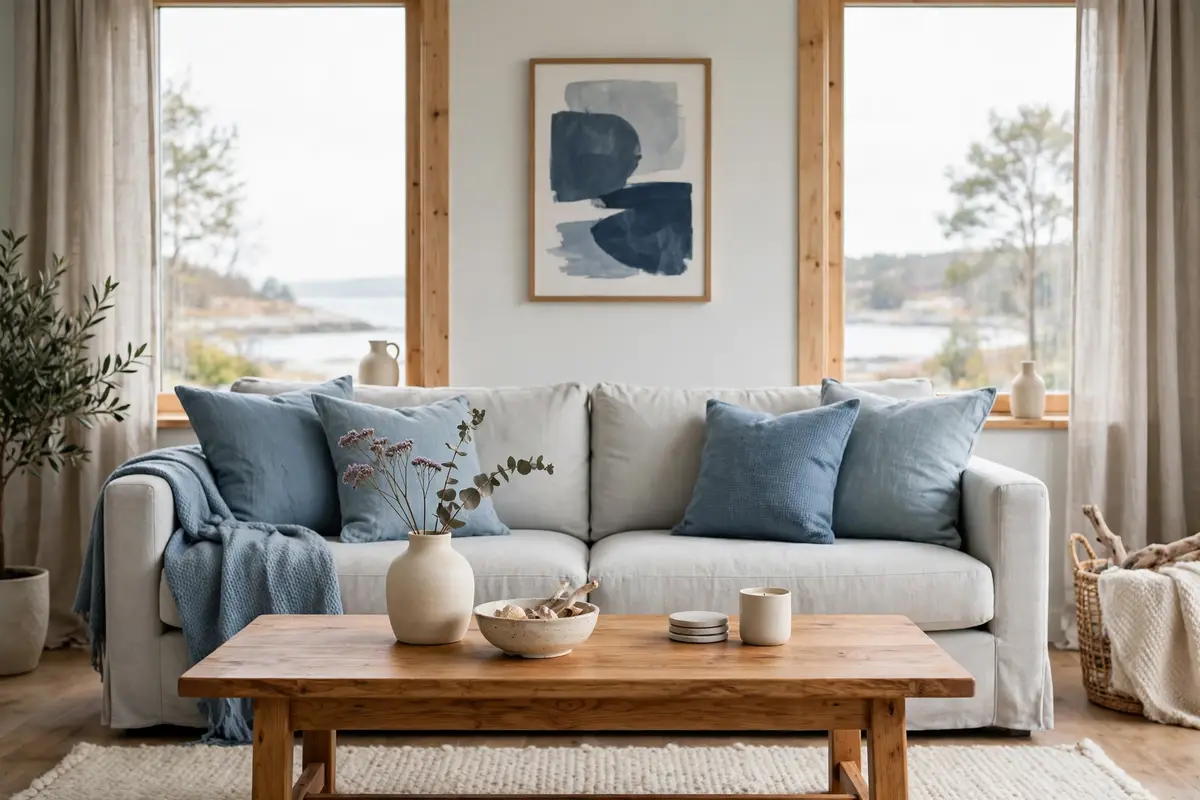
Some colors bring a sense of calm before you even notice the furniture. Muted blue is one of those shades, especially when combined with pale timber and warm neutrals.
Use dusty blue or soft slate on cushions, artwork, or a single upholstered chair. Keep the surrounding walls and larger furniture pieces light. Honey-colored wood is particularly useful because its warmth balances cooler shades.
Avoid introducing too many different blues. Choose one main tone and repeat it in small places throughout the room. This creates a connected appearance without making the color feel overwhelming.
10. Classic Teak Furniture
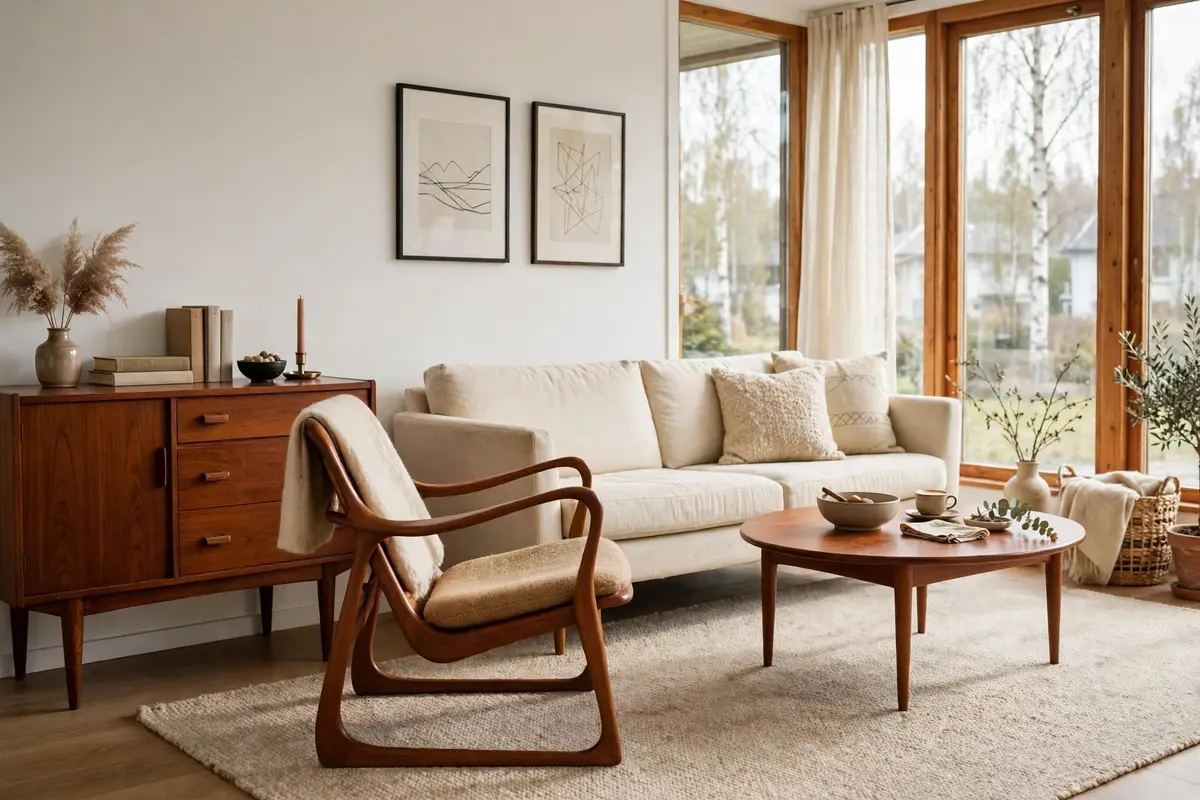
- Find a teak sideboard. A vintage or secondhand piece can become a beautiful focal point.
- Choose simple furniture shapes. Look for tapered legs, rounded edges, and clean silhouettes.
- Balance the warm wood. Add cream upholstery and light-colored walls.
- Include one classic chair. A sculptural wooden accent chair adds character.
- Keep the top surface simple. Style the sideboard with a lamp, books, and one ceramic object.
Teak furniture brings a slightly richer look to an otherwise pale interior. It works particularly well in homes where you want some vintage character without giving up a clean, modern appearance. Mixing one older wooden piece with newer neutral furniture also keeps the room from feeling too coordinated.
11. Relaxed Linen Seating
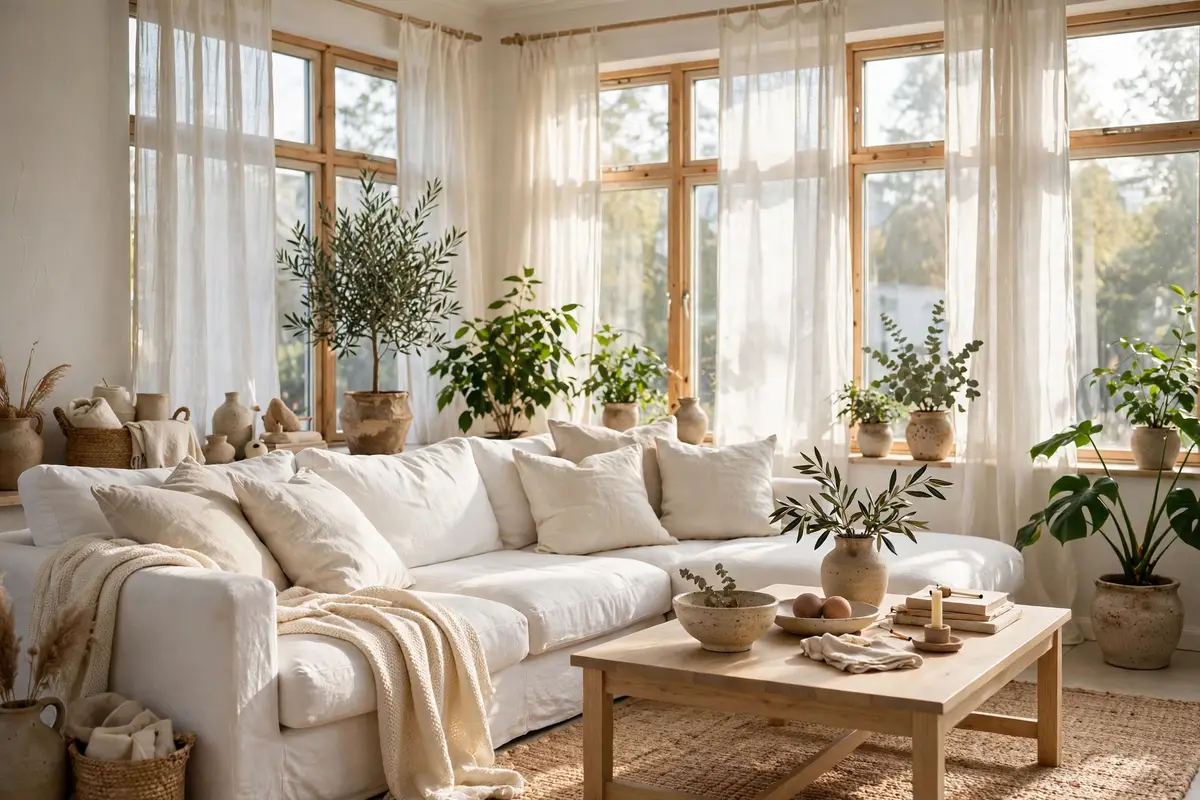
Quick Tip:
Choose linen upholstery with a slightly relaxed appearance rather than an overly stiff finish. A slipcovered sofa is especially useful because its covers can often be removed for cleaning or seasonal refreshing.
Comfort should guide the seating arrangement. Leave enough space for people to stretch out, add a practical side table within easy reach, and keep frequently used blankets nearby. A large sofa doesn’t need lots of accessories to feel inviting. Its shape, natural fabric, and thoughtful placement can do most of the work.
12. Sheer Window Treatments
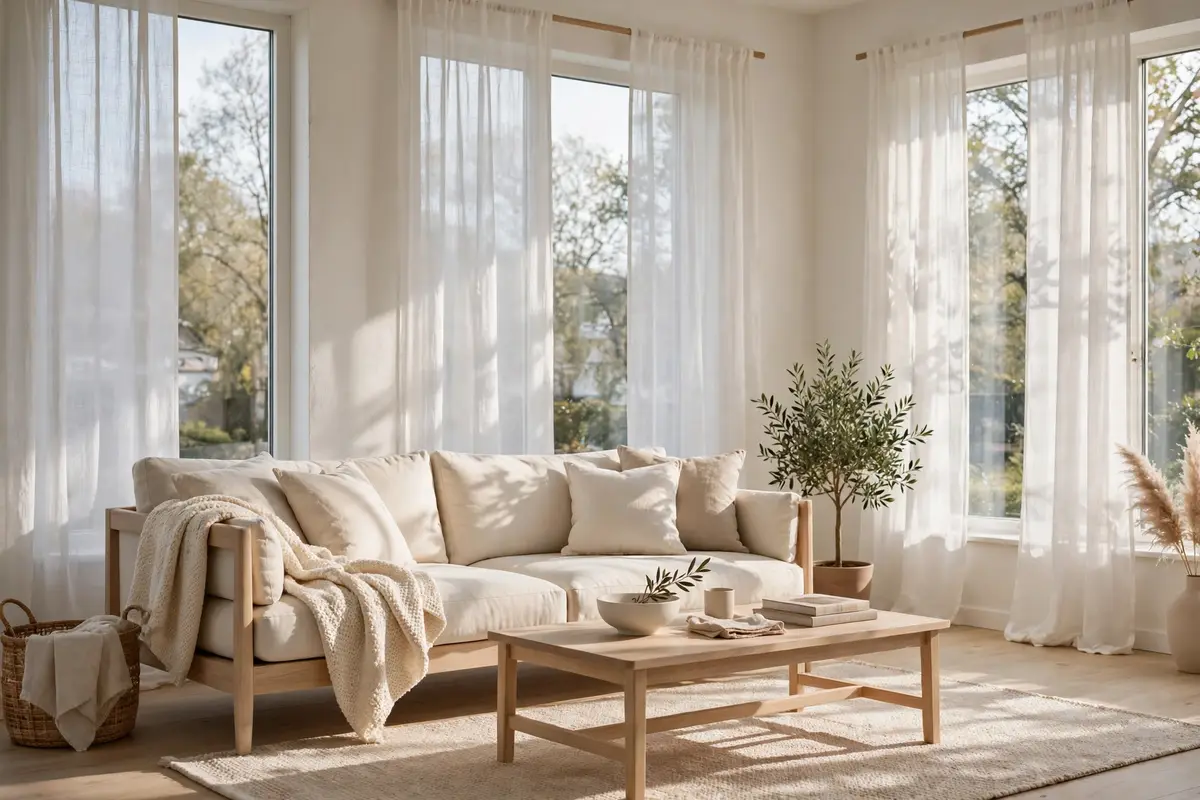
BEFORE: Heavy curtains can block valuable daylight, especially in smaller apartments or rooms with limited windows. Dark window treatments may also make pale furniture feel less connected to the rest of the space.
AFTER: Replace them with lightweight linen or voile curtains in white, ivory, or warm cream. Hang the curtain rod slightly above the window frame to create a taller appearance.
Choose curtain panels long enough to reach the floor without bunching excessively. If privacy is important, consider adjustable blinds underneath the sheer fabric so you can control visibility without losing the soft daytime light.
13. Coastal Nordic Tones
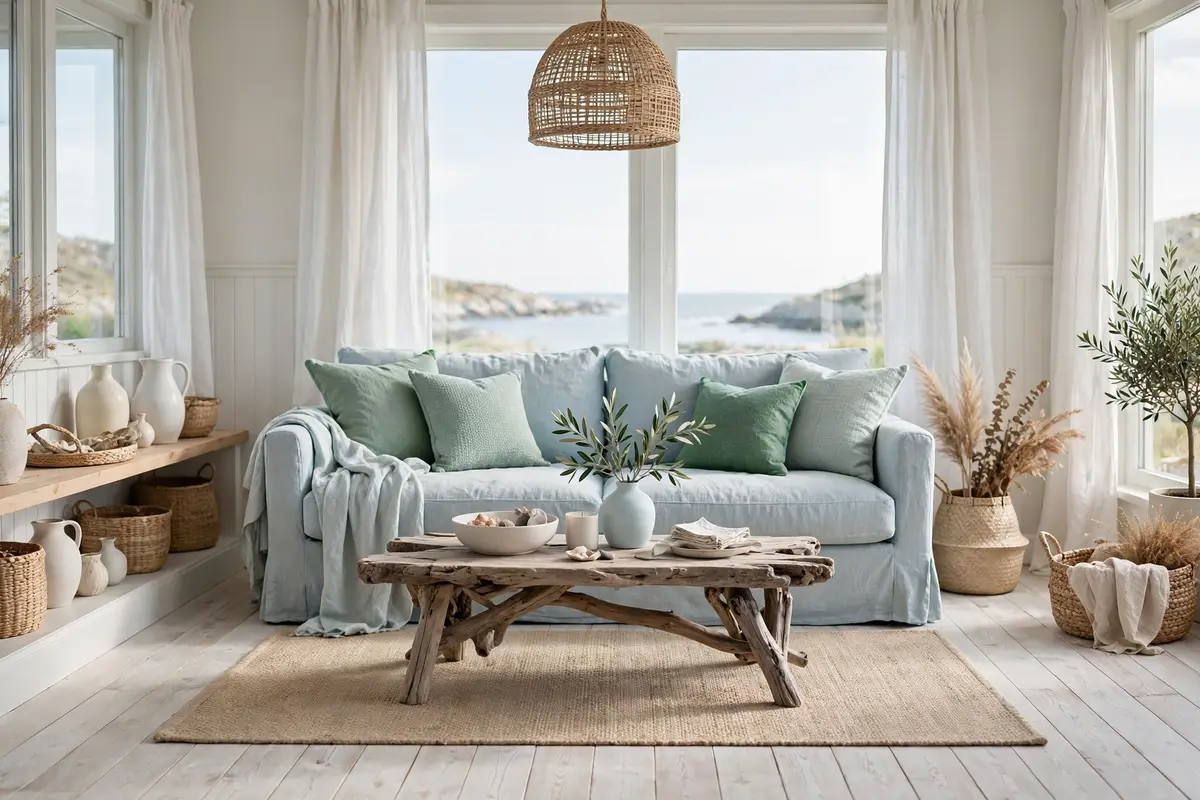
- Start with warm white walls. They provide a clean background for coastal colors.
- Add sea-glass shades. Choose pale blue or muted green cushions and artwork.
- Bring in natural wood. A light oak coffee table adds warmth.
- Layer woven materials. Use jute, rattan, or seagrass in small amounts.
- Keep decorations restrained. A few coastal-inspired objects are enough.
The best coastal interiors suggest the seaside through color and texture rather than obvious nautical decorations. Instead of filling shelves with shells and anchors, use soft blues, natural fibers, and weathered wood. The result feels fresh throughout the year, not just during summer.
14. Japandi Balance
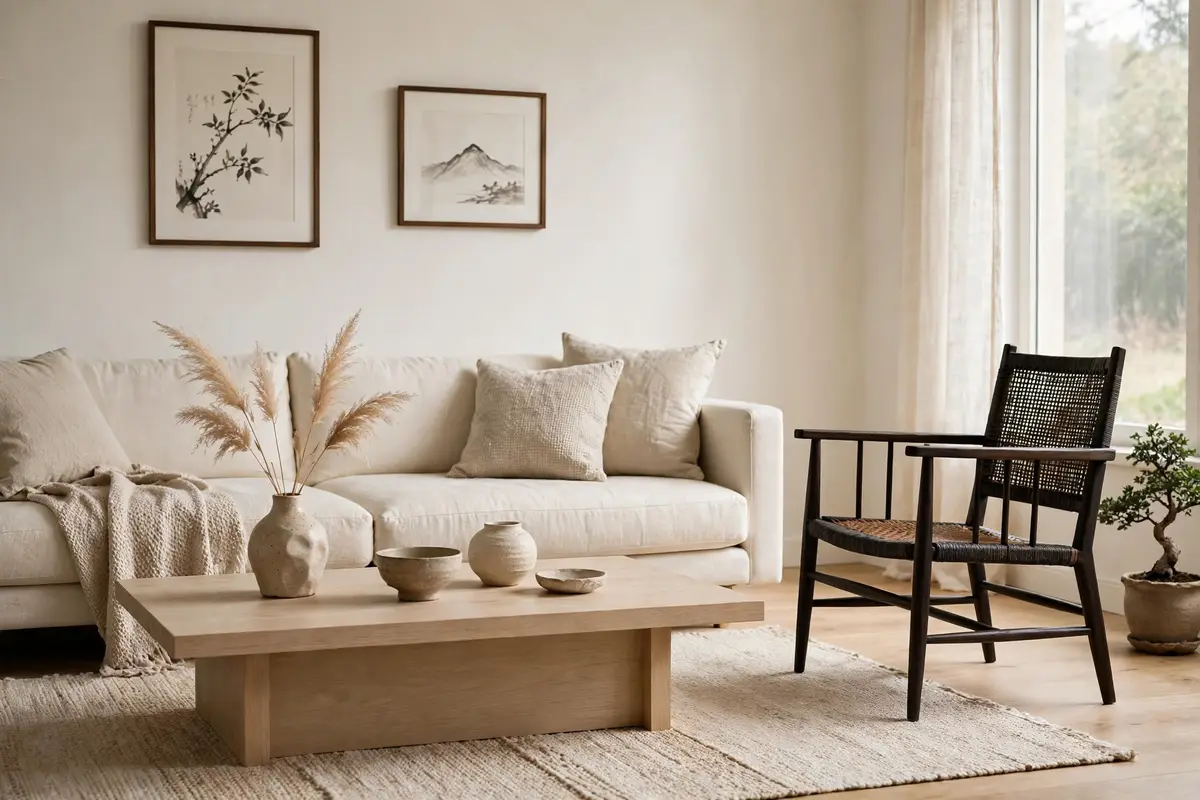
Option A: Scandinavian Influence
- Light oak furniture.
- Soft cream and white textiles.
- Cozy wool throws.
- Bright, open arrangements.
Option B: Japanese Influence
- Lower furniture profiles.
- Darker natural wood.
- Minimal decorative objects.
- Stronger emphasis on empty space.
A balanced combination gives you the warmth of Nordic decorating with the restraint of Japanese interiors. Choose a few low-profile furniture pieces, mix light and darker wood, and leave plenty of room around your accessories. Avoid filling every empty corner just because it seems unfinished.
15. Pastel Nordic Softness
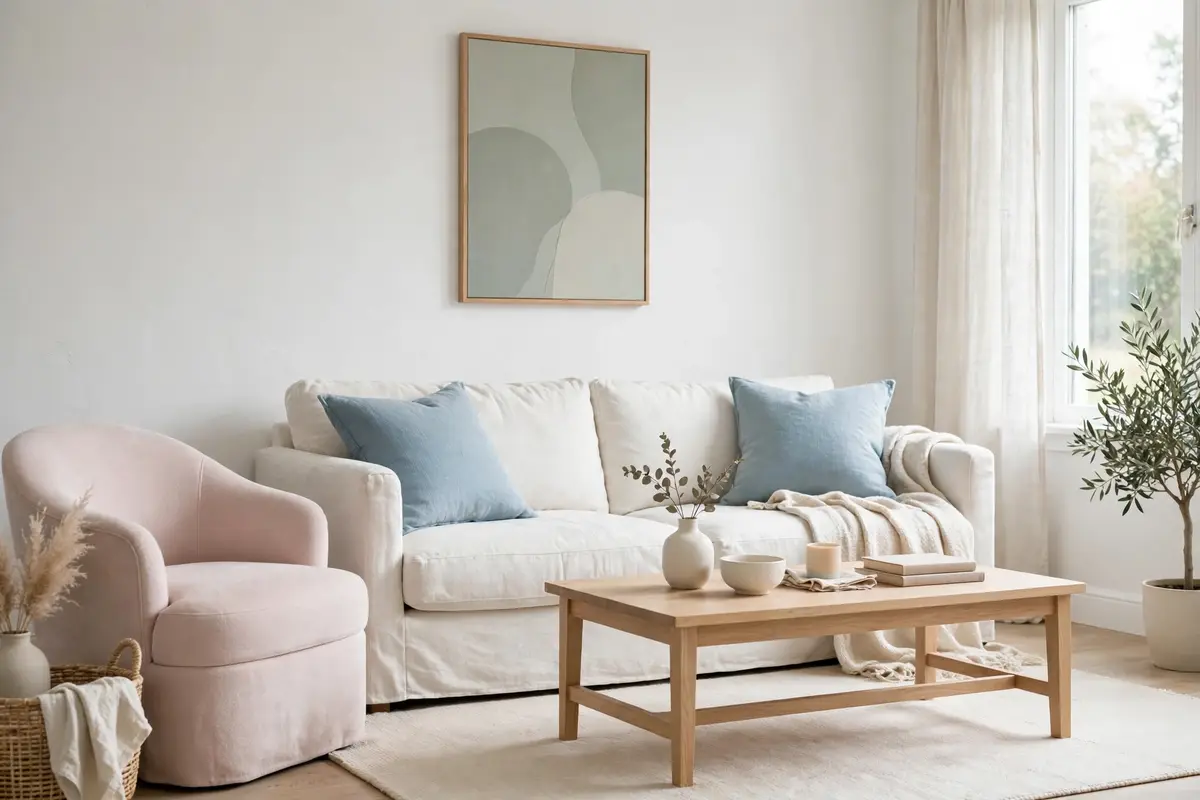
DO:
- Choose dusty pink, powder blue, or pale sage.
- Pair pastel accessories with warm white backgrounds.
- Keep larger furniture pieces neutral.
- Repeat a pastel shade in two or three places.
DON’T:
- Combine too many sugary shades.
- Introduce several bold patterns.
- Use glossy finishes everywhere.
- Overdecorate shelves and tables.
Pastels can make a simple living area feel cheerful while keeping its overall appearance peaceful. For a slightly sharper look, mix these gentle colors with darker wood or black accents. You can also explore a modern living room for additional ideas on combining contemporary furniture with softer decorative details.
16. Warm Wood Walls
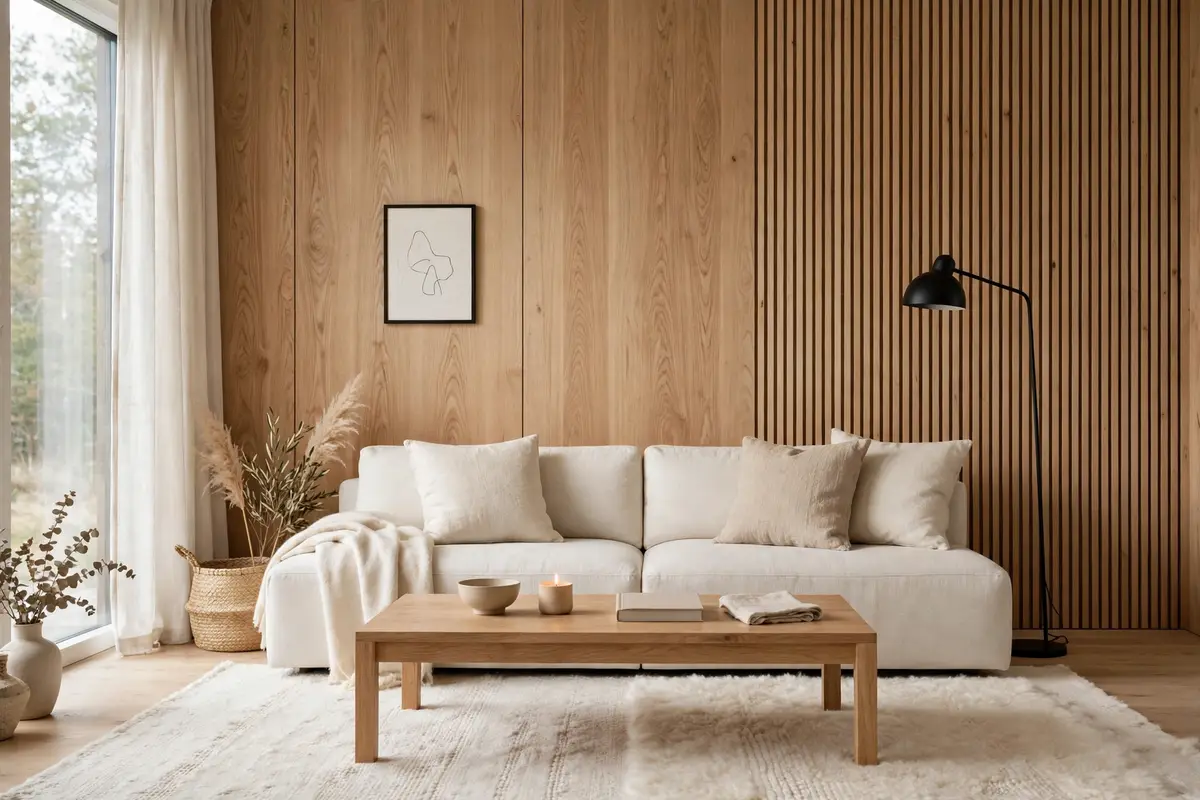
Cost: Moderate to high, depending on the paneling material.
Time: One weekend for a small feature wall, depending on preparation.
Skill Level: Beginner to intermediate.
Best For: Plain walls that need warmth and architectural detail.
Wood paneling introduces texture without relying on decorative accessories. For a subtle look, choose narrow vertical slats or pale oak panels behind the sofa. Renters can achieve a similar effect with removable wood-look panels or a freestanding wooden screen.
Avoid covering every wall in timber. A single feature wall gives the room character while allowing the other surfaces to remain light and simple.
17. Reading Corner Nook
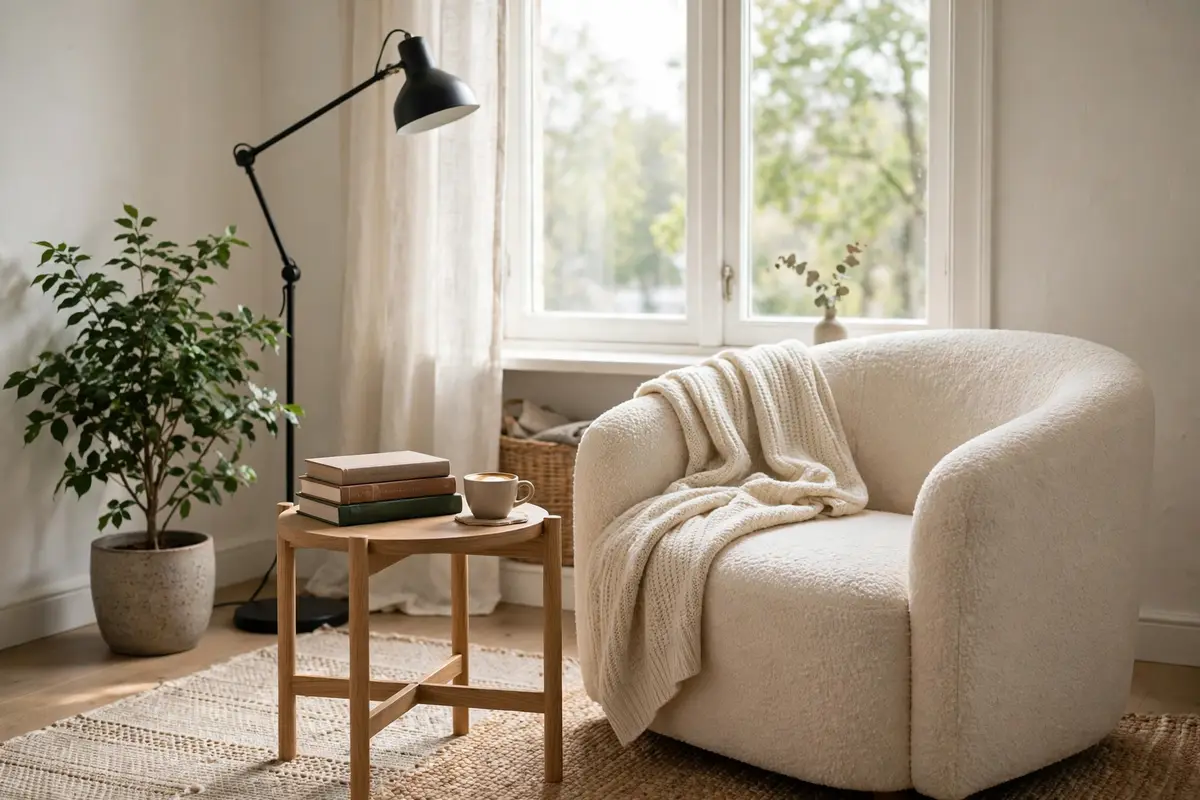
A quiet reading corner makes a living room feel more personal and useful. Rather than leaving an empty corner untouched, give it a clear purpose with comfortable seating and practical lighting.
Choose an armchair that fits the available floor space. A small round side table provides somewhere to place a cup or book, while an adjustable floor lamp makes evening reading more comfortable.
I’ve found that a single comfortable chair can change how a room gets used. It creates a separate place to relax without needing another large furniture arrangement.
18. Open Space Layouts
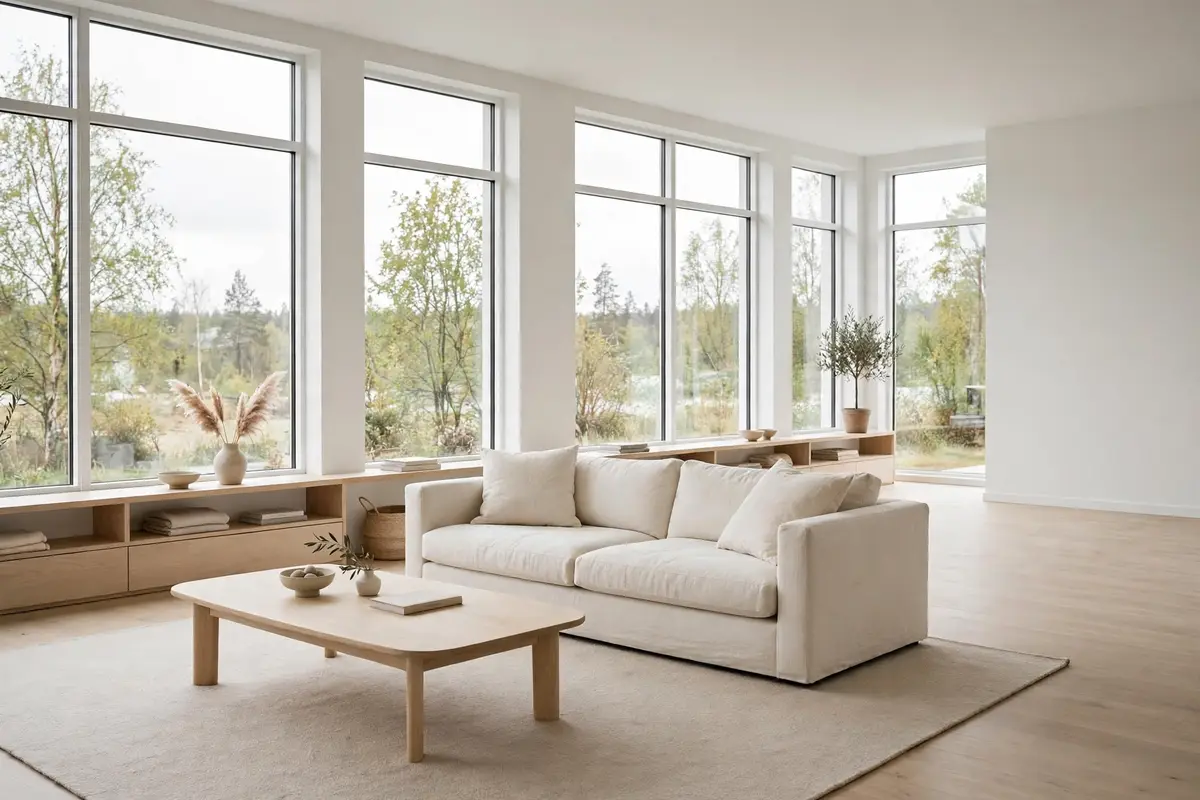
- Float the sofa. Move it slightly away from the wall when the room allows.
- Define the seating zone. Use a large rug to visually connect the main furniture.
- Keep pathways clear. Leave comfortable space between furniture pieces.
- Choose low-profile storage. A simple sideboard keeps visual clutter under control.
- Edit decorative objects. Display only items you genuinely enjoy.
An open arrangement helps even a modest room feel more comfortable. The aim isn’t to leave every surface empty, but to give each piece enough space to be appreciated. Before buying new furniture, experiment with your existing layout. Sometimes moving the sofa or removing one unnecessary chair is all you need.
19. Mirror Light Trick
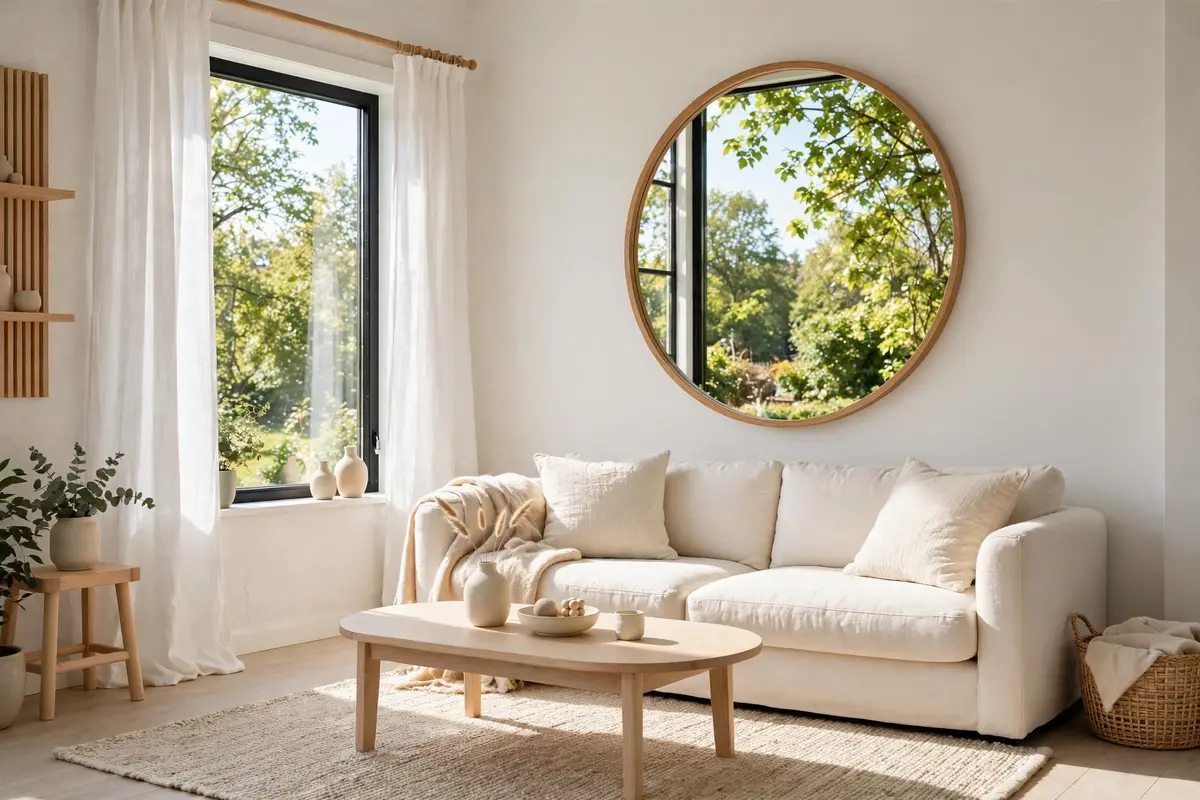
Quick Tip:
Position a large mirror where it reflects a window, a bright wall, or an attractive view. This helps distribute existing daylight visually and makes the room feel more open.
Choose a simple round, oval, or rectangular mirror with a slim wooden or black frame. Check the reflection before hanging it so you aren’t directing attention toward clutter or an unattractive corner. In smaller apartments, a full-length mirror can also add practical value while making the room appear more spacious.
20. Sage And Terracotta
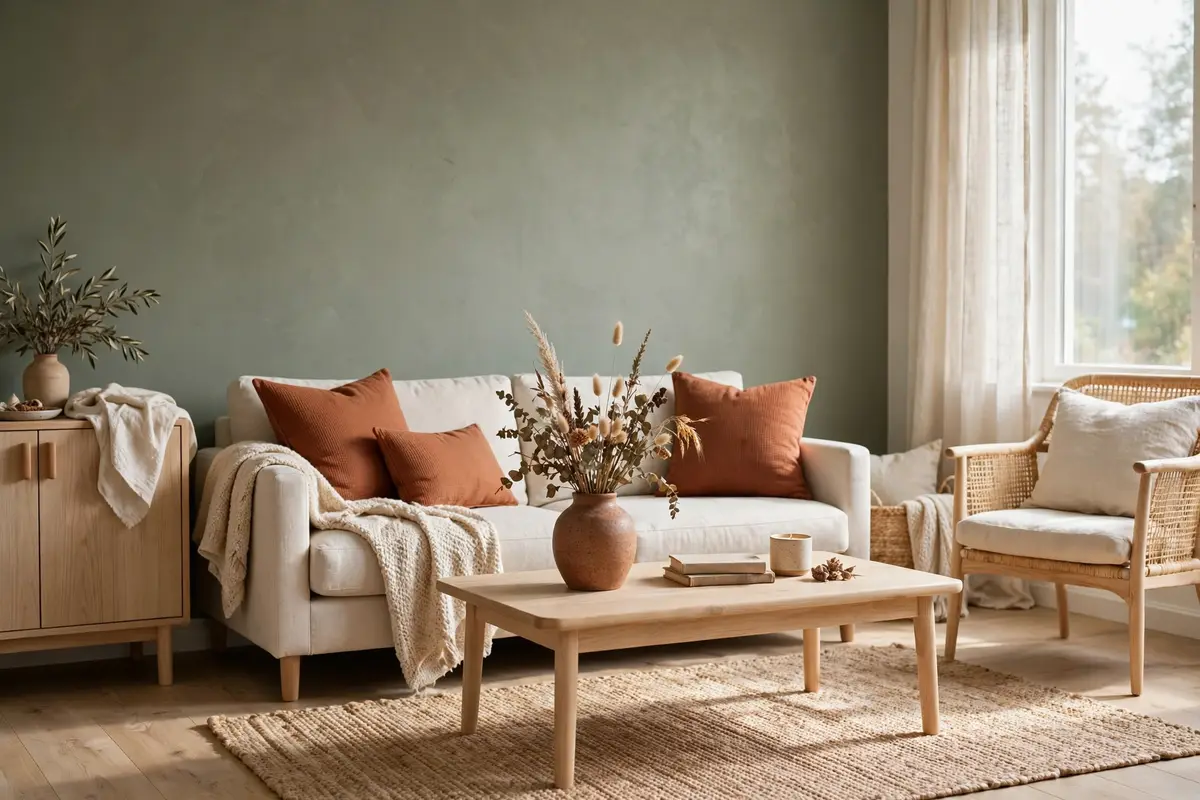
BEFORE: A completely neutral room can start feeling repetitive when the sofa, walls, rug, and accessories all have similar shades.
AFTER: Introduce a muted sage feature wall and a few terracotta accents. Keep the main furniture cream or beige, with pale wood connecting the earthy colors.
Start with cushions and small accessories before committing to paint. If you love the combination, a single painted wall behind the sofa can make the color scheme feel more intentional. The warm and cool shades balance each other without becoming overly dramatic.
21. Paper Pendant Lighting
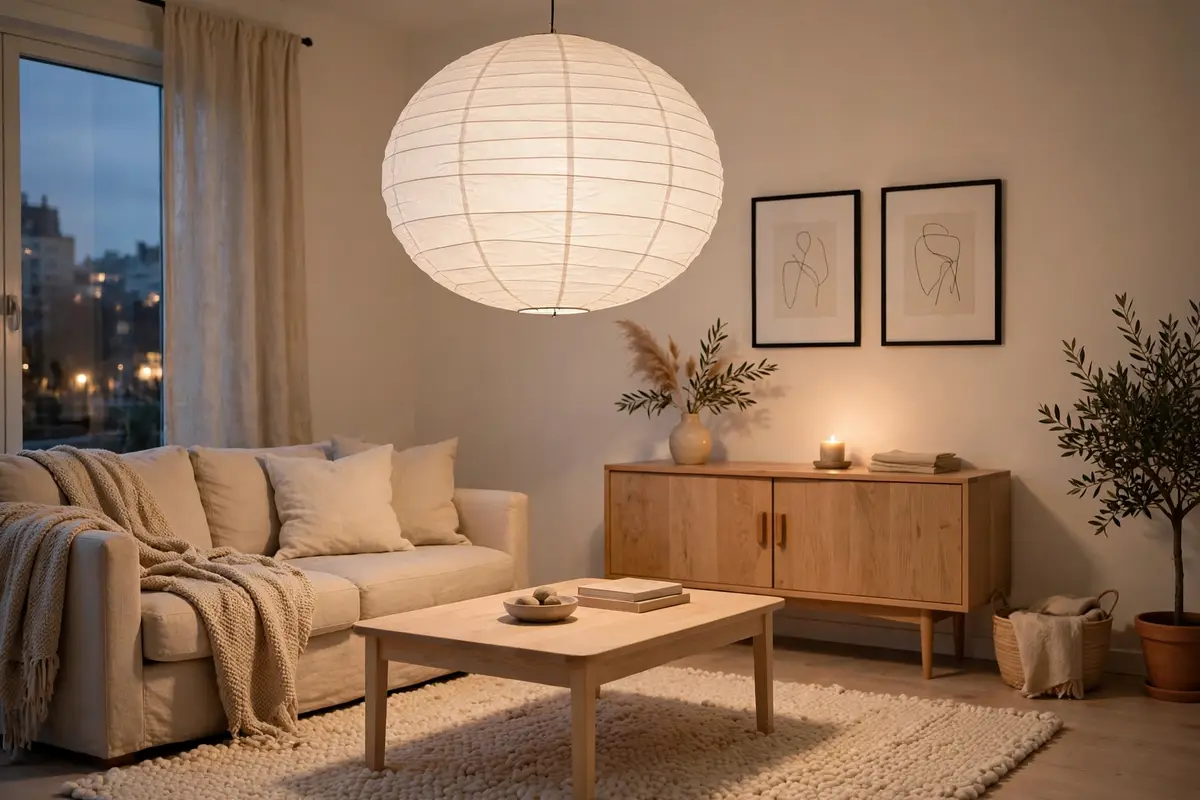
- Choose the right size. Select a pendant that feels proportional to the seating area.
- Look for a soft shape. Round, oval, and sculptural paper designs work beautifully.
- Use warm lighting. Choose a warm white bulb for a welcoming evening glow.
- Check the hanging height. Keep the pendant clear of sightlines and comfortable for the room.
A paper pendant can become the main decorative feature without introducing bold colors or complicated details. Its lightweight appearance works especially well above a coffee table or in the center of a seating arrangement. Pair it with smaller lamps so the room still feels comfortable when the overhead light is switched off.
22. Boucle Chair Pair
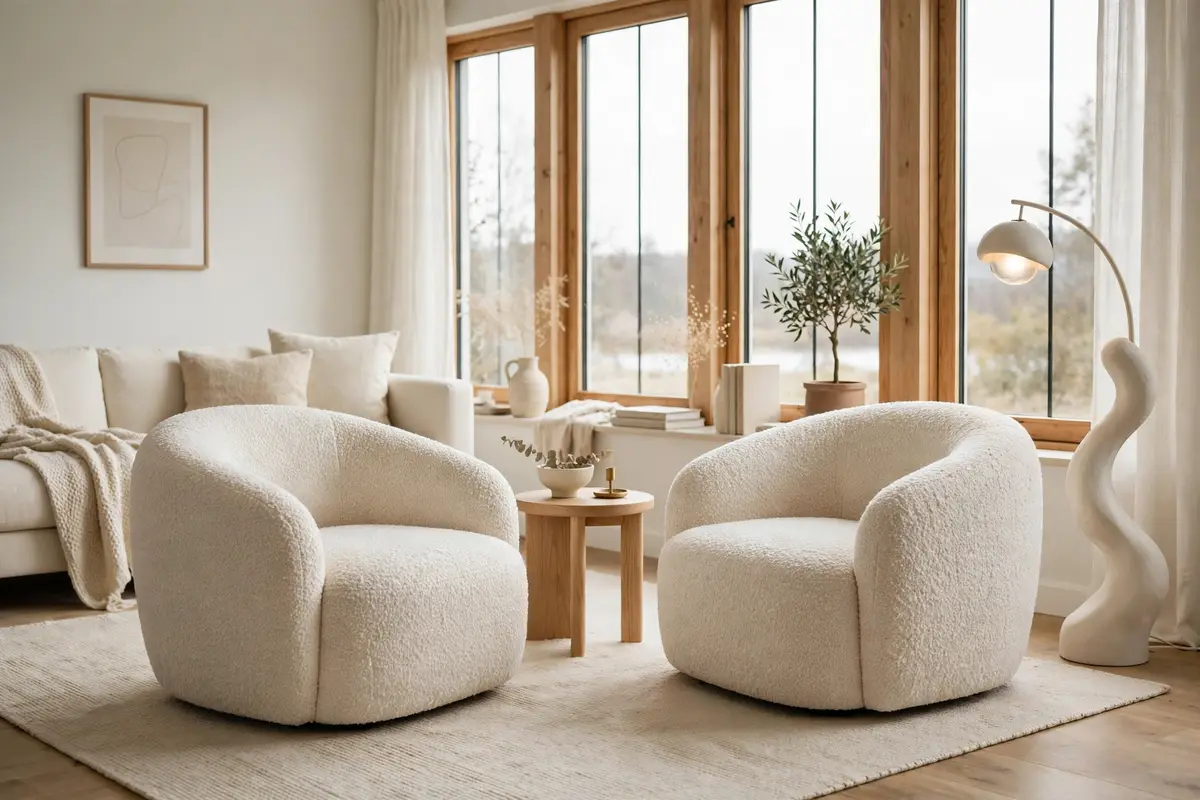
Option A: Matching Chairs
Choose two identical boucle chairs in cream or ivory. This creates a balanced seating arrangement that works particularly well in a spacious room.
Option B: Complementary Chairs
Combine two different rounded chairs in similar neutral shades. This gives the room a more relaxed, collected appearance.
For both arrangements, leave enough space between the chairs for comfortable movement. Add a small table in the middle to make the seating useful for conversation, reading, or enjoying a morning coffee. A simple rug underneath helps connect the pieces.
23. Sage Greenery
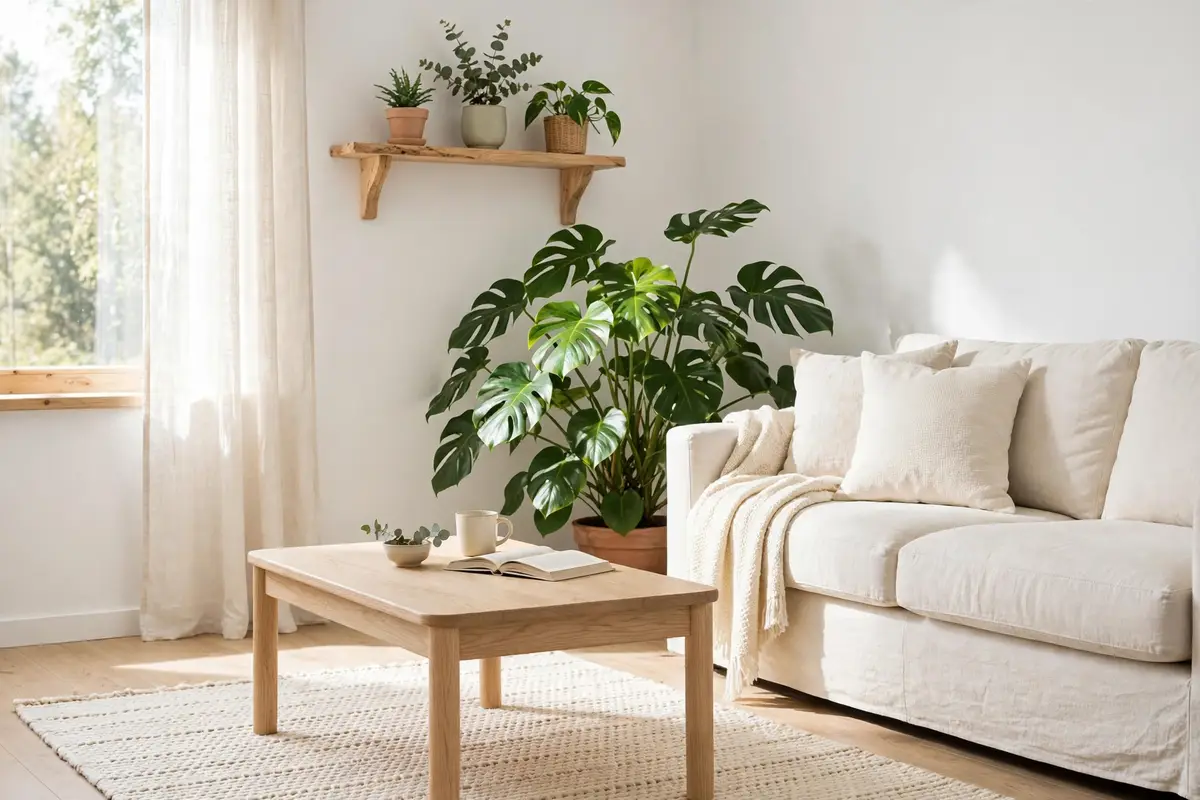
DO:
- Choose plants that suit your available natural light.
- Use simple ceramic or woven planters.
- Place taller plants beside empty corners.
- Repeat greenery with smaller plants on shelves.
DON’T:
- Crowd every surface with plant pots.
- Choose plants without checking their care needs.
- Hide beautiful furniture behind oversized foliage.
- Mix too many unrelated planter styles.
Greenery brings life into a neutral interior and softens the clean lines of wooden furniture. Start with one easy-care plant, such as a snake plant or pothos, and give it a suitable spot near natural light. A little greenery is often enough to make the entire room feel fresher and more connected to nature.
Conclusion
Creating a beautiful Scandinavian living room is all about finding the right balance between simplicity, comfort, and natural warmth. You don’t need to replace everything or spend a fortune to achieve the look. Start with light wood, comfortable textiles, soft colors, and practical furniture that suits your everyday routine. Even small changes can make your home feel brighter and more inviting. Save your favorite ideas to Pinterest, choose one design to try this week, and enjoy making your space your own. Don’t forget to share your favorite inspiration with someone who loves beautiful interiors!