Genius Living Room Partition Design: 22 Ideas to Try

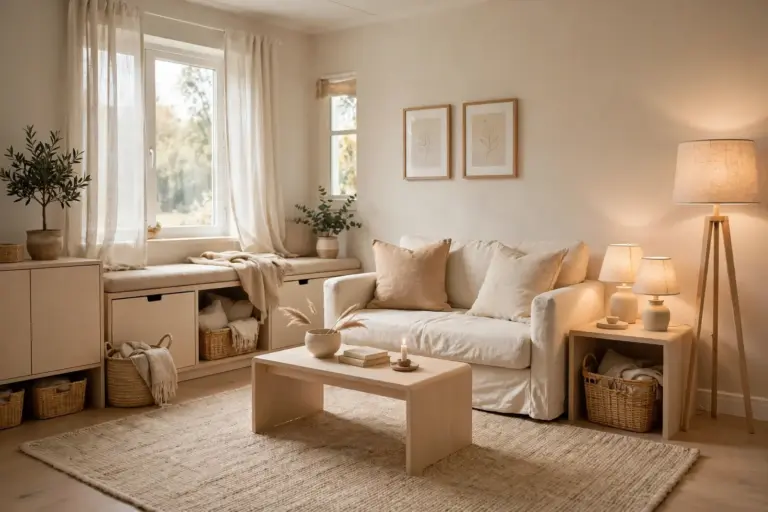
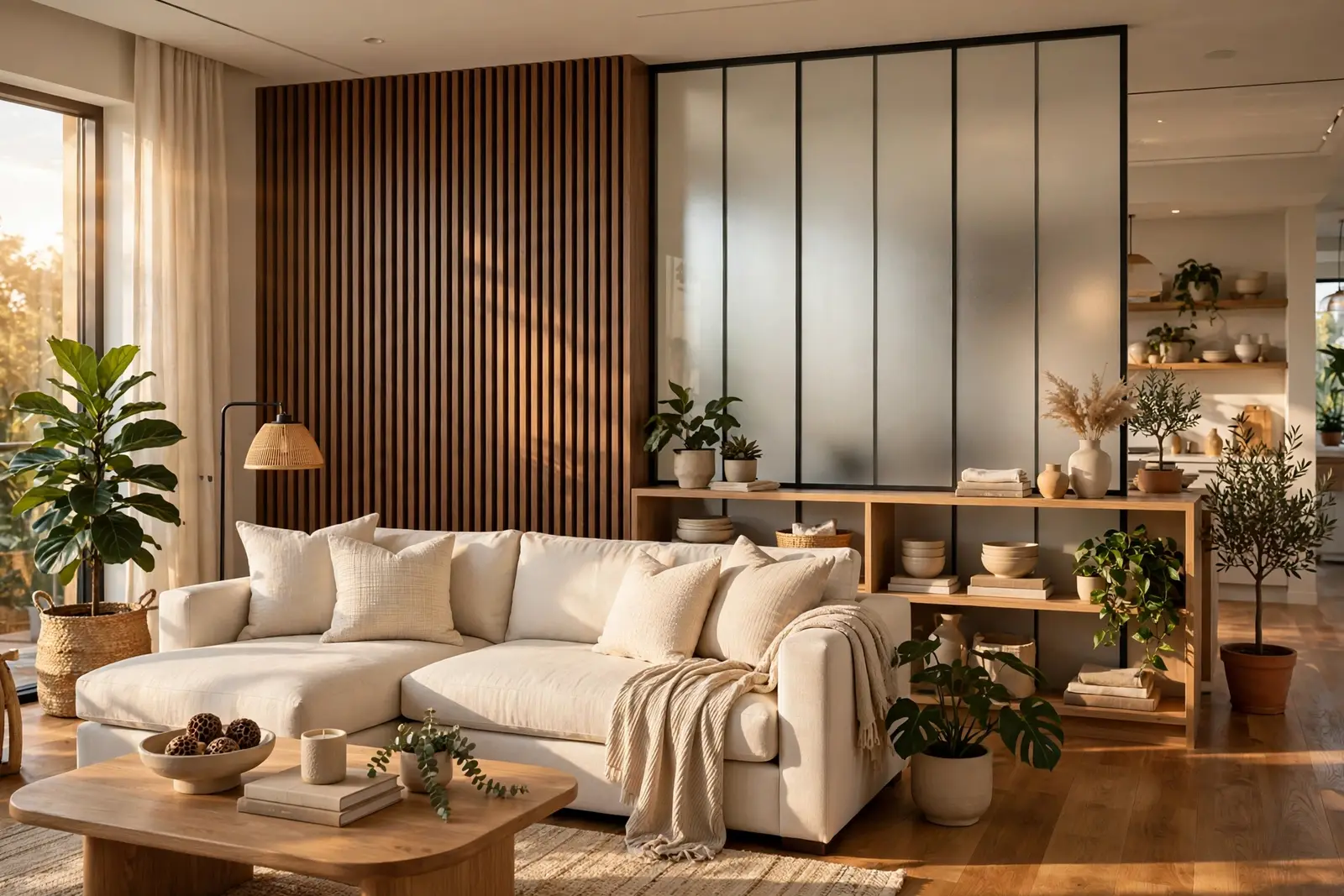
A smart living room partition design can make your living room feel more organized without making it feel smaller. The secret is choosing a partition that defines separate areas while keeping the room comfortable, bright, and welcoming.
Whether you live in a small apartment, have an open-plan home, or simply want more privacy, the right divider can help you create distinct zones without building permanent walls. From airy wooden screens to clever shelving and soft fabric dividers, these ideas offer practical inspiration for every decorating style and budget.
Explore these 22 creative solutions to find a setup that suits your layout, lifestyle, and personal taste. Each idea includes styling details and helpful tips to make planning your next room update easier.
1. Open Bookshelf Divider
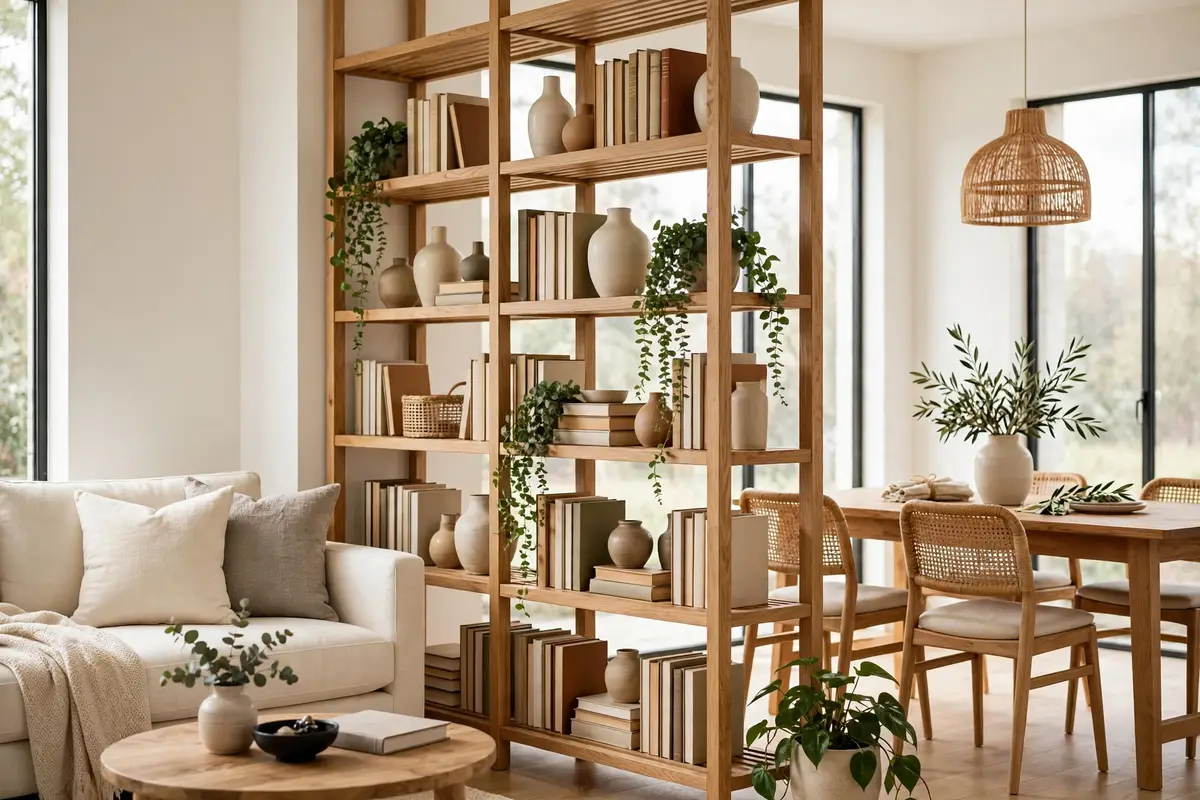
An open bookshelf gives you separation and storage in one clever piece of furniture. Instead of closing off the room, it creates a clear boundary while still letting light and conversation flow through.
Place books, baskets, and a few favorite objects on the shelves, but leave some open gaps for air. In my experience, a shelf that is too full can feel heavy, while a balanced shelf keeps both sides bright and easy to use.
2. Sliding Linen Panels
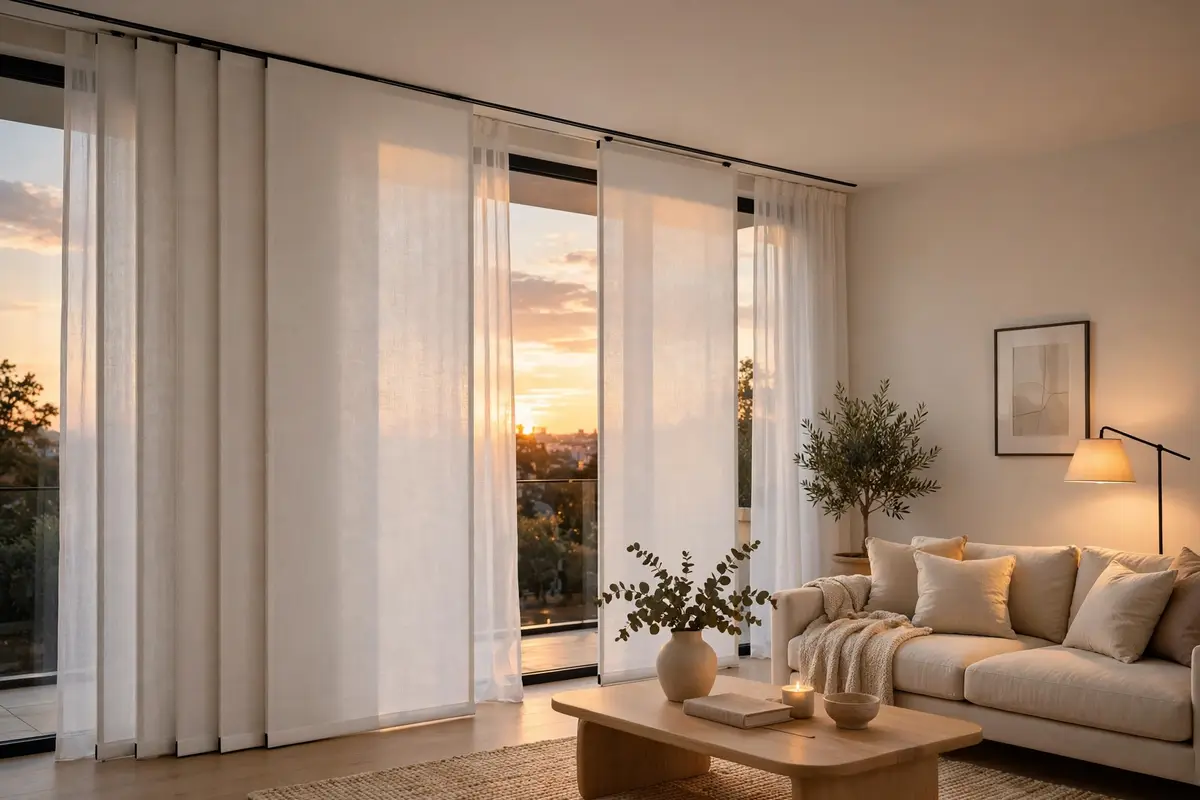
- Choose a ceiling-mounted track so the panels glide smoothly without taking up floor space.
- Use light linen or cotton to keep the divider airy and soft.
- Slide the panels open during the day to keep the room connected.
- Close them at night for privacy or a quieter reading corner.
This flexible setup works well in studios and open-plan homes because you can change the layout in seconds. Pick a neutral fabric that matches your sofa or curtains, then add a simple pull tab or handle for easy use.
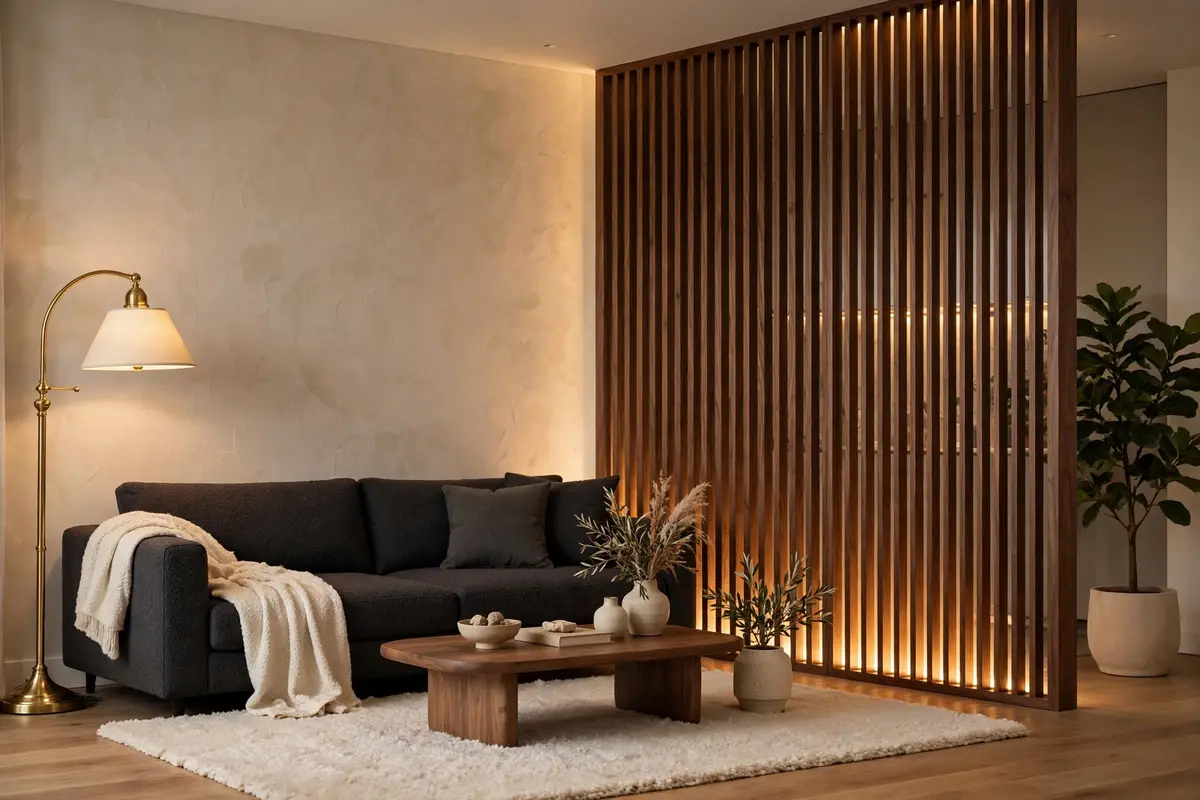
3. Wood Slat LED Screen
Quick Tip:
A warm white LED strip gives the best glow for evening use. Place it behind the slats, not in front, so the light spreads softly and does not create harsh lines.
This screen adds warmth and depth without blocking the room. The slim slats guide the eye upward, which can make a low ceiling feel taller, while the gentle glow creates a calm and inviting mood after dark.
4. Half-Wall Shelving Unit
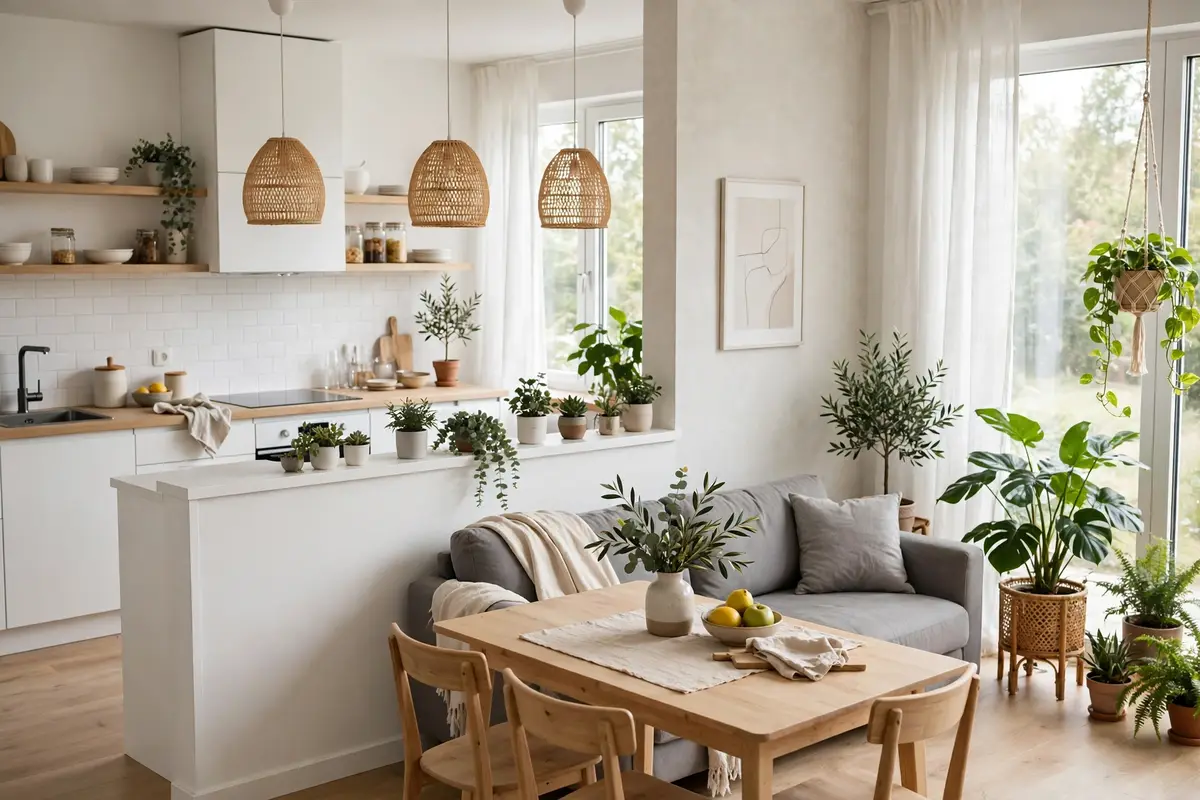
BEFORE: A kitchen and living room can blend into one messy area with no clear boundary. Cooking items, cushions, and clutter often spill across the floor.
AFTER: A low shelf creates a clear edge between the two zones. It adds storage, supports plants or books, and keeps the room open while each area feels separate and tidy.
This idea works well when you want order without losing light. Keep the top surface simple, with one plant, a tray, or a small lamp, so the divider looks intentional rather than crowded.
5. Black Steel Glass Divider
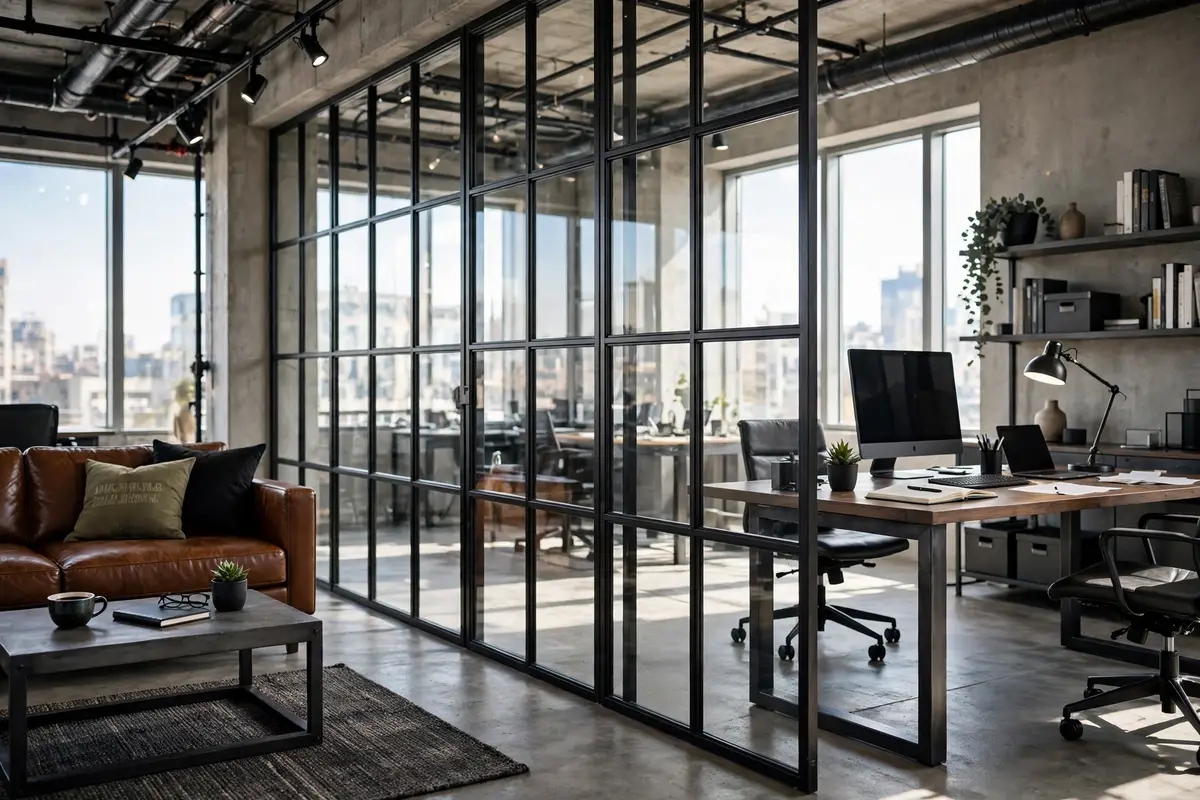
- Measure the opening carefully and choose a frame that fits the height and width.
- Pick clear glass if you want maximum light, or tinted glass for more privacy.
- Anchor the frame securely to the floor and ceiling for stability.
- Add a small plant or rug nearby to soften the industrial edges.
This divider gives structure without making the room feel closed in. The black frame creates a strong visual line, while the glass keeps both sides bright and connected, which is helpful in smaller homes.
6. Macramé Hanging Panel
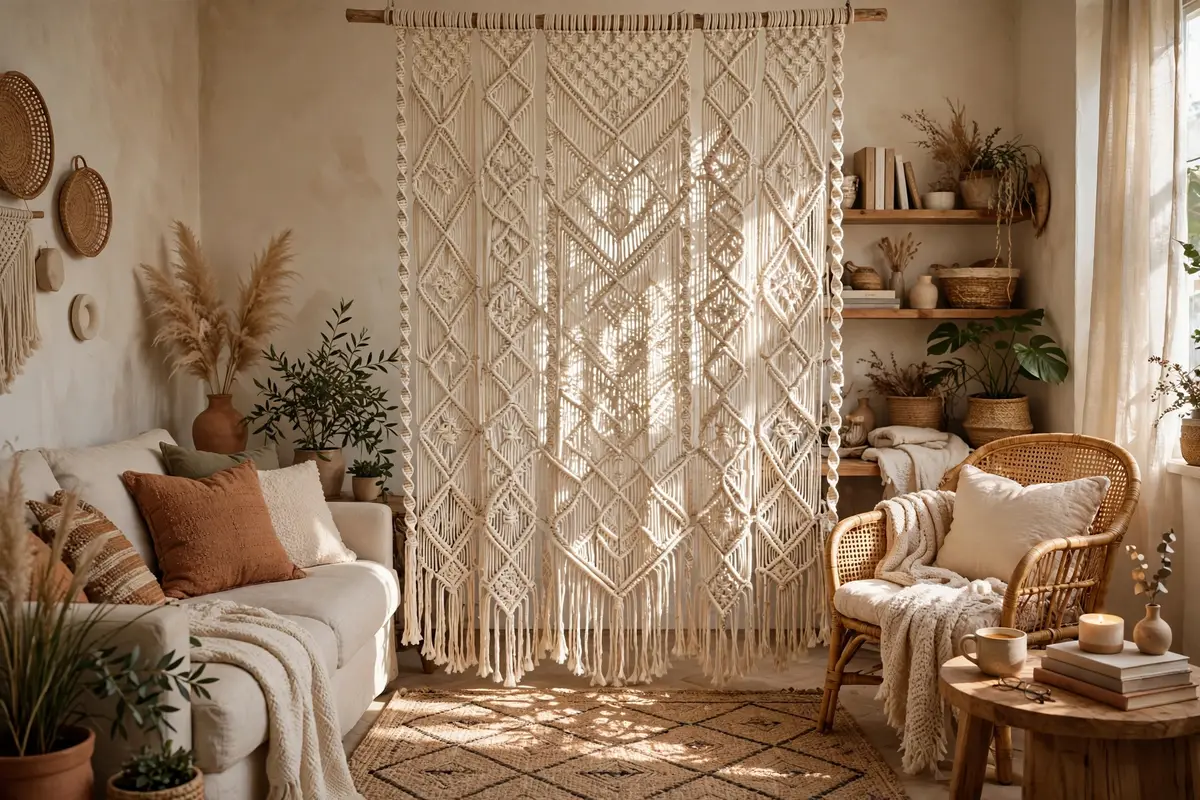
Option A: Ready-Made Macramé Panel
- Easier and faster to hang.
- Comes in set sizes and patterns.
- Usually includes a wooden dowel rod.
Option B: Handmade Macramé Panel
- Can match your exact width and style.
- Takes more time and skill to make.
- Often costs more than a ready-made version.
A macramé panel adds texture and softness while still marking a clear zone. Hang it from a strong ceiling hook or wooden rod, then keep nearby furniture light and simple so the pattern stays the main focus.
7. Bamboo Pole Cluster
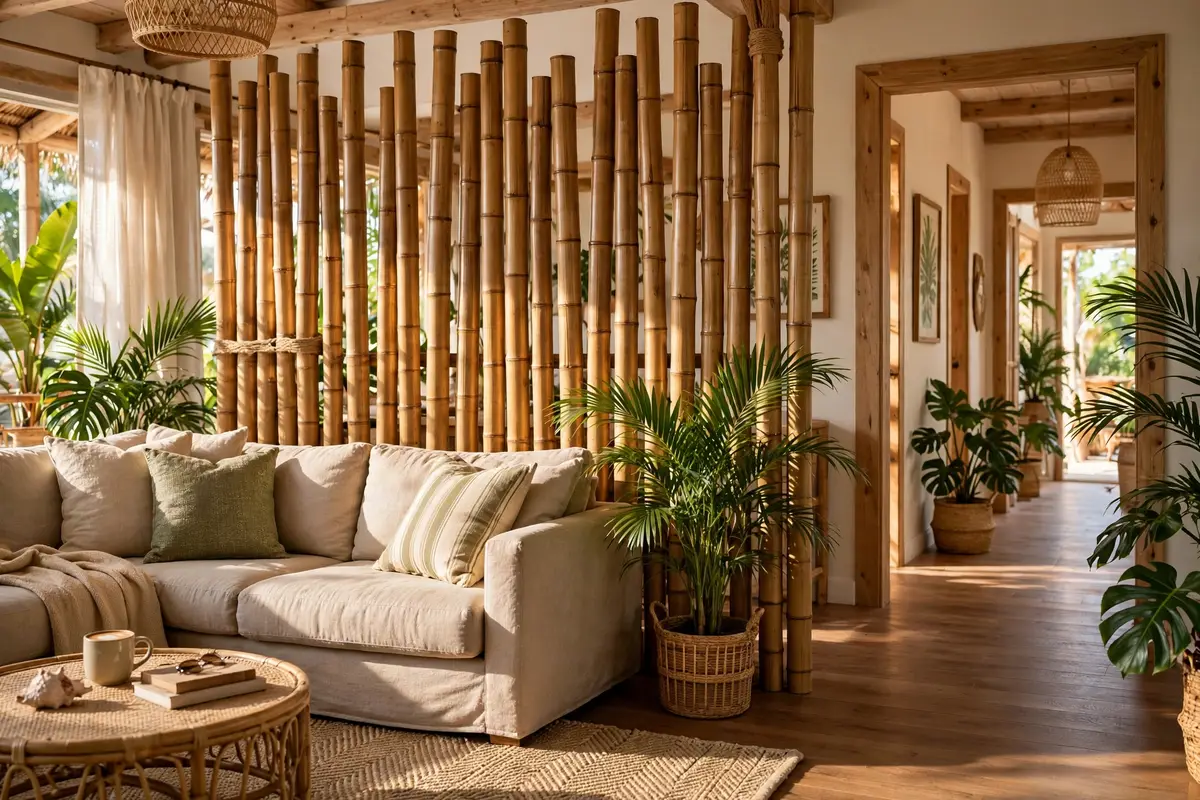
DO:
- Measure the space first so the poles sit straight and evenly spaced.
- Secure each pole at the top and bottom.
- Mix two or three shades of bamboo for natural depth.
DON’T:
- Place poles too close together or the divider will block light.
- Use untreated bamboo in a damp room.
- Lean poles against the wall without fixing them in place.
Bamboo brings a calm, natural feel to a room while creating a soft screen. It works well in rentals because it can be removed without damage, and the vertical lines help the space feel taller and more open.
8. Living Plant Wall
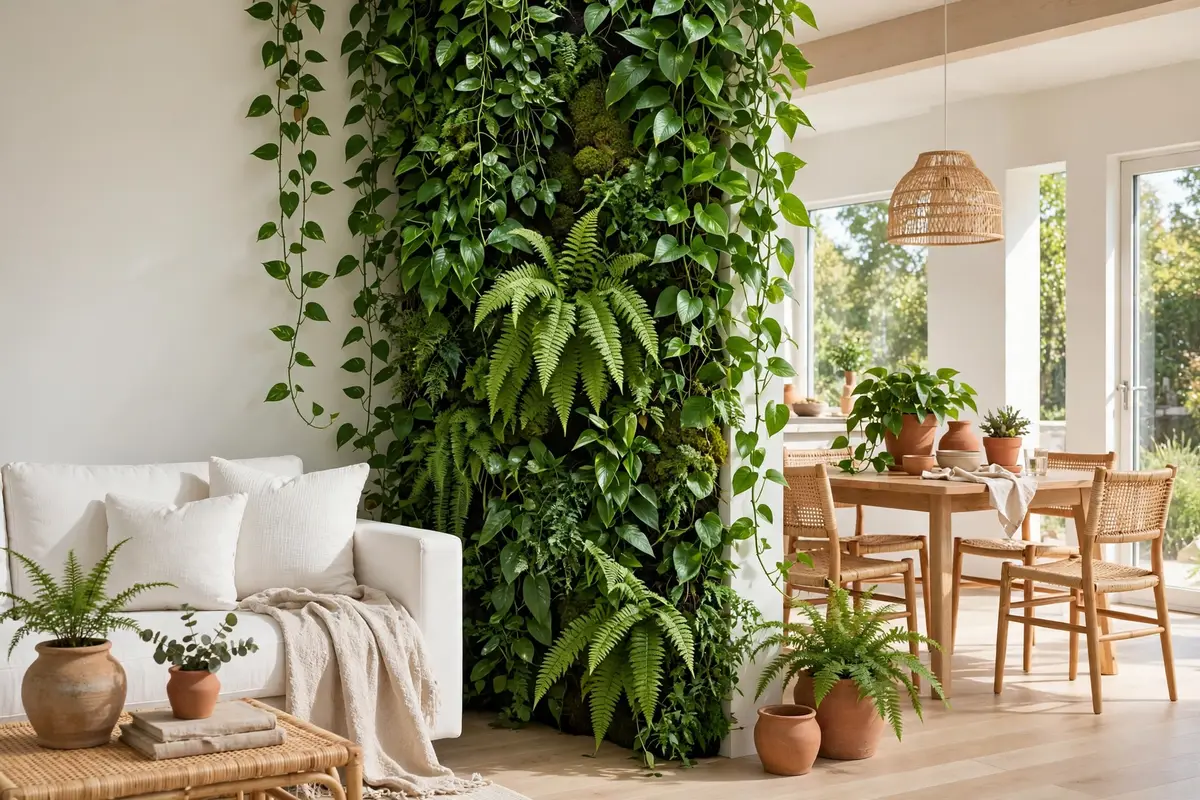
Cost: $75 to $300, depending on plants and planters
Time: 1 to 2 hours to set up
Skill Level: Beginner friendly
Best For: Plant lovers and bright open-plan rooms
A plant wall adds life, color, and softness while gently marking a boundary. Choose trailing plants that grow downward, water them on a regular schedule, and trim them often so the wall stays full without blocking walkways or light.
9. Shoji Paper Screen
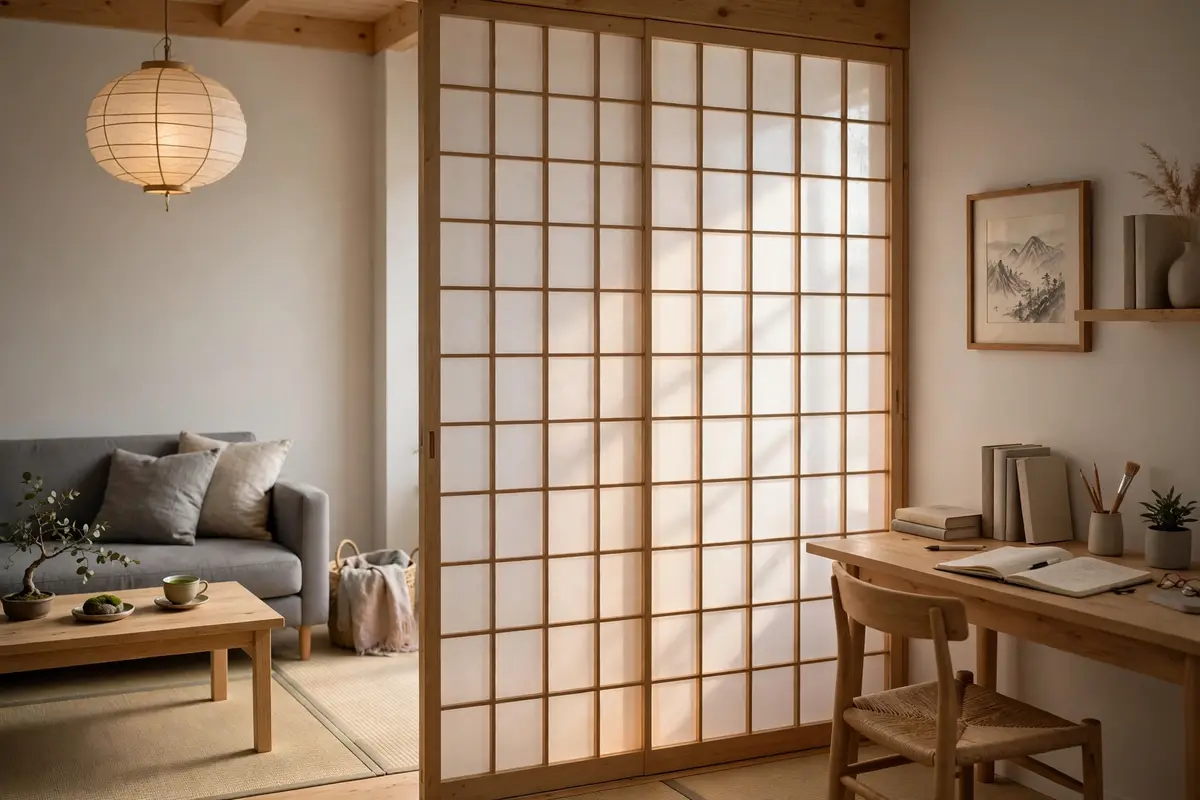
A shoji screen softens light and adds a quiet, peaceful feeling to a room. Its pale paper panels glow gently during the day and create a warm light in the evening.
Place it a short distance from the wall so air can move around it, and choose a frame that matches your furniture. I’ve seen this work well in small rooms because it divides space without adding visual weight.
10. Laser-Cut Metal Screen
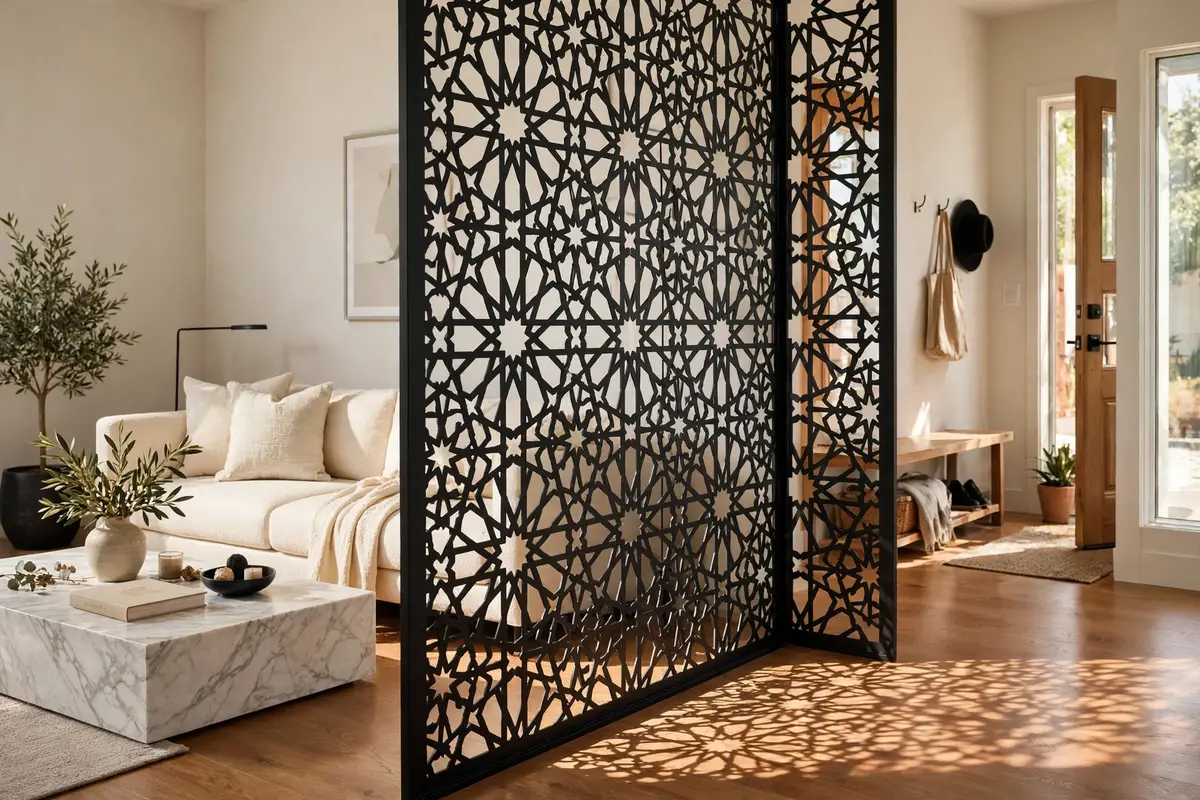
- Choose a pattern that matches your style, from geometric shapes to leaf designs.
- Mount the screen on a stable base or fix it to the floor.
- Leave space behind it so shadows can fall on the wall.
- Pair it with warm lighting to highlight the cut-out shapes.
This screen works like art and a divider at the same time. During the day, sunlight creates moving patterns on the floor, while at night a nearby lamp can turn the cut-out design into a soft feature on the wall.
11. Cube Shelf Divider
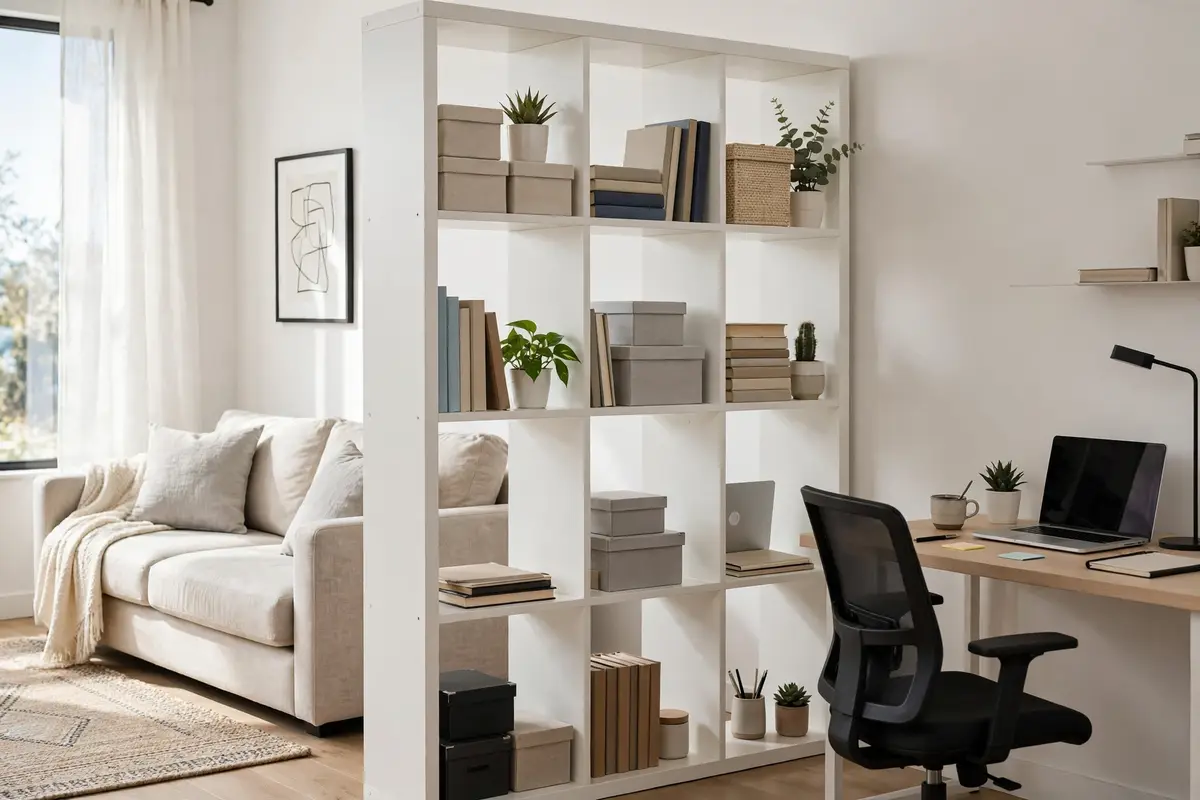
Quick Tip:
Mix open cubes with closed storage boxes to keep the divider useful and tidy. Place heavier books on lower shelves, use the top row for plants or decor, and leave one or two cubes open to let light pass through.
A cube shelf is one of the simplest ways to divide a room because it is sturdy, flexible, and easy to move. For more layout inspiration, explore these apartment living room ideas for arranging furniture around a cube shelf without blocking walkways.
12. Accordion Fabric Door
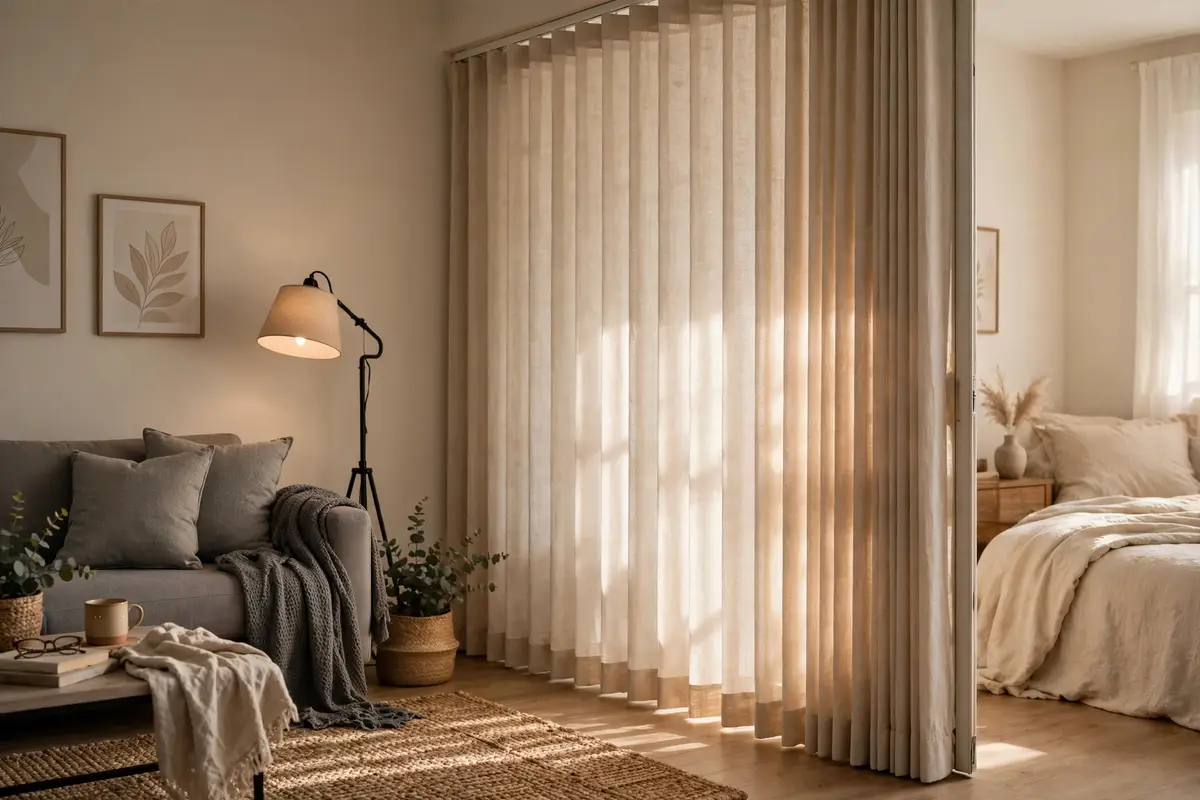
BEFORE: An open doorway can let noise and activity from another room spill into your living space. It can also make a small home feel less private.
AFTER: An accordion door gives you a quick way to close off the area when you need quiet. It folds away neatly when open, so the room still feels large and connected.
This divider is useful for bedrooms, offices, and play areas that share space with a lounge. Choose a fabric that matches your curtains, then test the fold several times to make sure it moves smoothly.
13. Mirrored Panel Screen
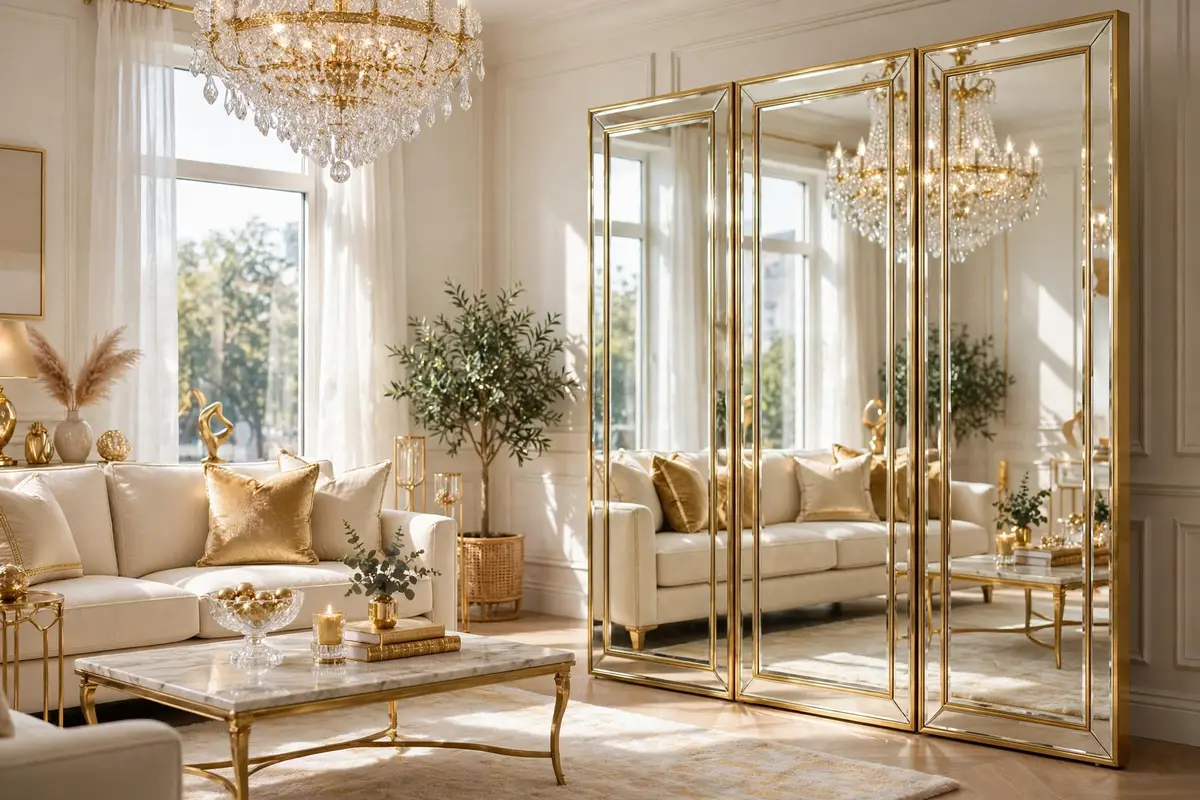
- Choose a spot with good natural light so the mirror can reflect it.
- Angle the panels slightly to spread light across the room.
- Keep the mirrors clean with a soft cloth and glass spray.
- Place a plant or vase in front to add depth and soften reflections.
A mirrored screen makes a small room feel larger because it reflects light and furniture across the space. It also creates a clear boundary without adding solid bulk, which helps an open-plan layout feel more balanced.
14. Tension Rod Curtain
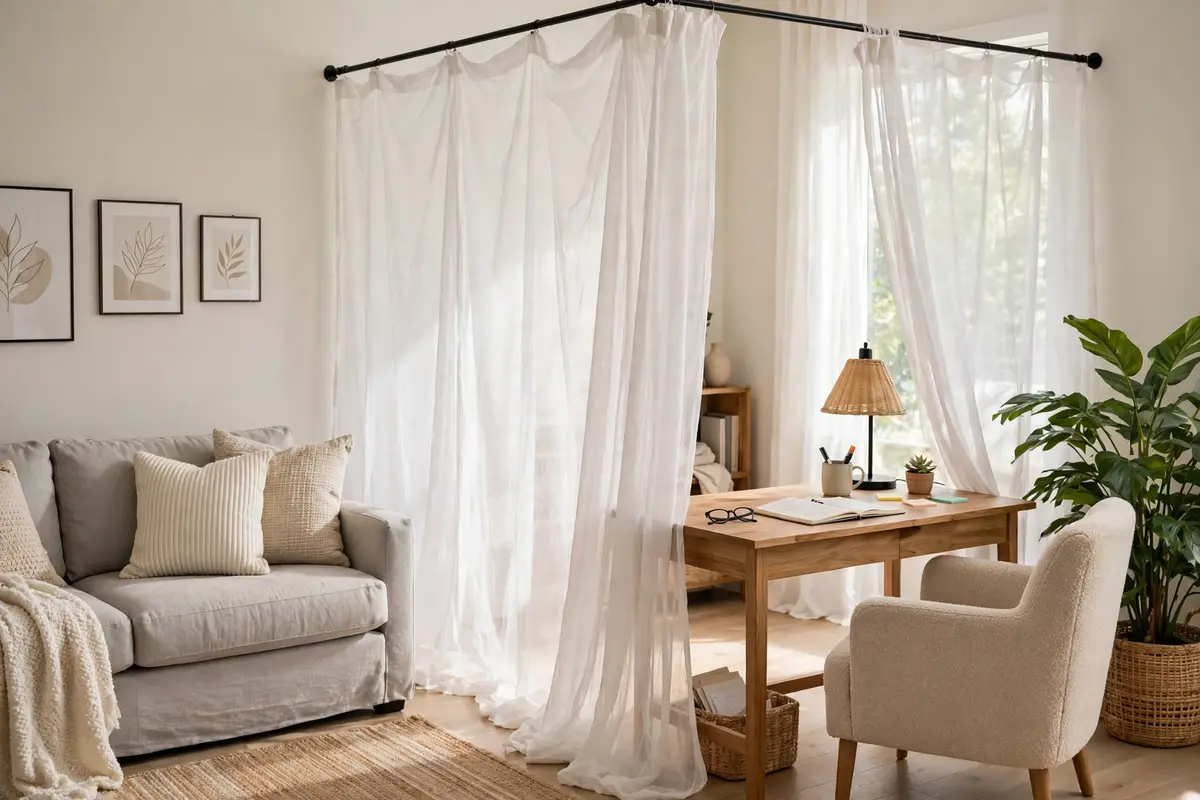
Full Curtain: Blocks more sound and light, gives stronger privacy, and suits bedrooms or work corners.
Sheer Curtain: Keeps the room bright, adds a light visual boundary, and suits open lounges.
Linen Curtain: Adds texture and warmth, blocks some light, and suits cozy living rooms.
This is one of the easiest dividers to install because it needs no drilling or permanent fixings. You can find more space-saving inspiration in these small living room decor ideas for compact homes.
15. Rattan Folding Screen
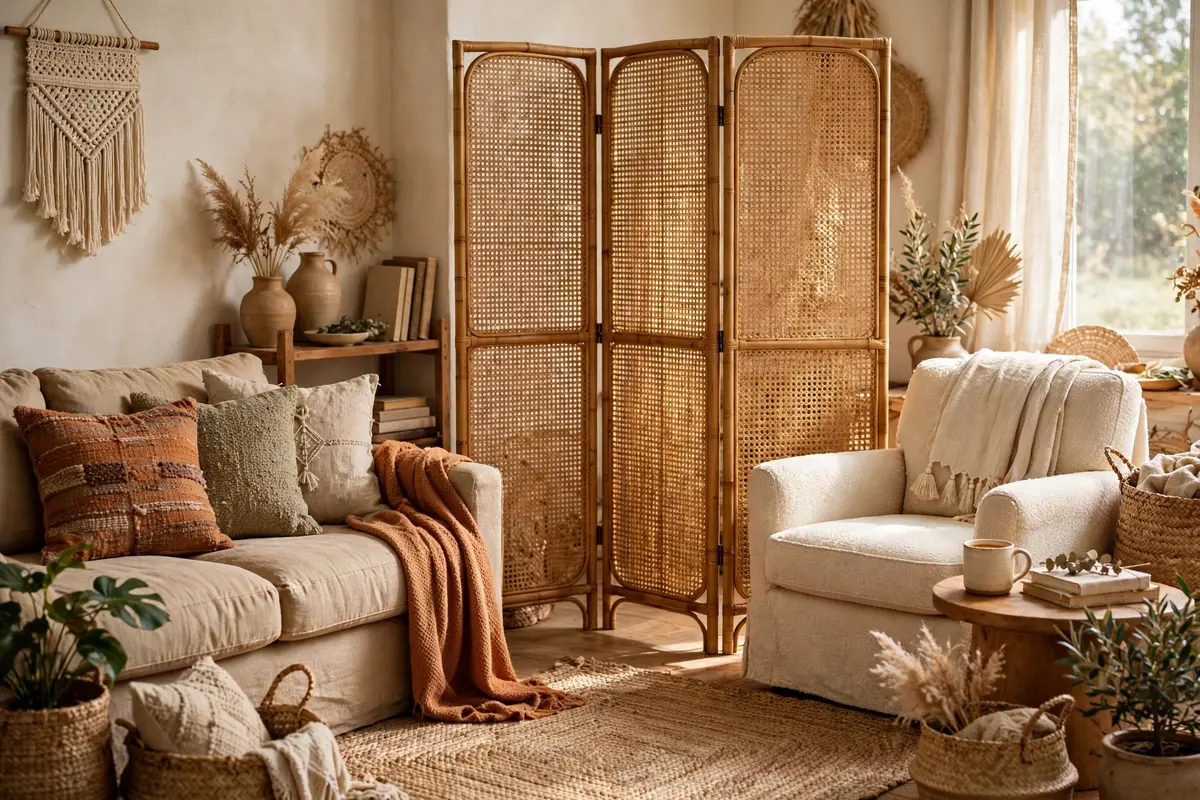
DO:
- Open the screen at a slight angle so it stands steady.
- Choose a height that matches your sofa or shelving.
- Dust the weave often to keep it looking fresh.
DON’T:
- Place it where it blocks a walkway.
- Use it as a support for heavy items.
- Leave it in a damp area, as rattan can warp.
Rattan adds warmth and texture while keeping the divider light and easy to move. Fold it away when guests arrive, or open it fully to create a quiet corner for reading, working, or relaxing.
16. Frosted Glass Slider
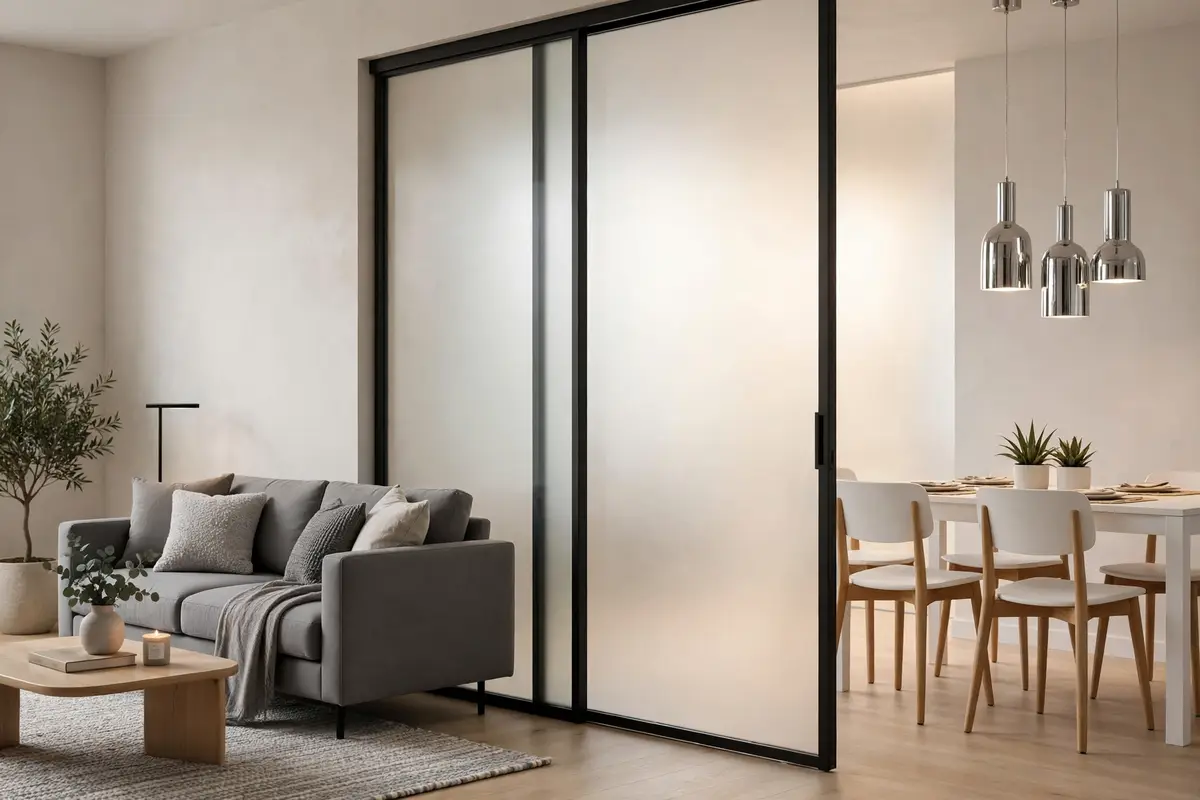
Cost: $250 to $800, depending on size and track quality
Time: 2 to 4 hours for installation
Skill Level: Moderate, help may be needed
Best For: Open-plan homes needing privacy with light
Frosted glass gives privacy while still letting light move between rooms. The sliding track saves floor space, and the soft white finish suits modern homes. Clean the glass often to keep the glow even and bright.
17. Floating TV Console
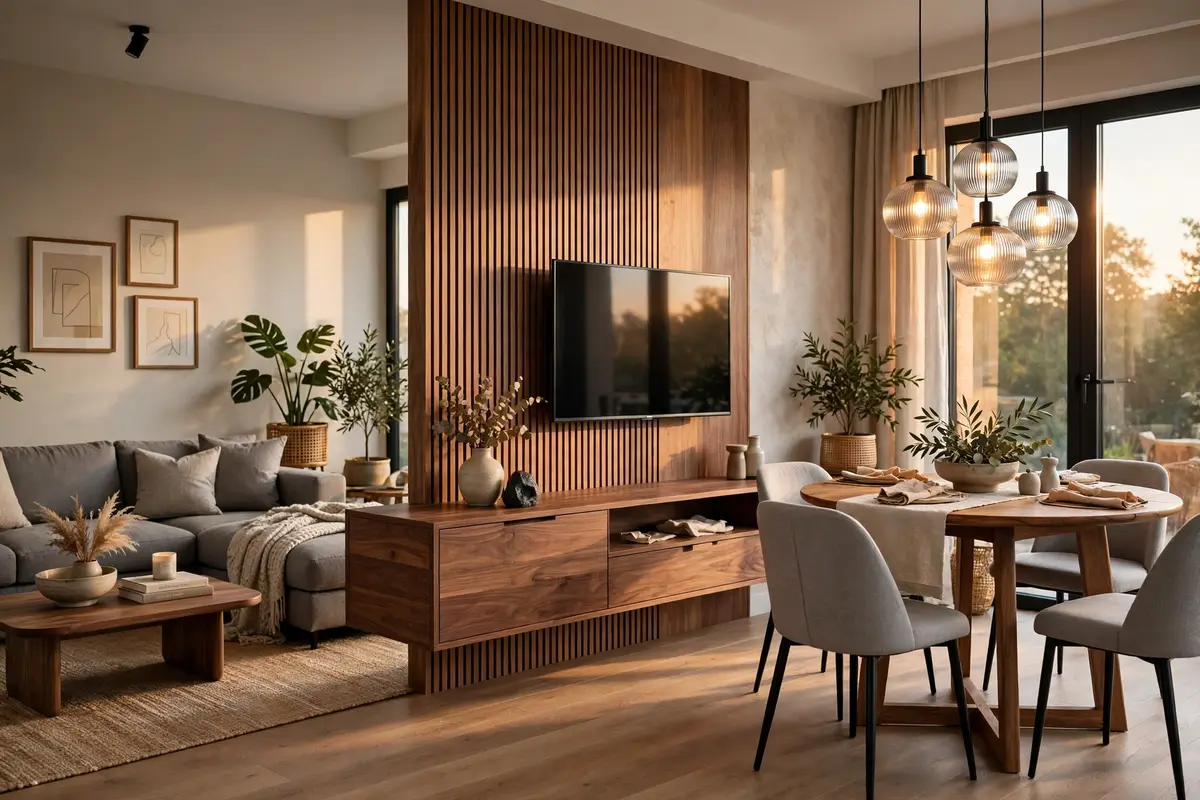
A floating TV console gives you a clear divide without blocking sight lines across the room. It holds the television at a comfortable height and adds storage for remotes, games, and media.
Keep cables hidden inside the console and leave space behind it for easy movement. I’ve noticed that a low console works best in open plans because it marks the lounge zone while the dining area still feels connected.
18. Carved Wooden Lattice
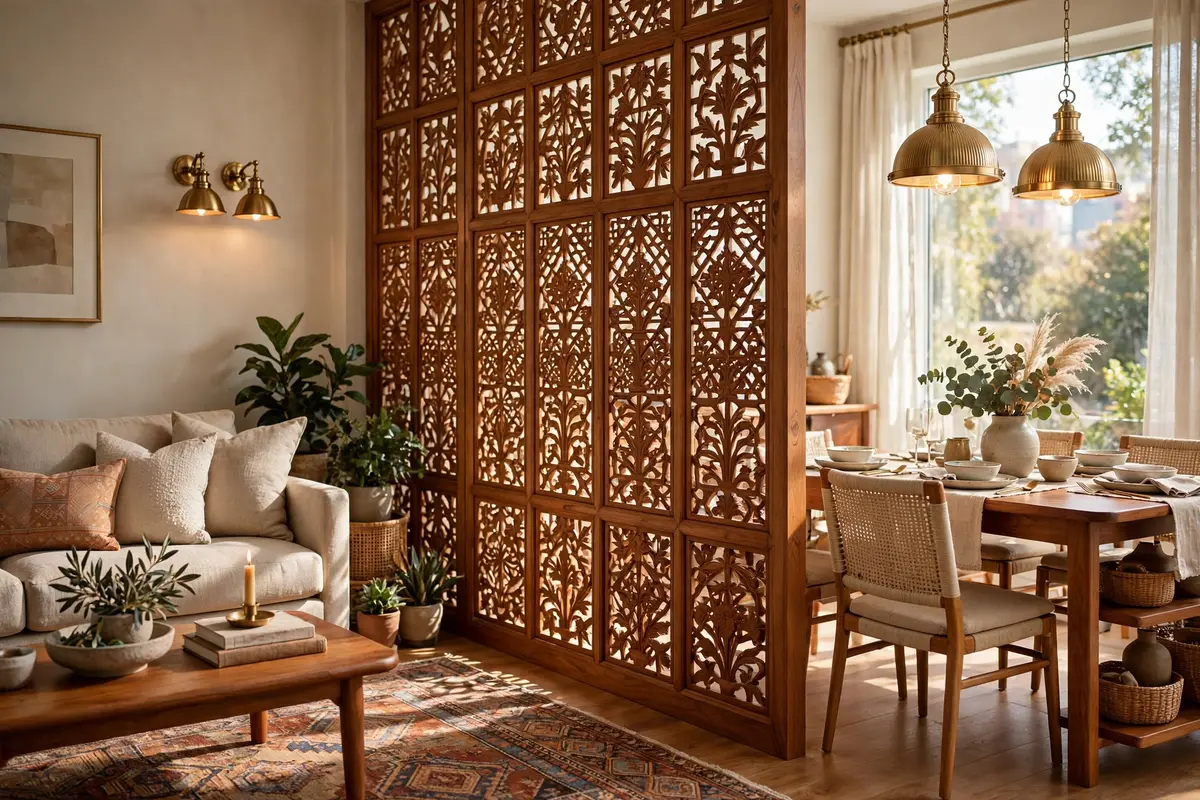
- Choose a dense pattern for more privacy.
- Pick an open pattern to let more light through.
- Match the wood tone to your floor or furniture.
- Add a small light nearby to highlight the carving at night.
This screen adds a traditional craft detail while still feeling light. The carved openings create a beautiful pattern of light and shadow, and the warm wood tone helps the divider feel like part of the room rather than an added wall.
19. Moss Panel Divider
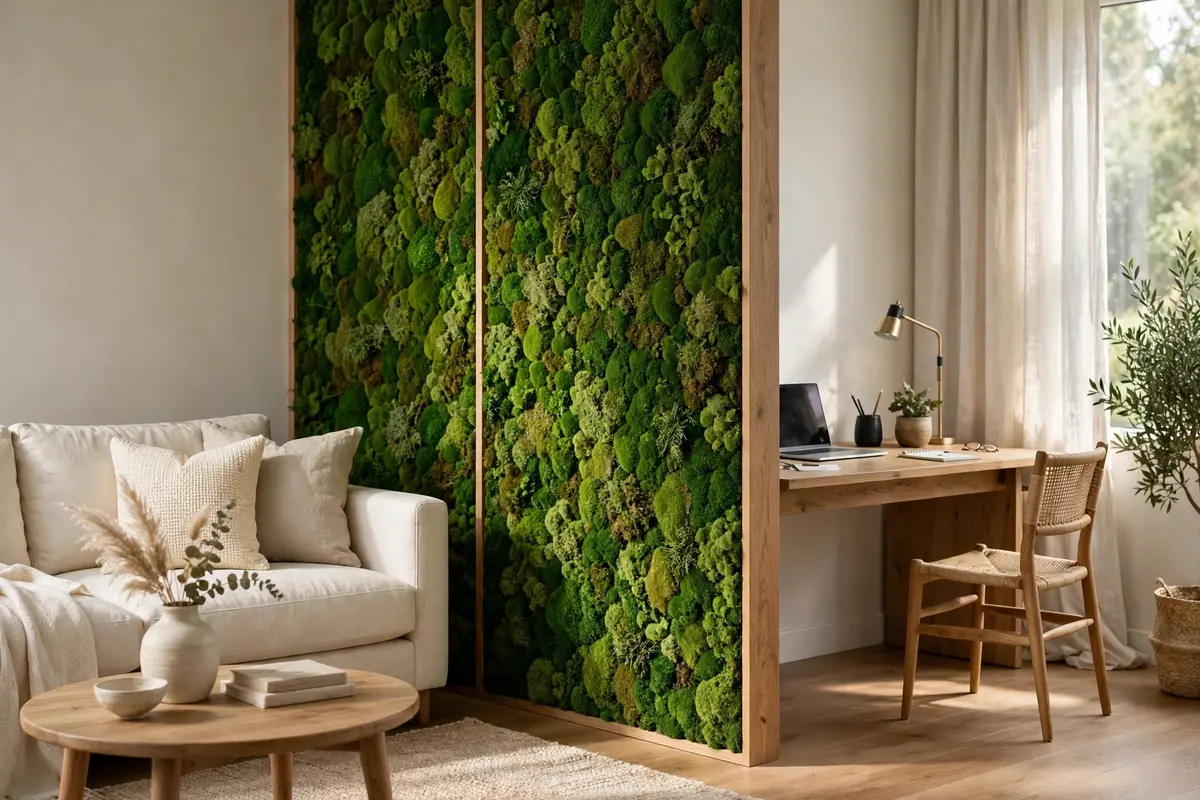
Quick Tip:
Preserved moss needs no watering, which makes it easy to care for. Keep it away from direct sunlight and damp areas, dust it lightly with a dry cloth, and pair it with wood or stone for a calm natural look.
A moss panel softens sound and adds a fresh green accent to a plain wall. It works well in offices and reading corners, where a quieter and calmer mood helps you focus and relax.
20. Arched Frame Opening
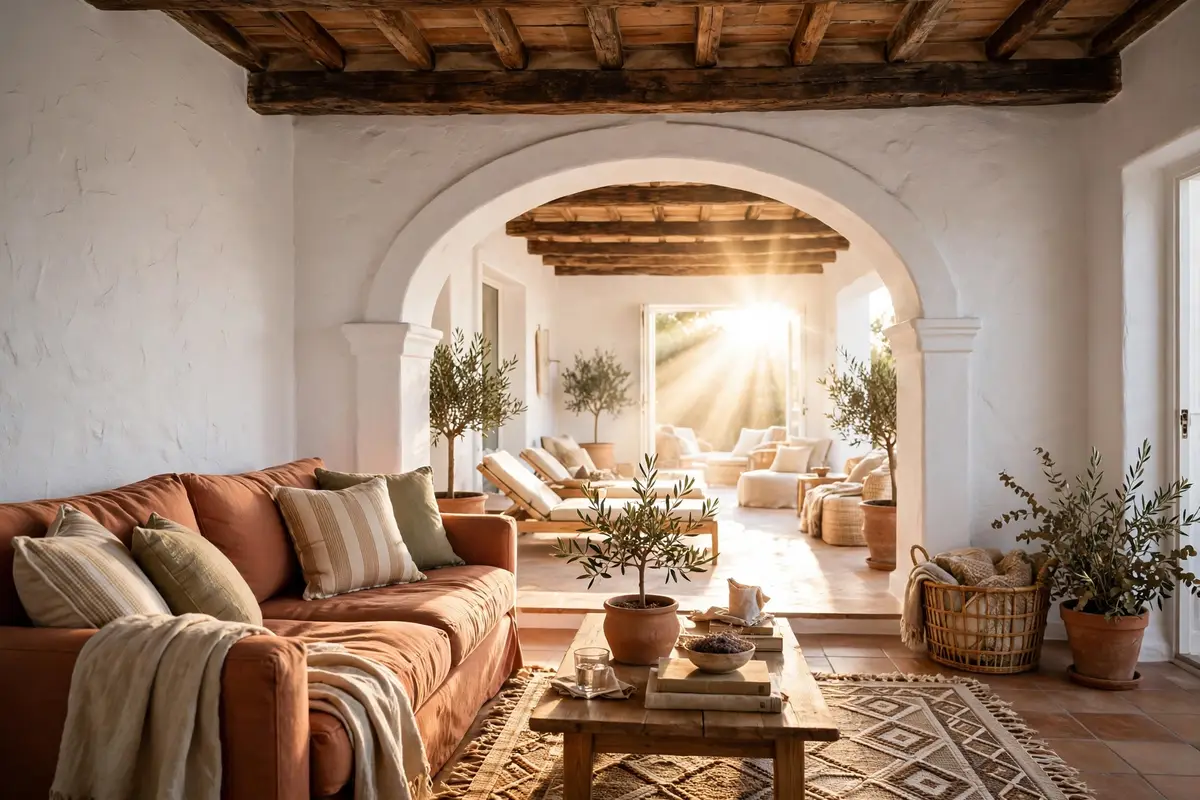
BEFORE: A wide open doorway can make two rooms feel like one long space with no clear purpose. It can be hard to tell where the lounge ends and the next room begins.
AFTER: An arched frame gives the opening a clear shape and marks the lounge as its own area. It adds character without a door, so light and movement still flow freely.
This idea suits homes with classic or Mediterranean styling. Paint the arch in a warm white or soft plaster tone, then add a rug or pendant light in the lounge to strengthen the sense of a separate zone.
21. Backlit Frosted Panel
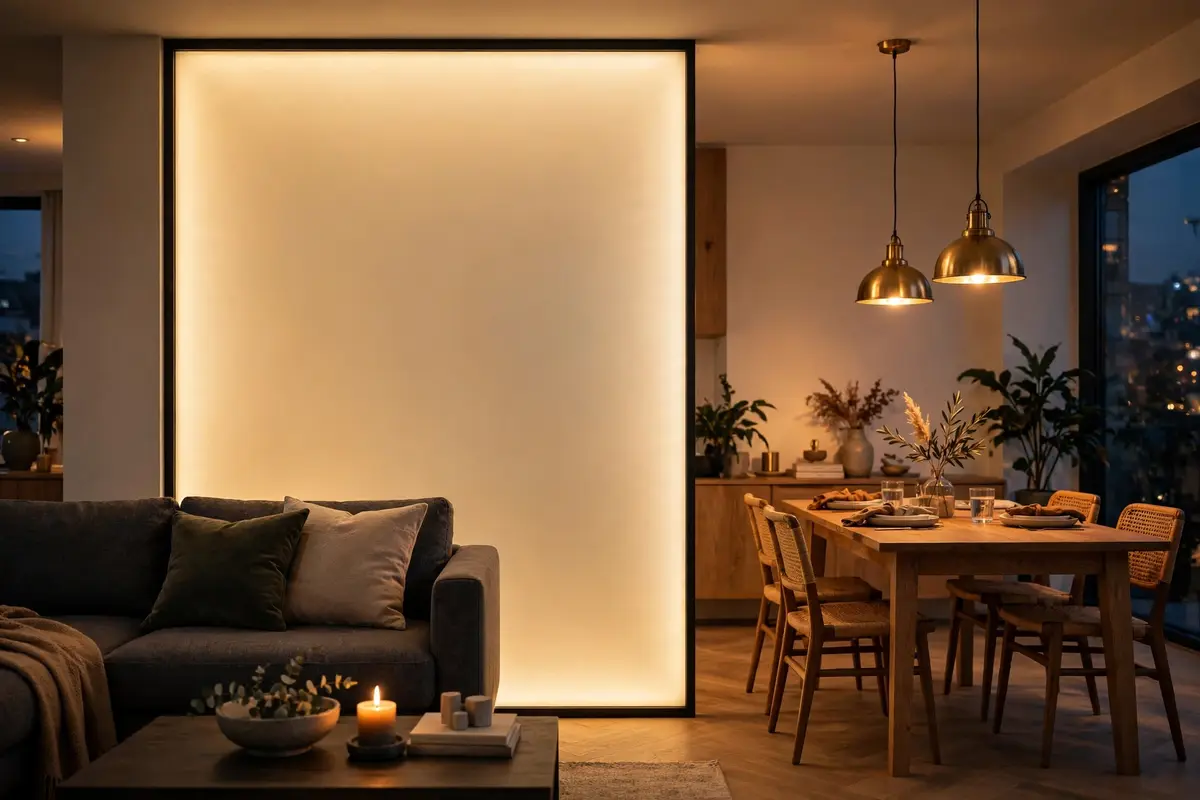
- Choose a frosted panel size that fits the wall or opening.
- Install a warm LED strip behind the panel.
- Connect it to a dimmer switch for adjustable light.
- Test the glow at night and adjust the brightness to suit the room.
This divider turns into a soft light feature once the sun goes down. It adds a calm glow to the room, marks the boundary clearly, and works well beside a sofa or dining table where gentle evening light feels welcoming.
22. Double-Sided Fireplace
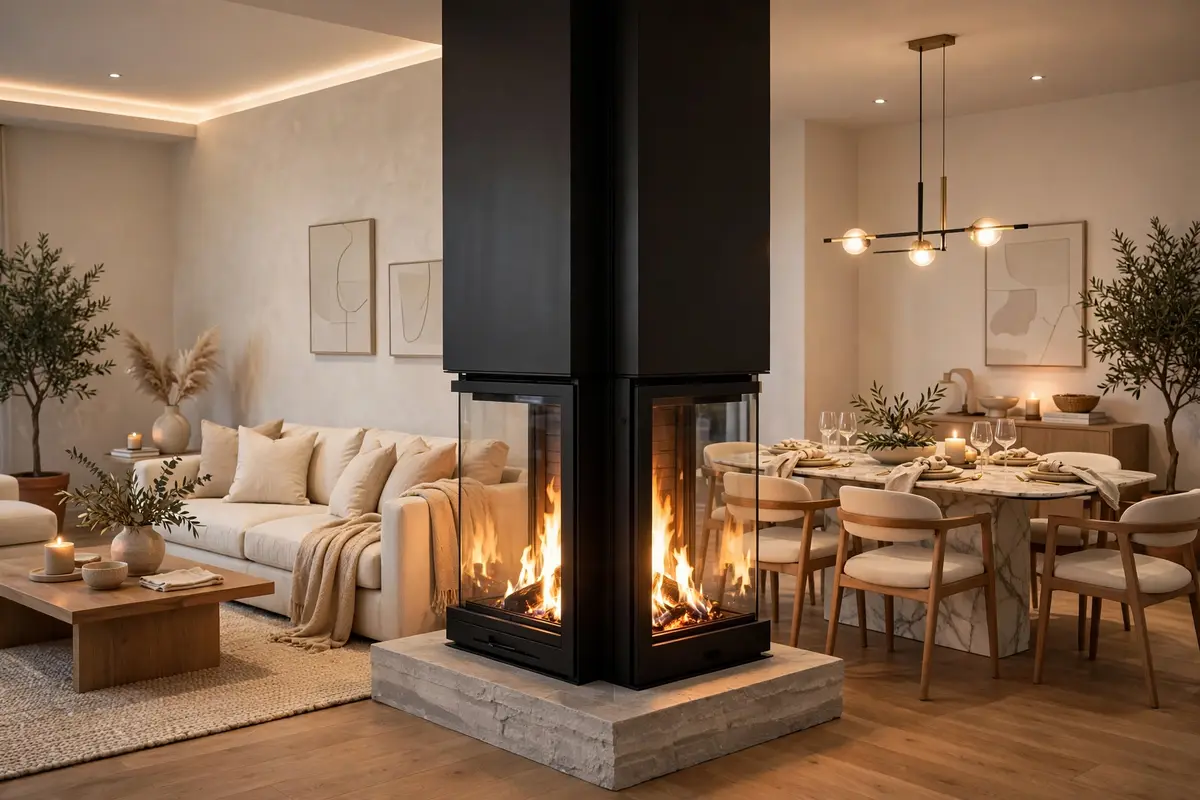
Gas Fireplace: Heats quickly, needs a gas line, and gives a steady flame with simple controls.
Electric Fireplace: Easier to install, needs only a power outlet, and suits apartments or rentals.
Wood-Burning Fireplace: Gives a natural flame and warmth, but needs a chimney and regular cleaning.
A double-sided fireplace creates a warm focal point that both zones can enjoy. It adds a clear divide without blocking light or views, and the shared warmth makes the whole space feel more inviting on cold evenings.
Conclusion
You don’t need a new wall to make your living room feel more organised. A simple screen, shelf, or curtain can define each zone, add storage, and bring new style to your home. Pick one idea that fits your space and budget, try it this weekend, and see how much calmer your room feels. Save your favourites on Pinterest, share them with a friend who is planning a living room partition design, and start creating a home you will love spending time in. Every small divider you add brings more order, light, and style into your everyday living space.