24 Eclectic Living Room Looks That Break the Rules

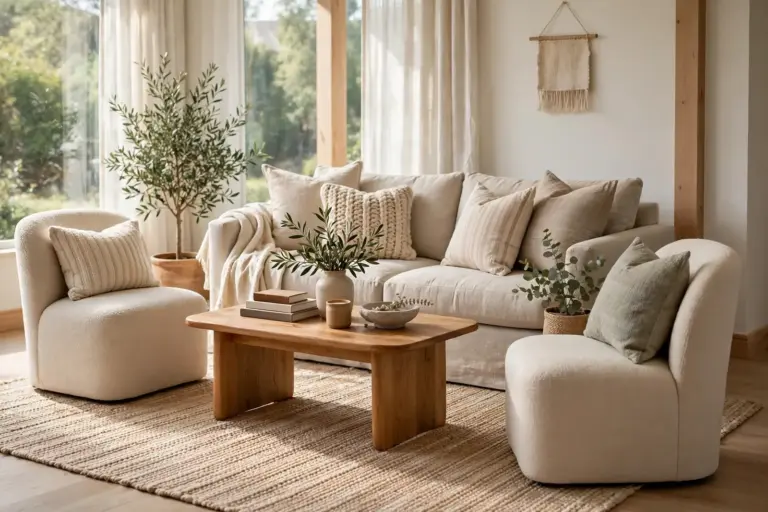
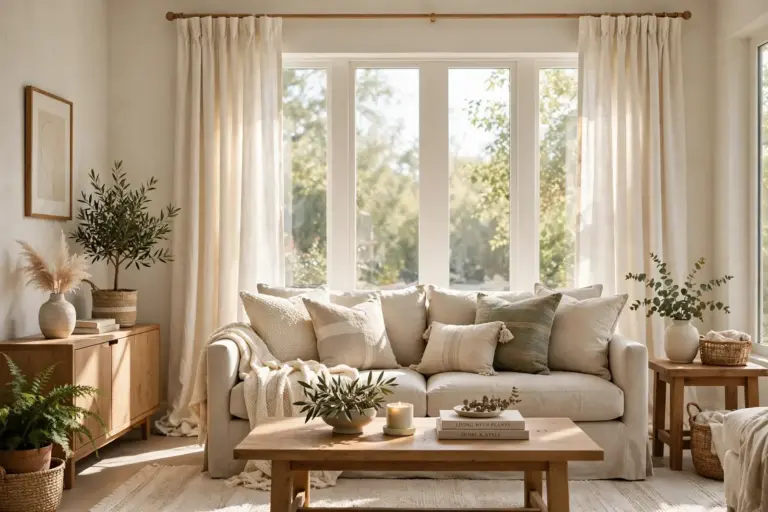
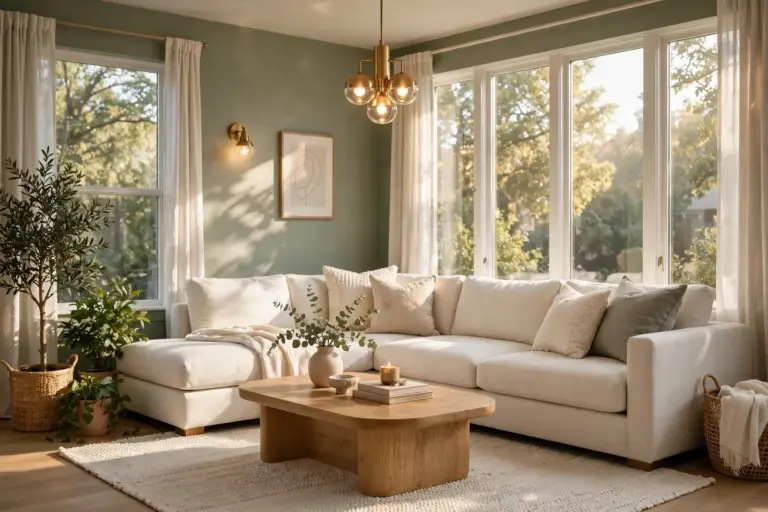
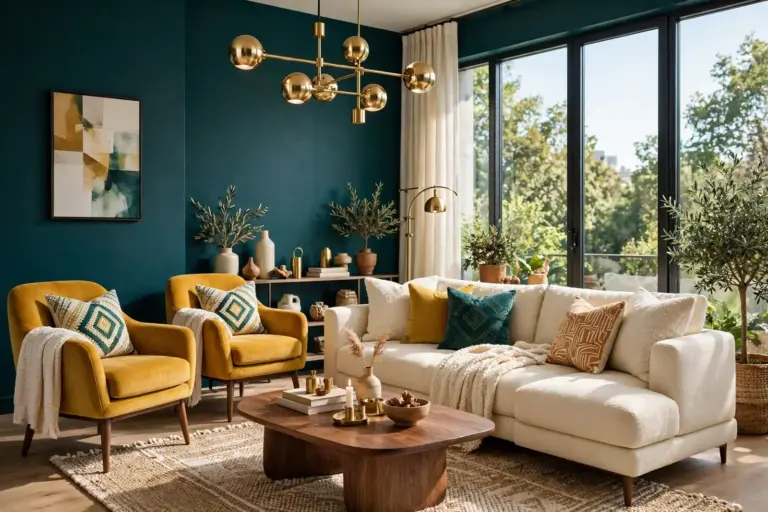
A room feels more interesting when everything does not match. A vintage chair beside a modern sofa, an unexpected artwork, or a patterned cushion can give a living space the personality that matching furniture sets often lack.
An eclectic living room is all about mixing styles, textures, colours, and eras without making the room feel cluttered. The secret is simple: keep your largest furniture pieces calm, repeat one colour or material at least three times, and allow just one unexpected statement in each view. This balance makes even a small room feel collected rather than chaotic. Best of all, many of these ideas work with thrifted finds, existing furniture, and renter-friendly updates.
One Colour Triangle
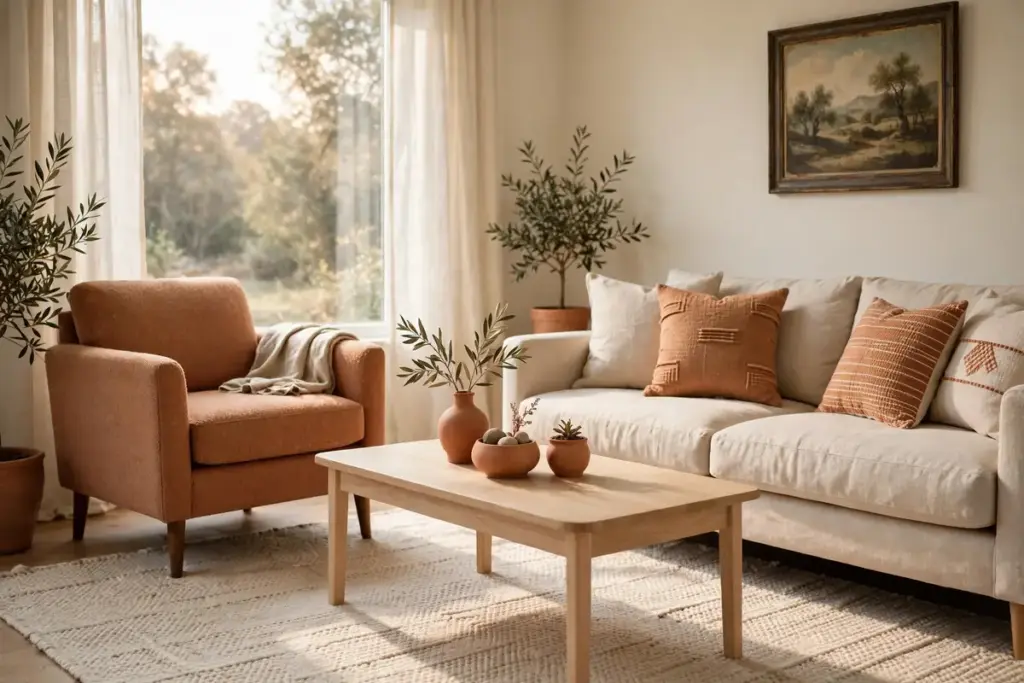
Matching every colour in a room can feel predictable. A three-point colour connection creates a more relaxed look without losing visual harmony.
Choose one accent colour and repeat it in three places that naturally draw the eye. For example, place dusty terracotta on a cushion, a small ceramic vase, and a framed artwork. Keep the sofa, walls, and larger furniture in quiet neutrals. The repeated colour guides the eye around the space, while a single unusual vintage accessory adds personality. This technique works particularly well in compact rooms because it creates interest without requiring extra furniture or complicated decorating.
Spray Painted Frames
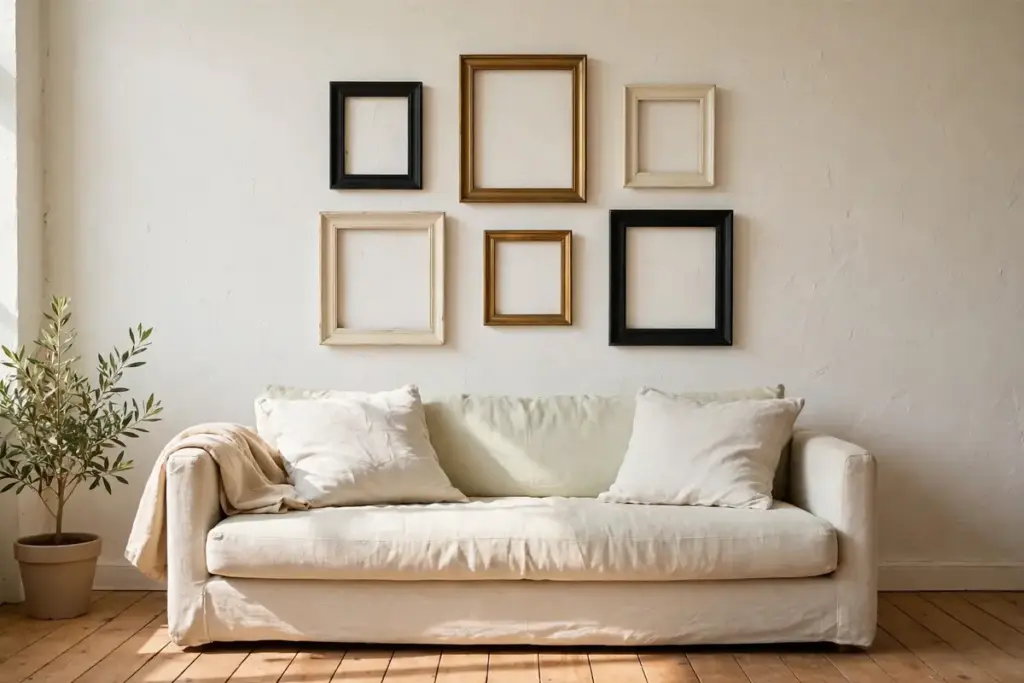
- A single can of spray paint can unite frames from different shops, eras, and finishes for about $8 to $12.
- Choose frames with simple profiles and different sizes, then remove the glass and artwork before painting.
- Keep the glass clean and add a thin mount to make inexpensive prints look more polished.
- Add one painted frame in a contrasting finish, such as brass beside matte black, for a collected look.
- Leave one frame unpainted in natural wood to keep the display from feeling too uniform.
Spray painting frames is a fast shop-your-home-first update because it uses what you already own. A $10 can of paint, $5 for new mounts, and $3 for transport can refresh five frames for less than the cost of one new frame. Keep the wall arrangement loose, leave breathing room between frames, and let one strong colour repeat across the group.
Rotating Picture Ledges
Quick Tip:
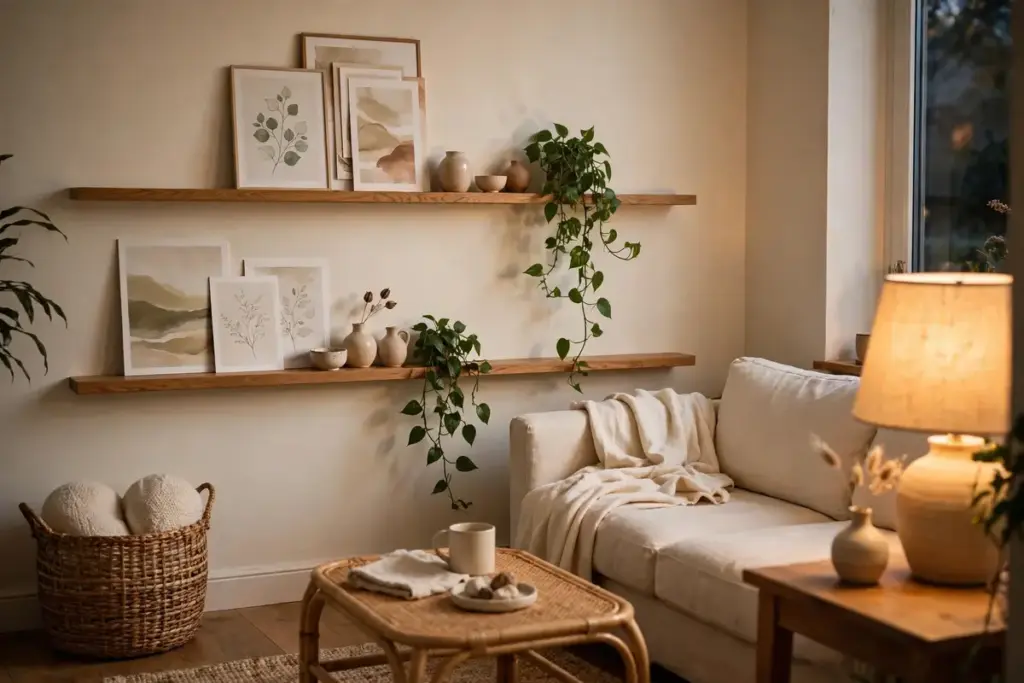
Use ledges that are 24 to 36 inches long so prints can overlap without crowding the wall. Swap one print each season, or when you find a new thrifted piece, and keep the ledge depth shallow to protect sightlines in a small room.
Rotating art keeps a room feeling fresh without new holes in the wall. Ledges cost about $18 to $35 each new, or $6 to $12 thrifted, plus $8 for brackets and fixings. Lean larger prints at the back, place smaller pieces in front, and leave a clear gap above the sofa so the display feels airy rather than heavy.
Frame TV Gallery
BEFORE
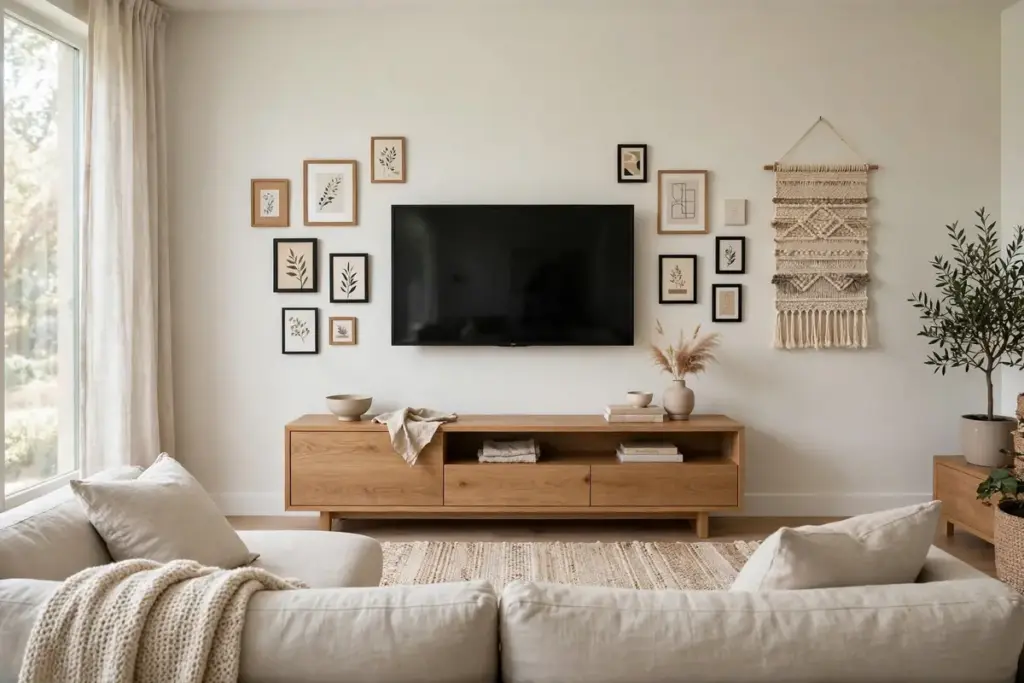
Before, the television stood out as a large black rectangle that drew attention away from the furniture and artwork around it. The wall felt cold, and the screen competed with every other object in view.
AFTER
After, a slim frame, a warm art display, and a low wooden unit help the screen sit quietly within the gallery. The television becomes one calm element in the room, while the surrounding prints and textures add warmth and personality.
A framed television works best when the screen is not the only bold rectangle in view. Keep the frame slim, choose art in the same muted palette, and leave space between the television and nearby prints. This approach suits renters because it needs no major wall changes and keeps the main seating area calm.
Thrifted Rug Layers
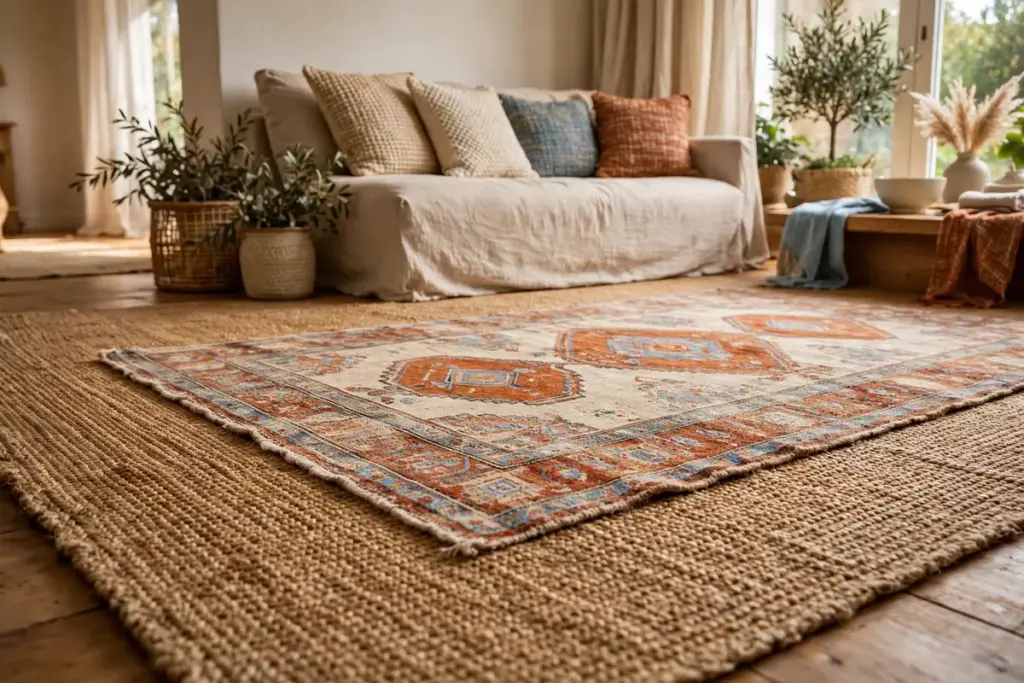
- Start with a large, low-cost jute or flat-weave rug that covers most of the seating area.
- Add a smaller vintage rug on top, leaving at least 12 inches of the base rug visible on each side.
- Choose rugs with one shared colour, such as rust or soft blue, to keep the layers feeling connected.
- Use a non-slip rug pad to stop the top layer from moving, especially in homes with children or pets.
- Keep furniture legs on the base rug only, so the top layer stays flat and easy to clean.
For another relaxed styling direction, explore these boho living room ideas. A thrifted top rug often costs $25 to $60, compared with $120 to $250 new, plus $15 for a rug pad. This layered look adds pattern and warmth without buying a large statement rug, and it works well in rentals because both layers can move with you.
Textile Sofa Swarm
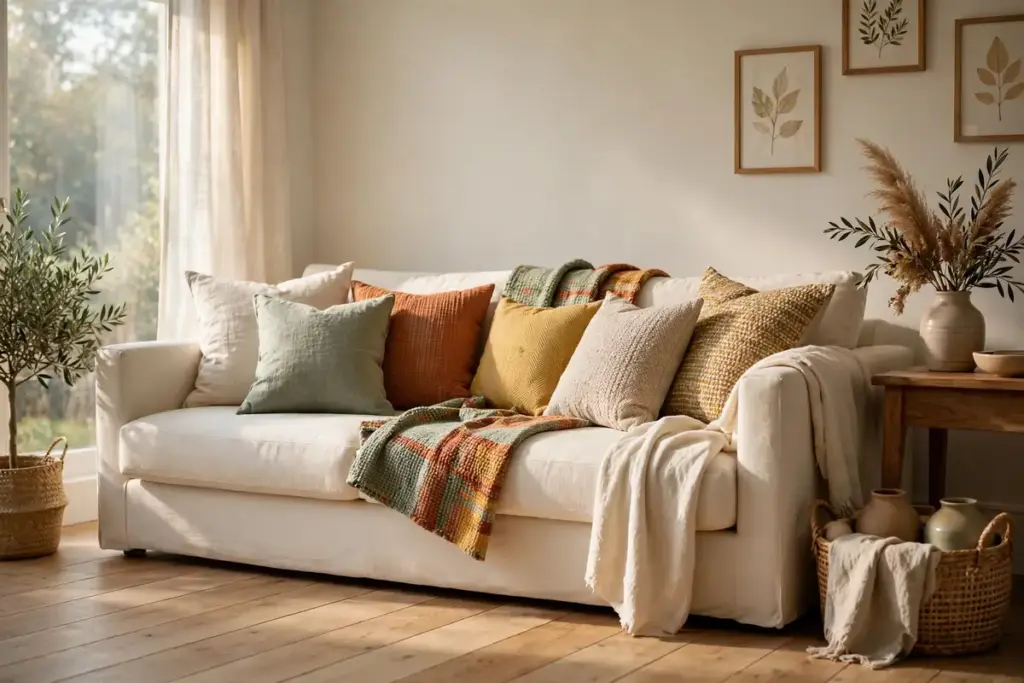
Option One: A small group of cushions in three patterns, such as stripes, a small floral, and a solid colour, keeps the sofa looking lively without feeling busy. This option works well when the sofa is plain and the room needs texture.
Option Two: A larger mix of five or six cushions in different sizes can feel collected, but it needs a shared colour and a calm base. This option suits a longer sofa, while a small sofa can look crowded if every cushion competes for attention.
A textile swarm works when one colour repeats across cushions, throws, and a small rug. Thrifted cushions often cost $4 to $10 each, compared with $25 to $45 new, and washable covers make the mix practical. Keep one cushion as the wildcard, leave space to sit comfortably, and fold one throw neatly to avoid a cluttered seat.
Slipcover Only Refresh
DO
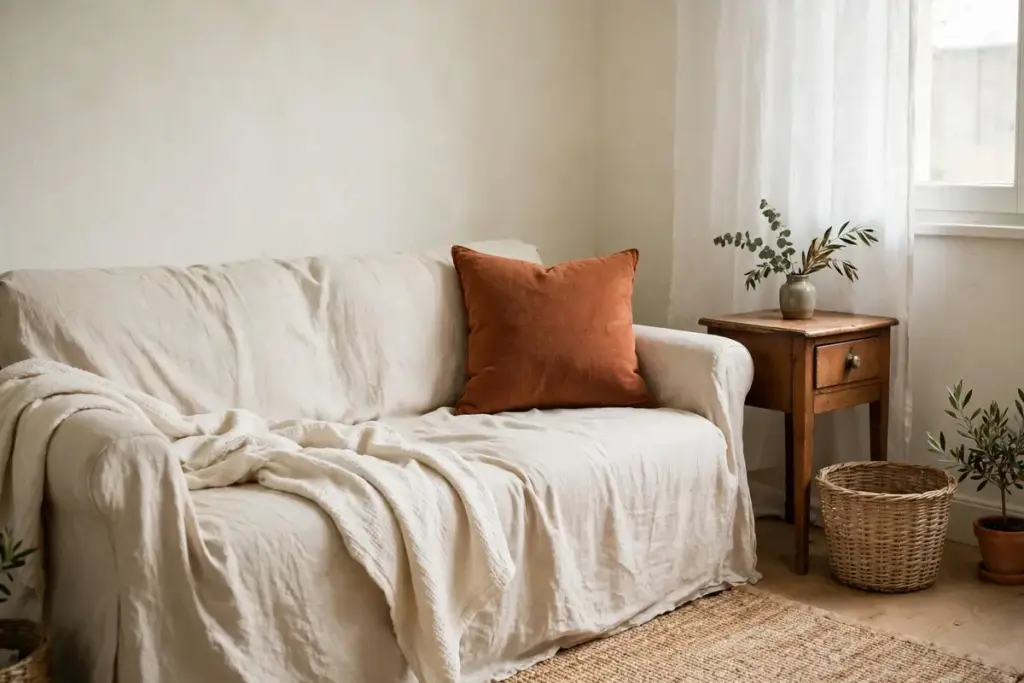
- Keep the sofa and rug calm so the slipcover becomes the main change.
- Choose a washable fabric that suits pets, children, and everyday use.
- Repeat the slipcover colour in one cushion and one small object.
- Leave the arms and back smooth, with no extra throws piled on top.
DON’T
- Do not add a bold patterned rug at the same time.
- Do not mix a second strong colour in the same view.
- Do not cover a good sofa with a slipcover that hides its shape.
- Do not place a second statement chair directly beside the sofa.
A slipcover refresh costs about $60 to $140 new, or $20 to $45 thrifted, plus $10 for washing and steaming. This shop-your-home-first idea works when the sofa shape is good but the colour or fabric feels tired. Keep the rest of the room quiet, and the new cover will look intentional rather than like a temporary fix.
Ornate Mirror Clash
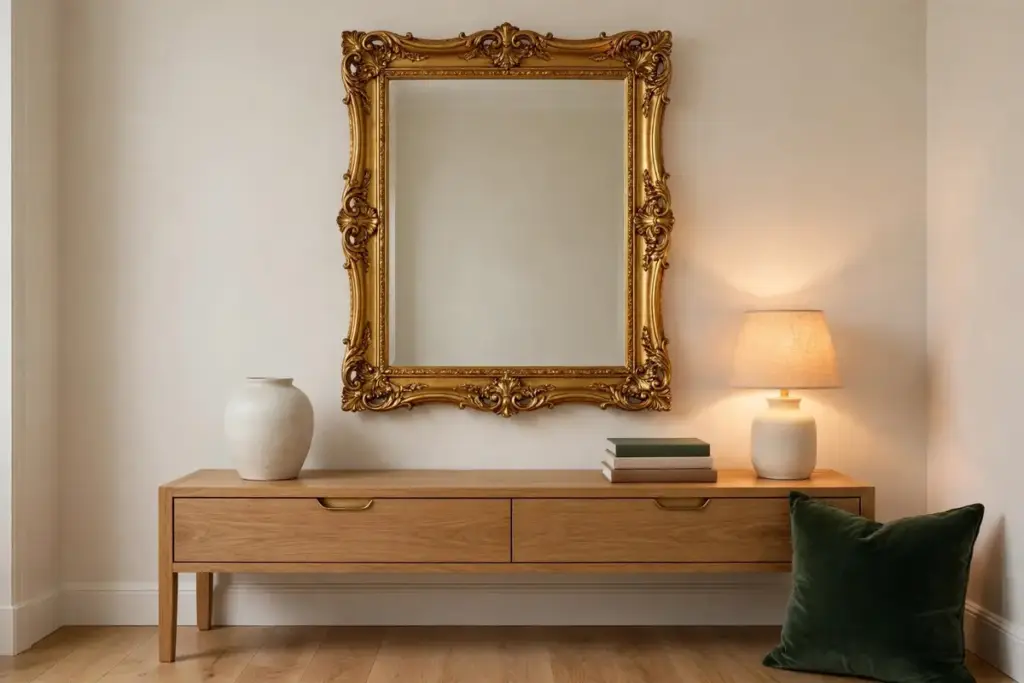
Option One: An ornate mirror above a plain console creates a clear focal point without needing extra decoration. The gold frame becomes the wildcard, while the console, vase, and books stay calm and simple.
Option Two: A simpler mirror with one ornate object beside it can feel softer and easier to live with. This option works well in a narrow room, where a very large frame could dominate the wall and block the sense of space.
An ornate mirror costs about $35 to $75 thrifted, compared with $120 to $220 new, plus $10 for Command strips or freestanding support. Hang it at eye level, keep the surface below clear, and repeat the gold tone once more in a lamp base or picture frame. Dust the frame weekly, and keep the mirror away from direct sunlight to protect its finish.
Peel Stick Accent Wall
Quick Tip:
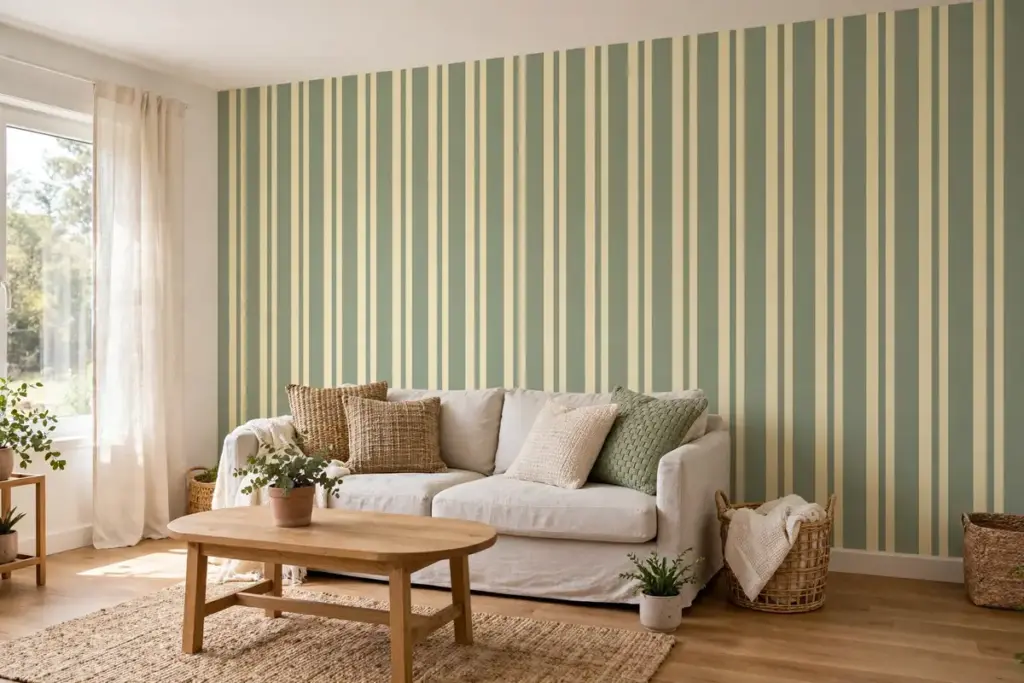
Measure the wall twice and order one extra roll to cover pattern matching and mistakes. Start at a corner, smooth the paper slowly from the centre outward, and keep a hairdryer nearby to help the edges stick in a cool room.
Peel-and-stick wallpaper costs about $30 to $60 for one wall, compared with $80 to $150 for traditional wallpaper and paste. It suits rentals because it removes cleanly, and it adds pattern without paint. For more renter-friendly inspiration, see these apartment living room ideas. Keep the remaining walls plain, repeat the sage tone in cushions, and leave the wall free of extra art so the pattern stays the star.
Command Strip Molding
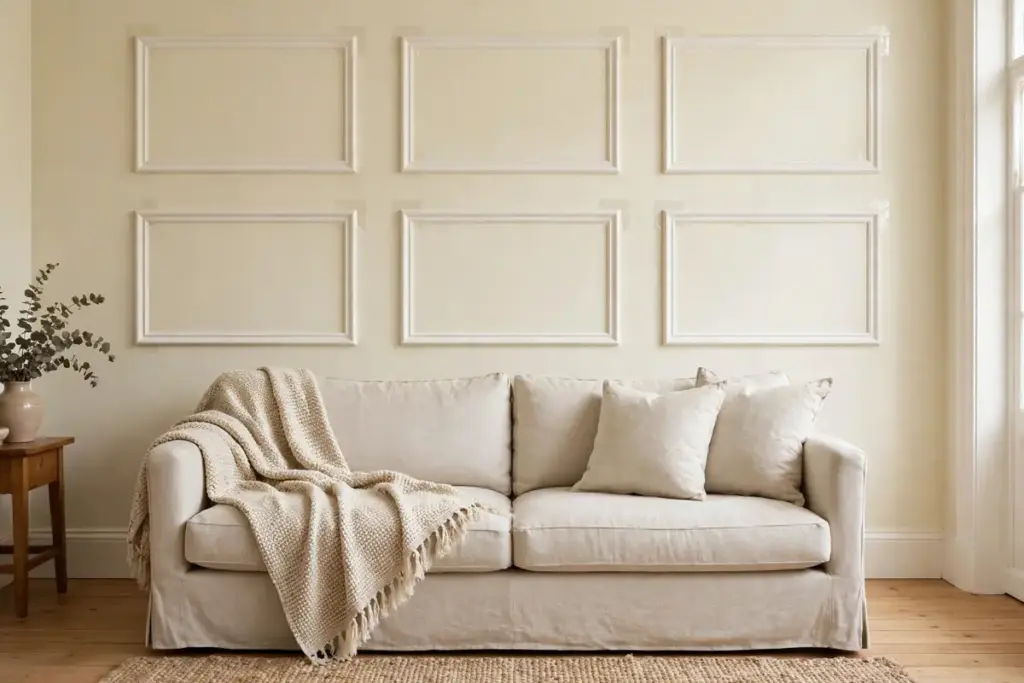
- Choose lightweight foam or PVC molding that weighs less than 2 pounds per piece.
- Use large Command strips rated for the molding weight, and press each strip firmly for 30 seconds.
- Paint the molding the same colour as the wall for a subtle architectural effect.
- Keep the rectangles evenly spaced, with at least 6 inches between each frame.
- Add one framed print inside a single rectangle to create a clear focal point.
Command strip molding costs about $25 to $45 for materials, compared with $120 to $200 for installed wood molding. This renter-safe method needs no drilling, and the molding removes cleanly when you move. Keep the sofa and rug calm, repeat the wall colour in cushions, and let the molding add quiet structure.
Freestanding Display Wall
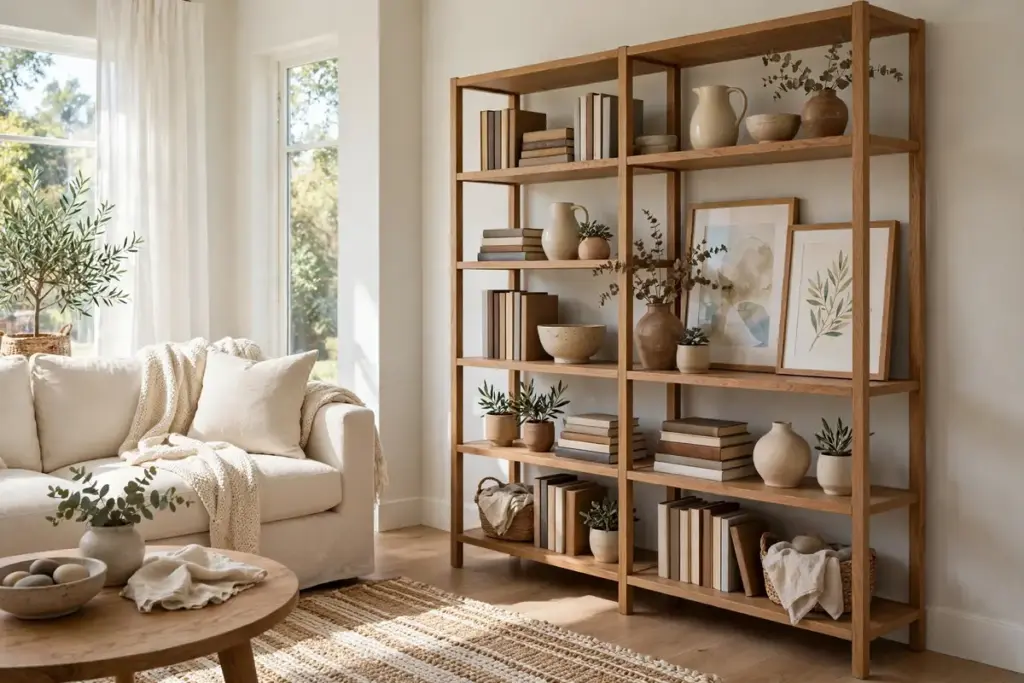
BEFORE
Before, a blank wall and a low sofa left the room feeling unfinished, and small objects were scattered across tables and the floor. The space lacked height, and the eye had nowhere to rest.
AFTER
After, a tall freestanding shelf creates a display wall without drilling or permanent fixings. Books, ceramics, and art sit at different heights, while the floor stays clear and the room feels taller.
A freestanding display wall suits renters because it can move, change, and grow with the room. Thrifted shelving often costs $40 to $90, compared with $150 to $300 new, plus $10 for anti-tip straps. Keep the heaviest books low, leave breathing room on each shelf, and repeat one material, such as oak or brass, three times across the display.
Plug-In Sconce Bridge
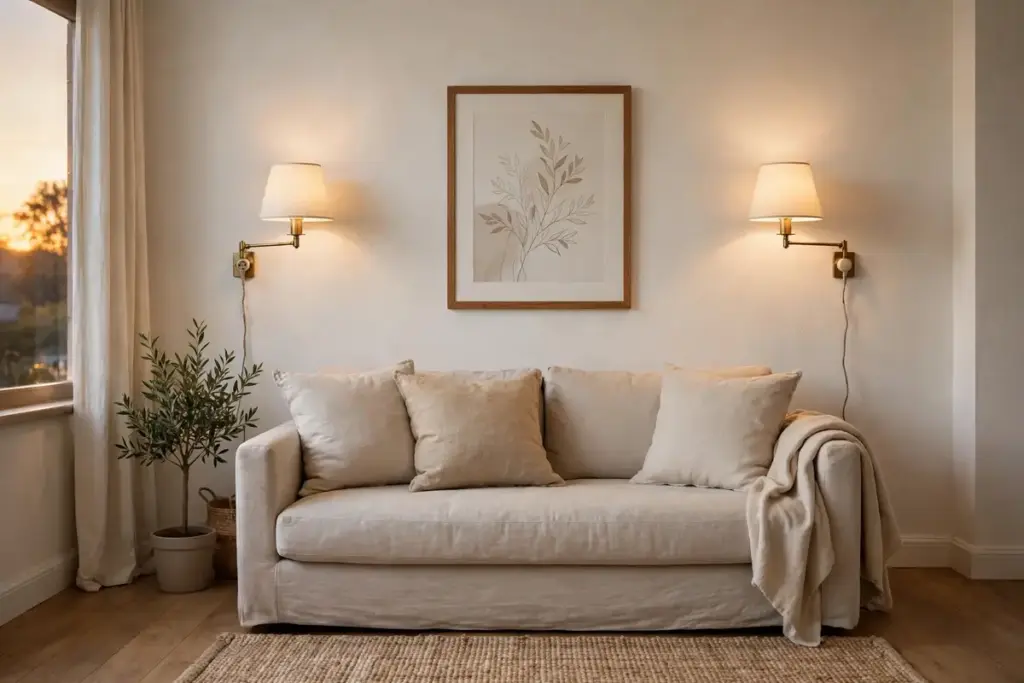
BEFORE
Before, the wall above the sofa relied on one ceiling light, which cast harsh shadows and left the seating area feeling flat. The artwork looked dull, and the room felt cold after dark.
AFTER
After, two plug-in sconces add warm pools of light that frame the artwork and soften the seating area. The cord covers blend with the wall, and the room feels layered without any electrical work.
Plug-in sconces cost about $35 to $70 each new, or $15 to $30 thrifted, plus $12 for cord covers. They suit renters because they need no drilling or wiring, and they can move to the next home. Keep the shades at the same height, repeat the brass tone once more, and use warm bulbs for a calm evening glow.
Glass Cabinet Collections
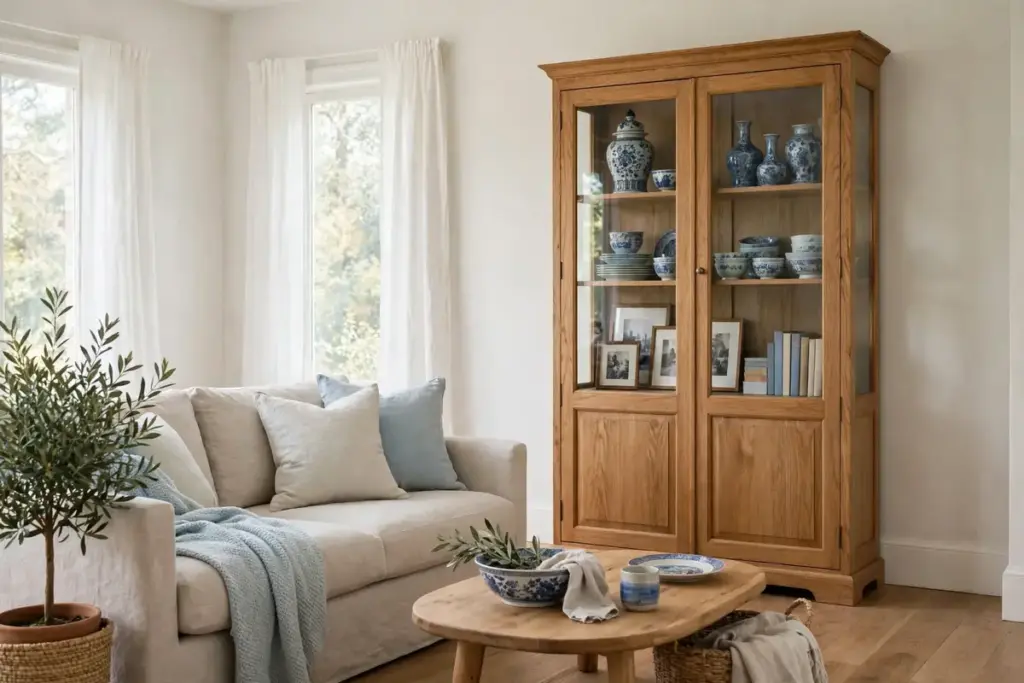
- Start with one closed cabinet that protects objects from dust while keeping them visible.
- Group objects by colour or material, such as blue ceramics, clear glass, or warm wood.
- Leave breathing room between groups so each collection reads clearly.
- Add one small light inside the cabinet to highlight the display in the evening.
A glass cabinet costs about $60 to $120 thrifted, compared with $180 to $350 new, plus $8 for transport. Closed doors keep dust off collections and reduce weekly cleaning, which matters in a busy home. Keep the cabinet in one clear view, repeat its colour once more in the room, and let one unusual object act as the wildcard.
Washable Pet Textiles
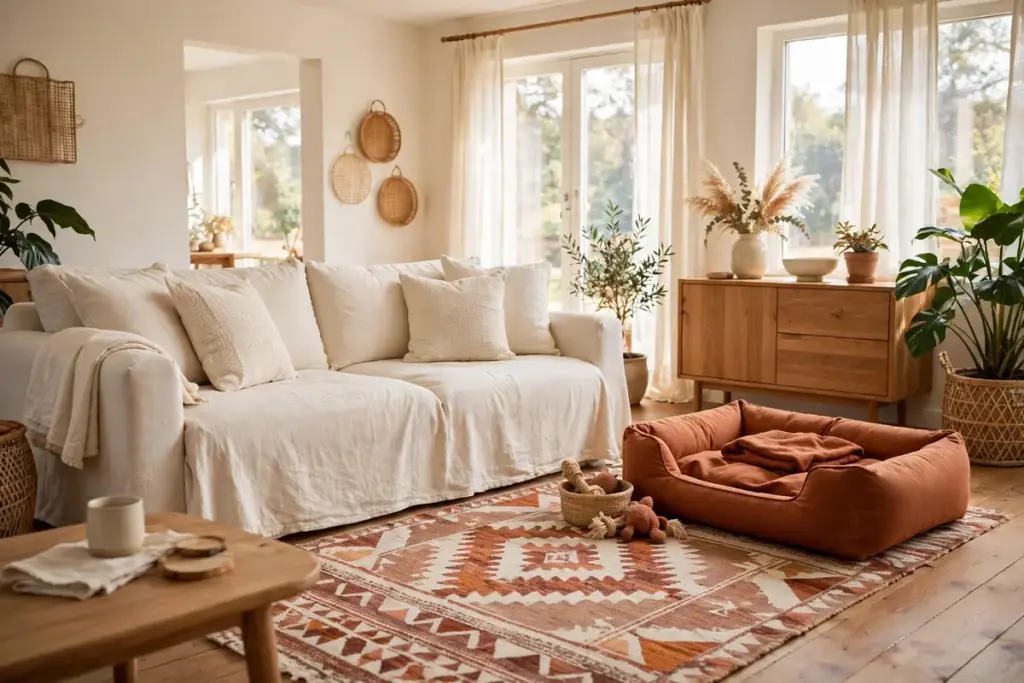
Option One: Washable sofa covers and cushion covers make cleaning simple after muddy paws, spills, and everyday use. This option suits homes with dogs or cats that share the sofa, and it keeps the room looking fresh with regular washing.
Option Two: Washable rugs and throws offer a lighter update when the sofa is already practical. This option works well in a small room, where a washable rug can be shaken outside and cleaned without moving heavy furniture.
Washable textiles cost about $40 to $90 for a sofa cover, $25 to $60 for a rug, and $15 to $30 for cushion covers. Choose fabrics that survive frequent washing, keep pet beds in a matching colour, and avoid delicate trims that trap hair. A calm base, one repeated colour, and one washable wildcard cushion keep the room practical and personal.
Trunk Coffee Table
Quick Tip:
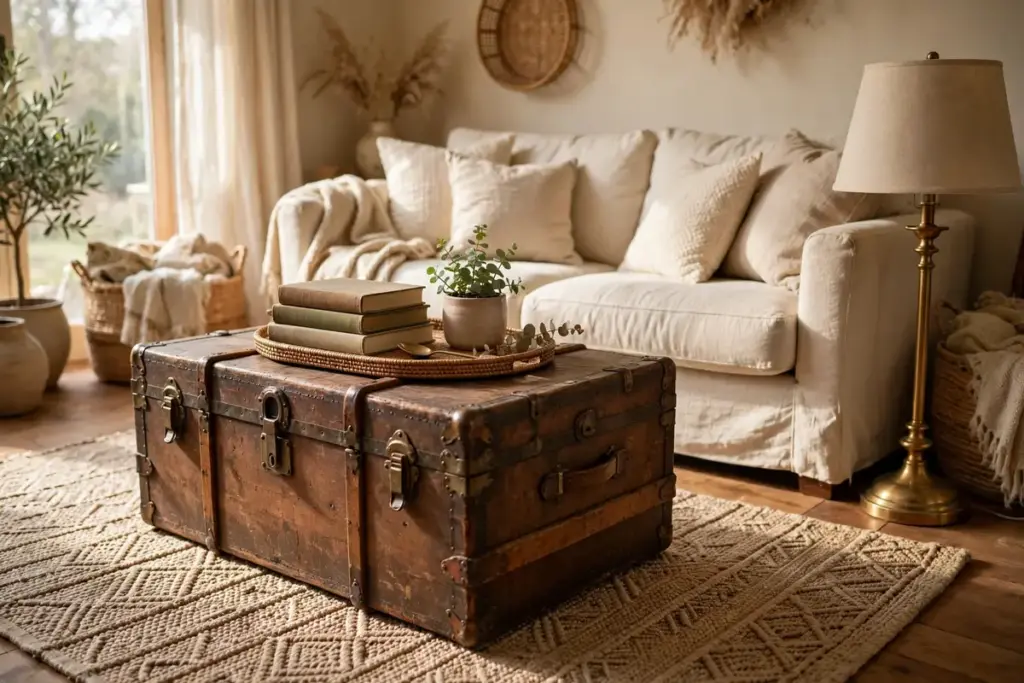
Choose a trunk that is 16 to 18 inches high so it sits comfortably beside the sofa. Add felt pads underneath to protect the floor, and keep the lid clear enough to open for storage.
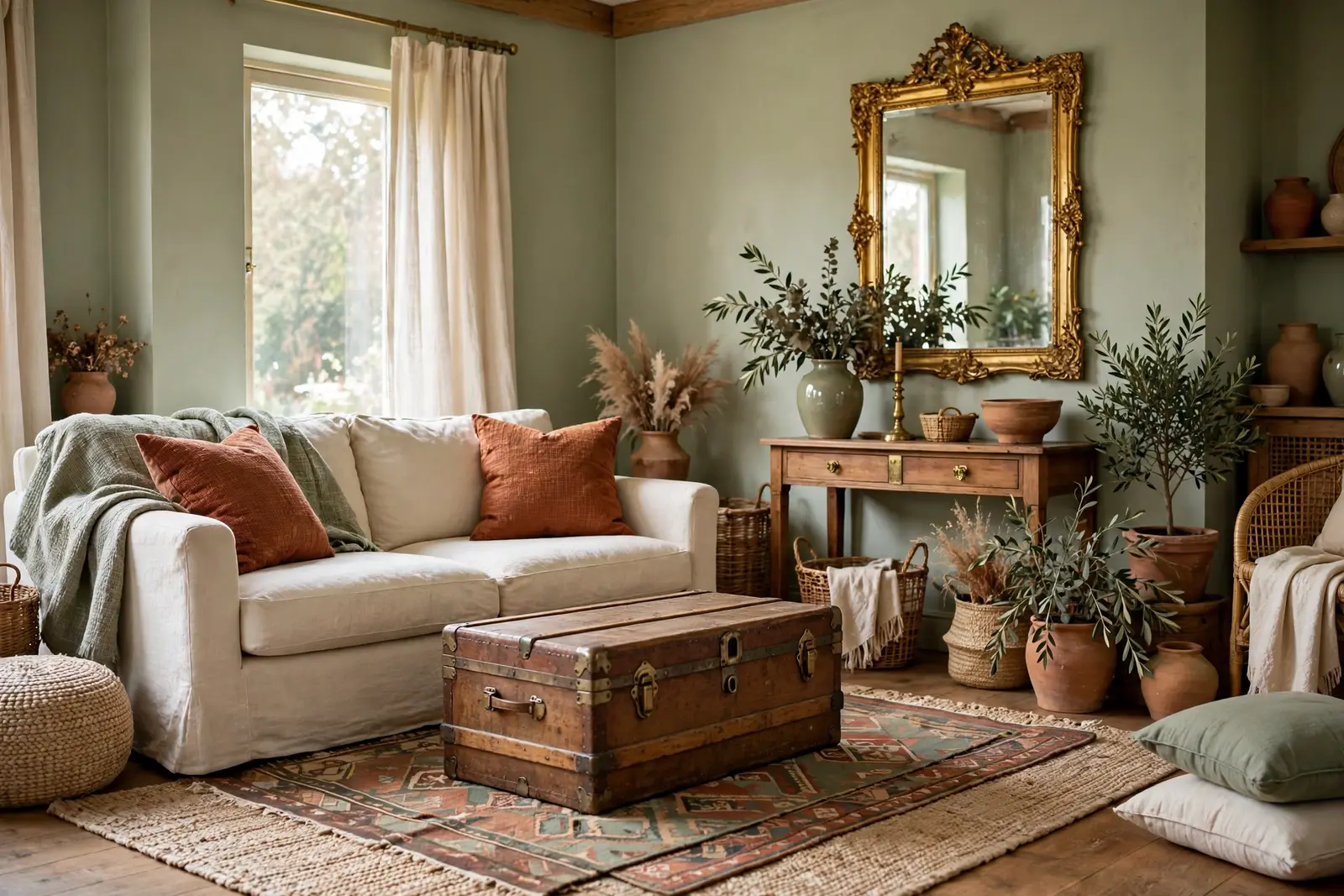
A vintage trunk costs about $30 to $70 thrifted, compared with $120 to $220 new, plus $8 for felt pads and cleaning. It adds storage for blankets, games, and seasonal items while keeping the floor clear. Keep the top simple, repeat the wood tone in a side table, and leave space to walk around the trunk easily.
Wildcard Chair Rule
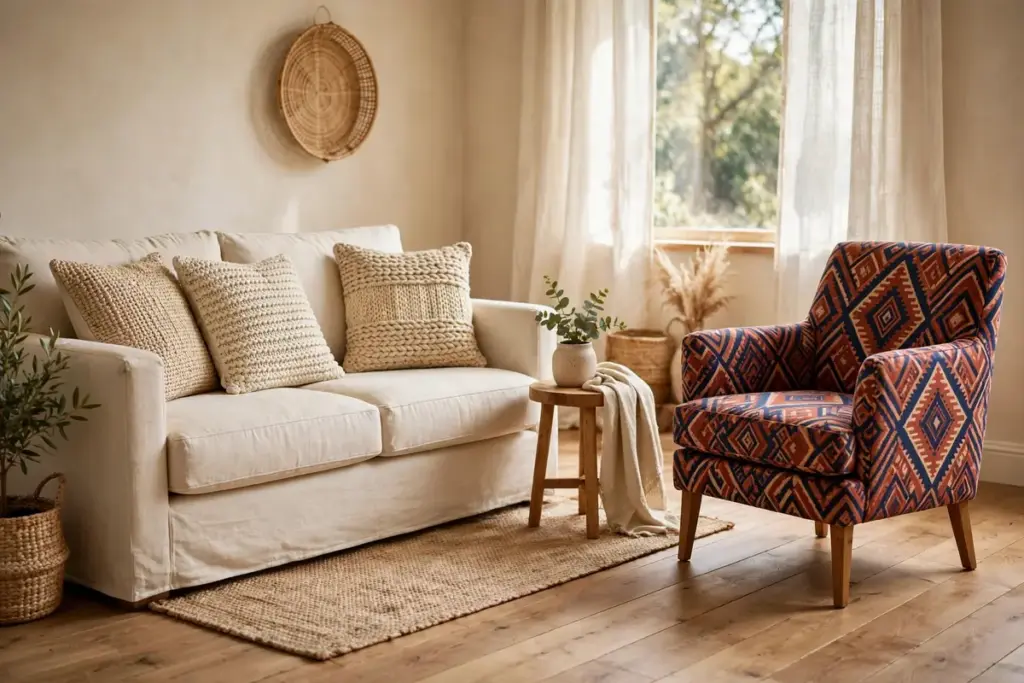
Cost: $40 to $90 thrifted, $180 to $320 new, plus $10 for cleaning.
Time: One afternoon to source, clean, and place the chair.
Skill Level: Beginner, with no tools needed.
Best For: Small rooms that need one clear focal point.
One wildcard chair adds personality without overwhelming a small room. Keep the sofa, rug, and walls calm, repeat one colour from the chair in a cushion and a small object, and leave clear space around the chair so it reads as a deliberate choice. A thrifted chair often needs only a good clean and a new cushion to feel fresh.
Colour Drenched Nook
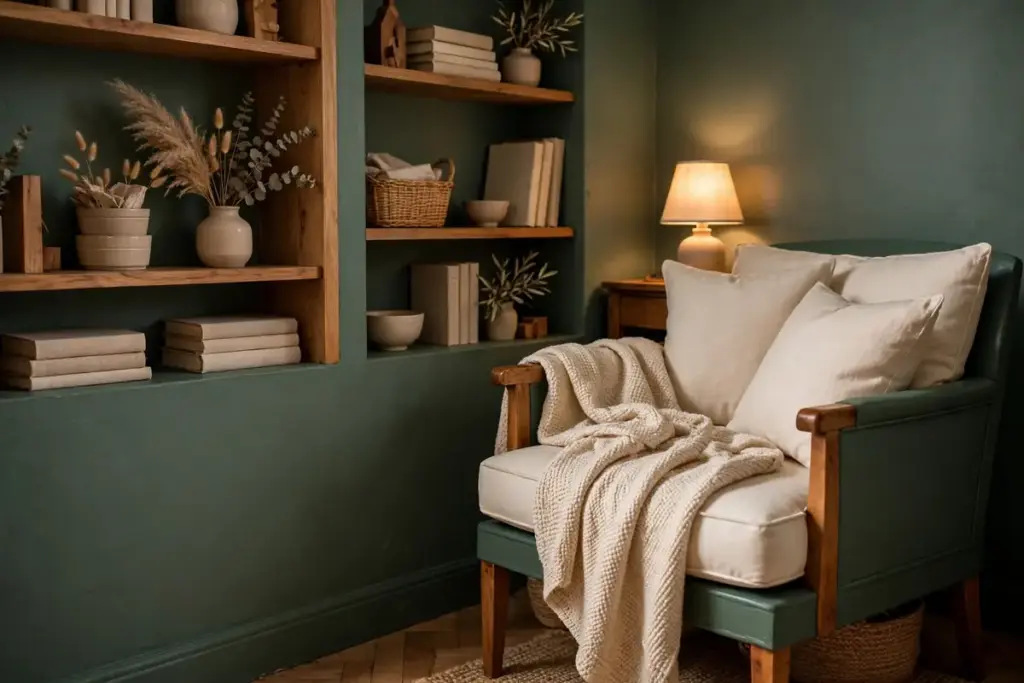
Bold colour in a small space can feel brave, but a single nook keeps the risk contained. Painting one corner, alcove, or shelving unit in a deep tone creates depth without closing in the whole room.
Choose a deep sage, navy, or rust paint and use it on the walls, shelves, and trim within the nook only. Keep the main sofa and rug pale, repeat the nook colour in one cushion and one book spine, and add warm lamplight to soften the edges. A litre of paint costs about $18 to $30, plus $10 for brushes and tape, and the nook can be repainted easily when you move.
Oversized Diptych Drama
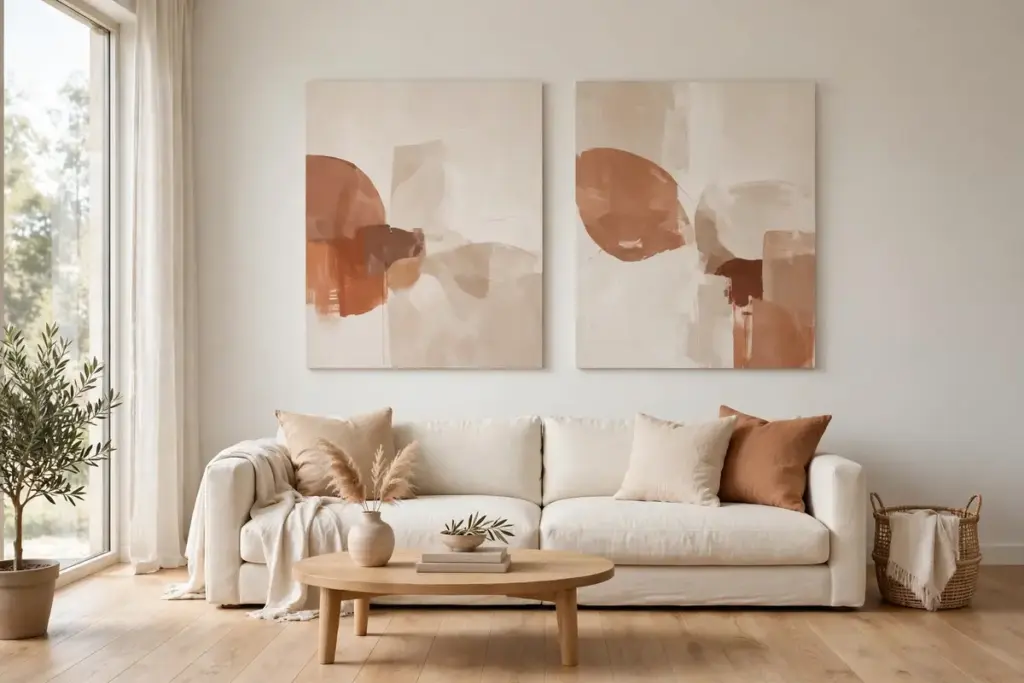
- Choose two panels that share one colour and a similar level of contrast.
- Hang the panels with a 2 to 3 inch gap between them, centred above the sofa.
- Keep the sofa and rug calm so the artwork becomes the main focus.
- Use lightweight canvas or foam board to keep the panels easy to hang with Command strips.
- Repeat the rust tone once more in a cushion or a small vase.
An oversized diptych costs about $40 to $80 for two DIY panels, compared with $150 to $300 for bought art. This idea suits renters because lightweight panels hang with Command strips and leave no large holes. Keep the wall free of other art, leave breathing room above the sofa, and let the pair create a calm, gallery-like view.
Rolling Bar Cart
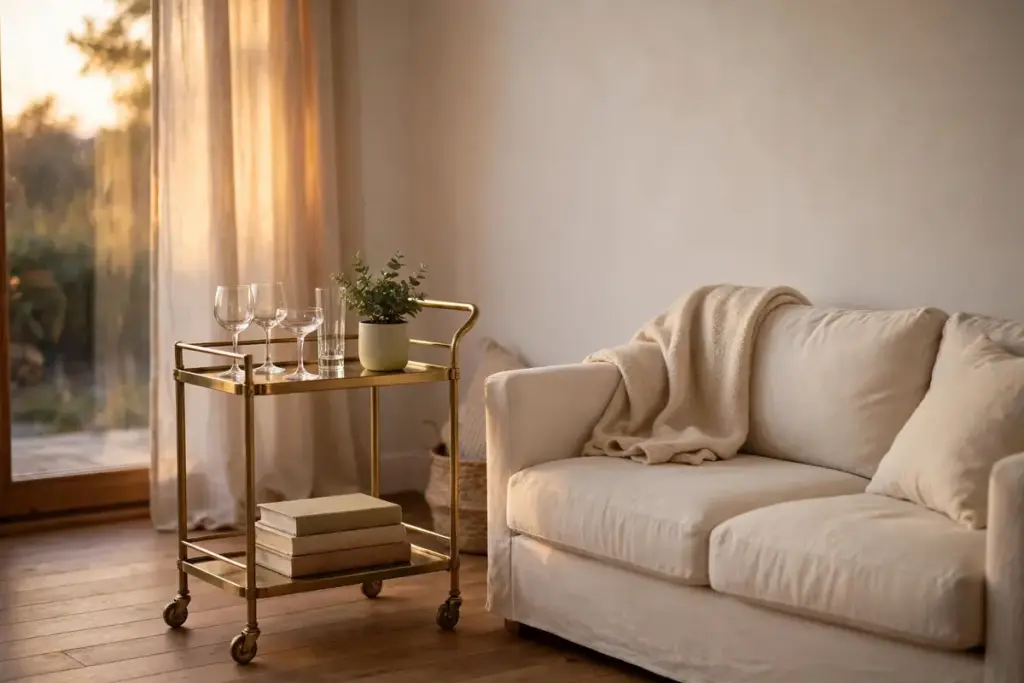
Quick Tip:
Choose a cart with a lower shelf for books and a top tray for glasses, so it works as both storage and a side table. Lock the wheels when the cart is in use, and keep the top clear enough to move the cart easily.
A rolling bar cart costs about $35 to $75 thrifted, compared with $90 to $180 new, plus $8 for cleaning and felt pads. It adds storage without fixed shelving, and it can move beside the sofa, a chair, or a window. Keep the cart styling simple, repeat the brass tone once more, and leave one shelf partly empty so the cart feels useful rather than crowded.
Wavy Mirror Light
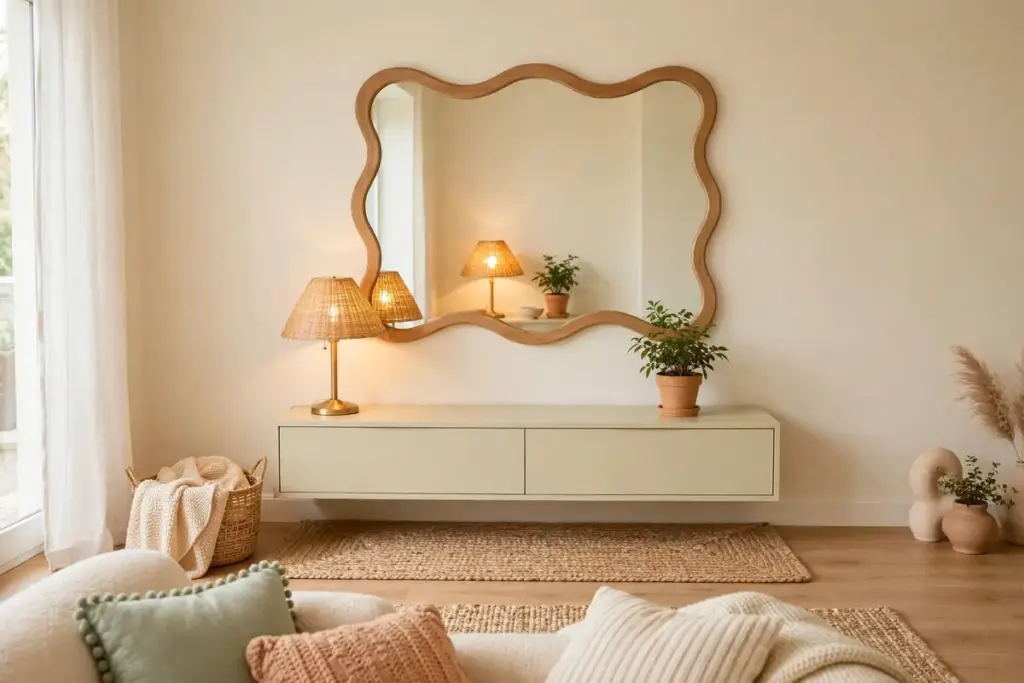
BEFORE
Before, a plain rectangular mirror reflected light but added no character, and the console below felt flat. The wall looked tidy, but it lacked a focal point.
AFTER
After, a wavy mirror softens the straight lines of the console and sofa, while its curved edge catches light from different angles. The mirror becomes the wildcard, while the surrounding furniture stays calm and simple.
A wavy mirror costs about $45 to $85 new, or $20 to $40 thrifted, plus $10 for Command strips or a freestanding stand. Hang it at eye level, keep the console clear, and repeat one curve in a cushion or a rounded vase. This small change adds movement without new furniture, and it suits a narrow wall where a large rectangular mirror could feel heavy.
Global Textile Sourcing
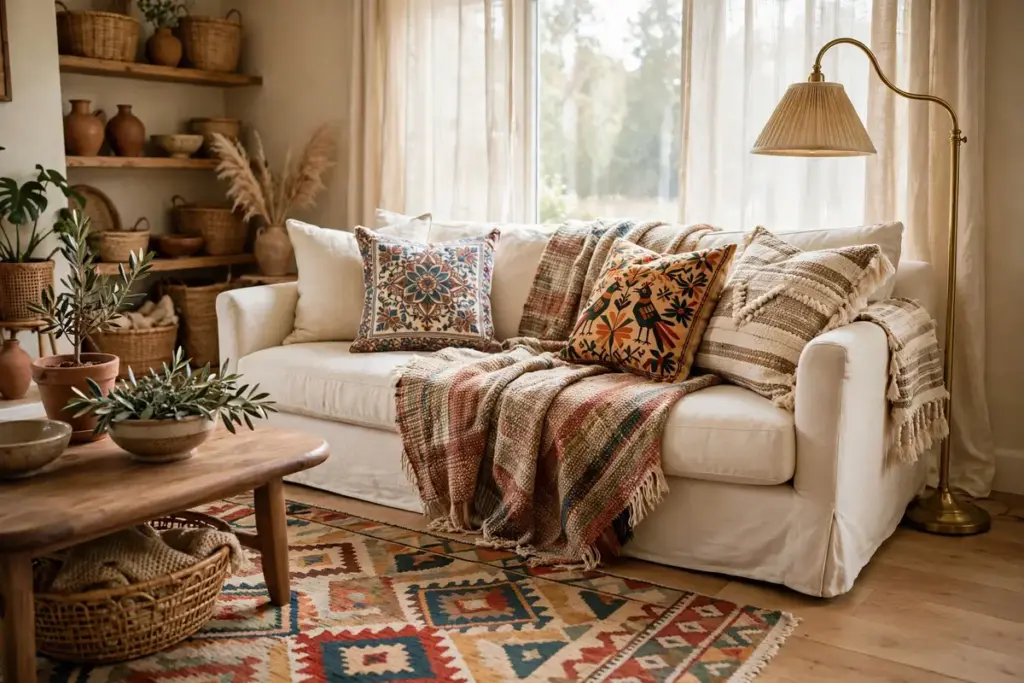
- Start with one textile you love, such as a woven throw or an embroidered cushion.
- Add a second textile from a different region that shares one colour with the first piece.
- Keep the sofa and walls calm so the textiles become the main pattern.
- Mix one rough texture, such as jute, with one soft texture, such as cotton.
- Leave one surface plain, such as a bare side table, to give the eye a rest.
Global textiles often cost $8 to $20 thrifted, compared with $30 to $60 new, plus $5 for washing. Sourcing slowly, one piece at a time, keeps costs low and helps each textile feel personal. Repeat one colour three times, keep the room breathing room, and let one bold pattern act as the wildcard in each view.
Two Metal Limit
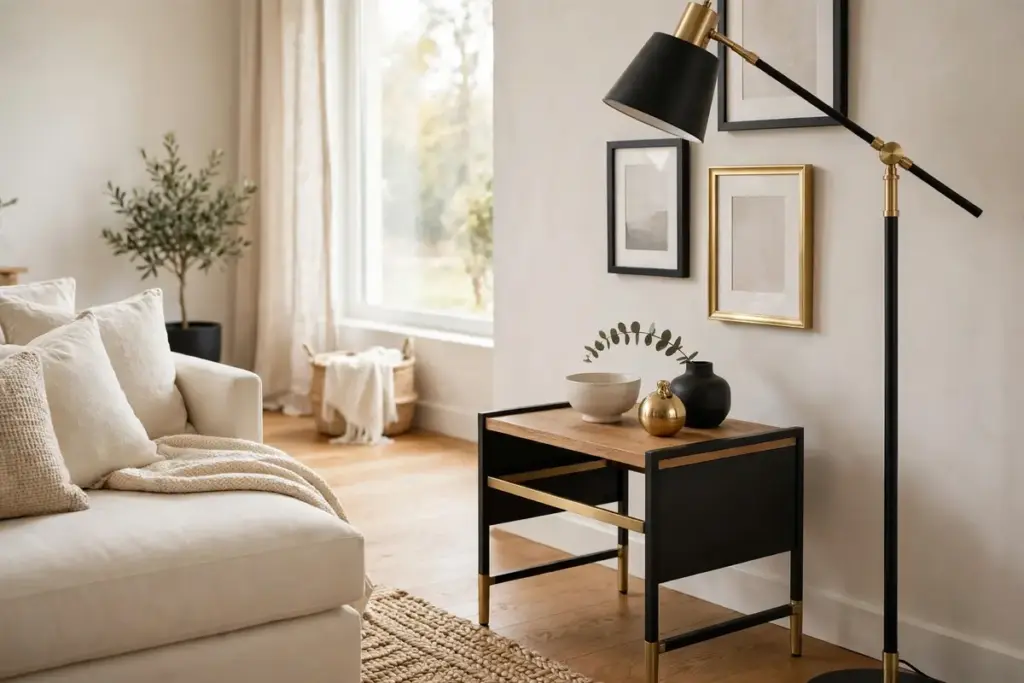
Option One: Brass and matte black create a warm, modern mix that suits many living rooms. Brass appears on a lamp and a frame, while black appears on a side table and a curtain rod, keeping the mix balanced.
Option Two: Chrome and warm wood offer a cooler, lighter mix that works well in a bright room. Chrome appears on a lamp base and a tray, while wood appears on shelves and a coffee table, keeping the metals from competing.
Two metals keep a mixed room feeling calm and deliberate. Thrifted brass lamps often cost $15 to $35, compared with $60 to $120 new, plus $5 for a new bulb. Repeat each metal at least twice, keep the larger furniture calm, and avoid adding a third metal in the same view.
One In One Out
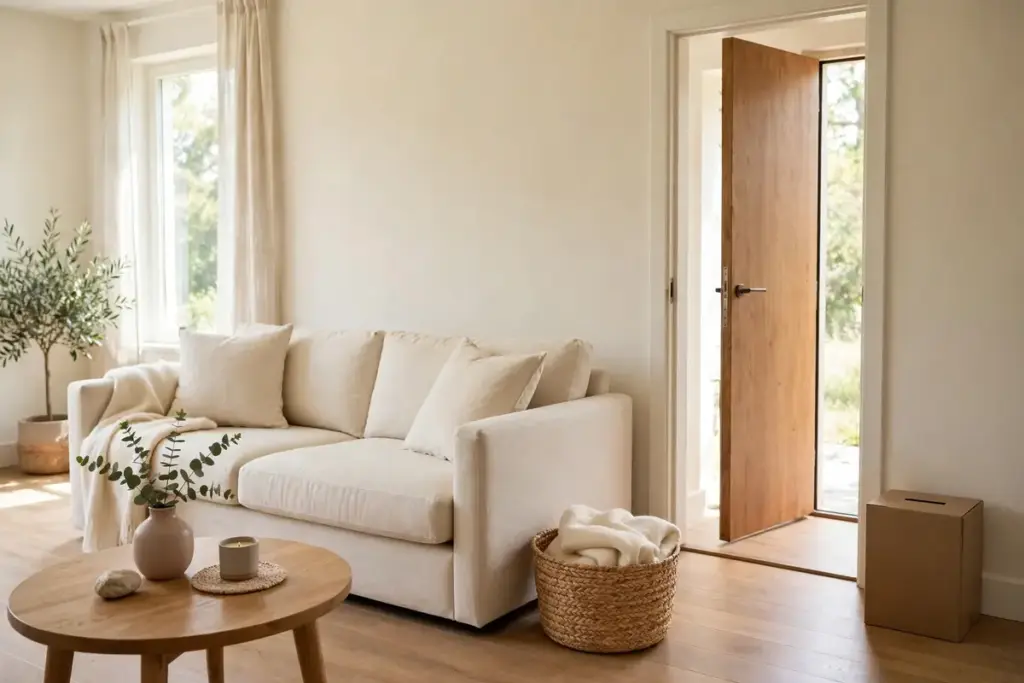
- Before bringing home a new find, choose one object to donate, move, or store.
- Donate or move out the old object on the same day, so it does not gather in a cupboard.
- Keep a small landing spot by the door for items leaving the home.
- Display only the pieces that earn their place, with breathing room between each object.
One in, one out keeps a collected room from becoming cluttered, especially in a small home. This rule costs nothing, but it saves money by slowing impulse buys and keeping storage clear. Keep the sofa and rug calm, repeat one colour three times, and let each new find replace, rather than crowd, an old favourite.
Shared Thread Zones
DO
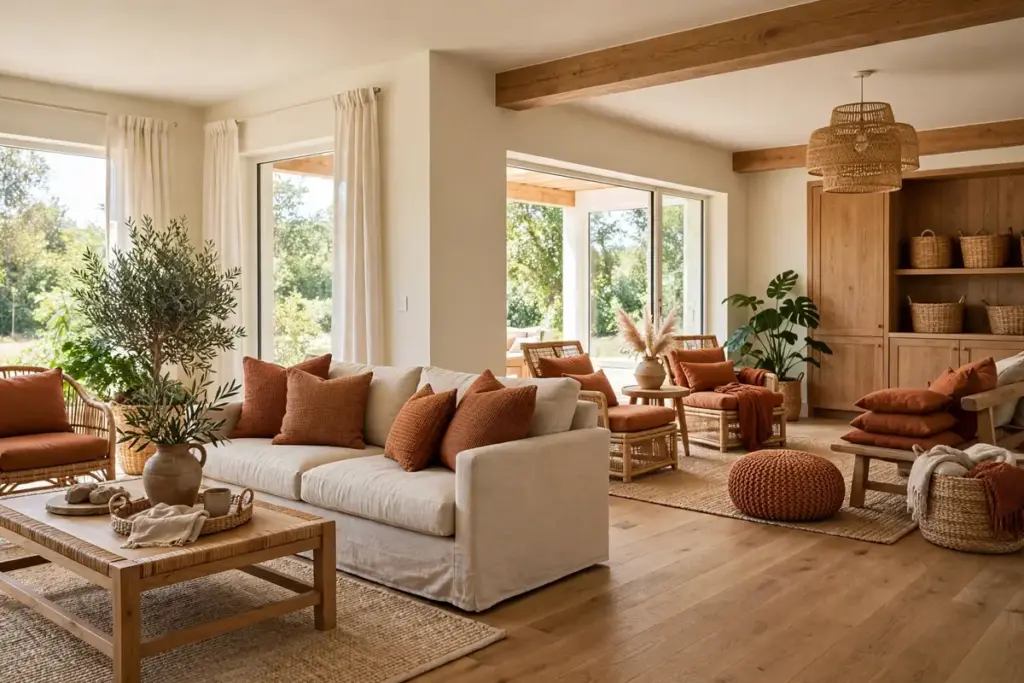
- Keep the sofa and rug calm in each zone so the shared thread stands out.
- Repeat one colour in at least three places across the whole room.
- Repeat one material, such as oak or brass, in each zone.
- Leave clear sightlines between zones so the room feels connected.
DON’T
- Do not give each zone a different strong colour.
- Do not add a second wildcard in the same view.
- Do not block the walkway between zones with extra furniture.
- Do not mix more than two metals across the whole room.
Shared thread zones help an open-plan room feel connected without matching furniture. This idea costs nothing if you rearrange what you already own, or $20 to $50 for one new cushion or throw. Keep each zone calm, repeat the thread three times, and let one wildcard per view keep the room feeling collected.
Conclusion
Start with one idea, not all 24. Choose the change that feels easiest, try it for a week, and notice how the room feels at different times of day. With one calm base, one repeated thread, and one bold choice at a time, your eclectic living room can grow slowly and stay personal. Save this post on Pinterest, try one or more of these ideas, and share it with a friend who loves a collected home.