23 Clever Living Room Designs That Save Small Spaces

Living Room Designs That Save Small Spaces
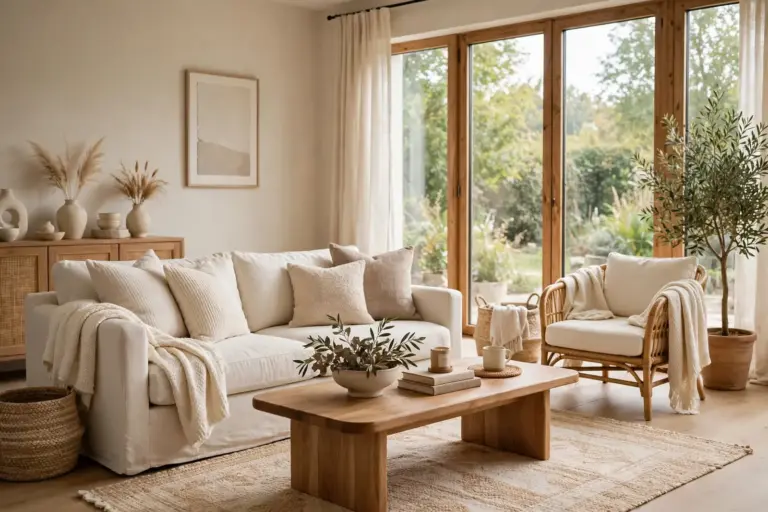
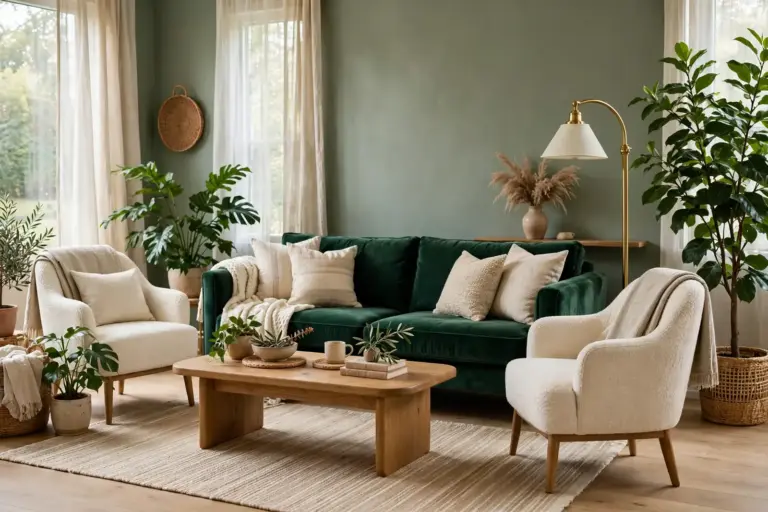
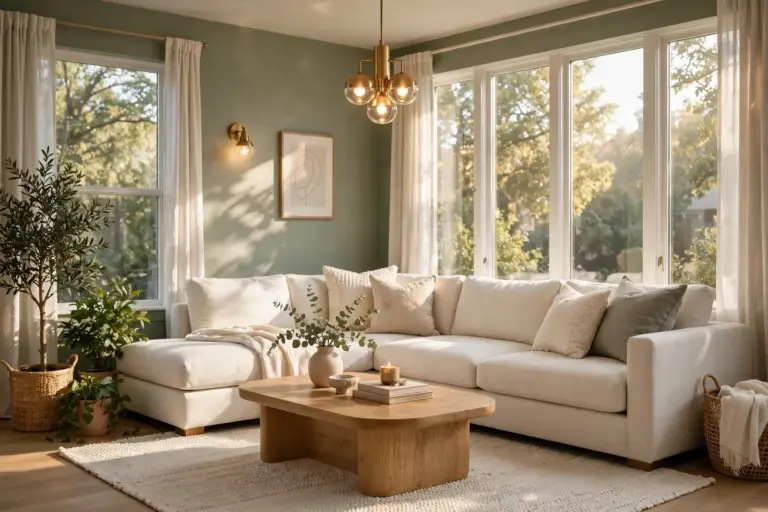
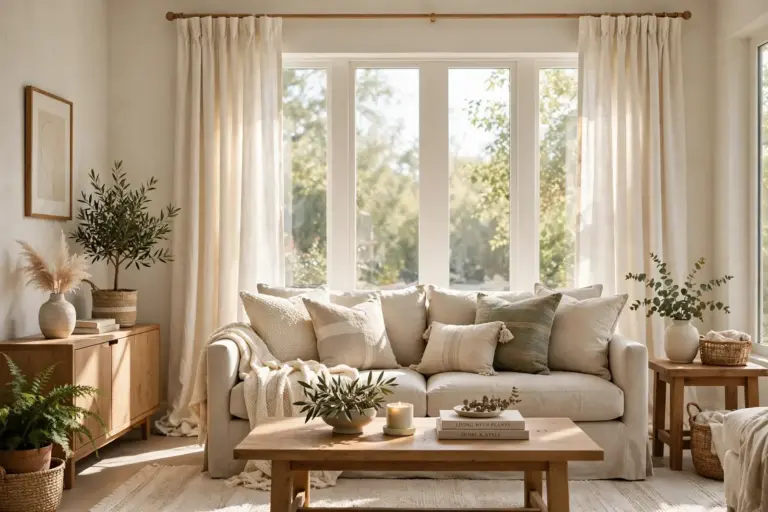
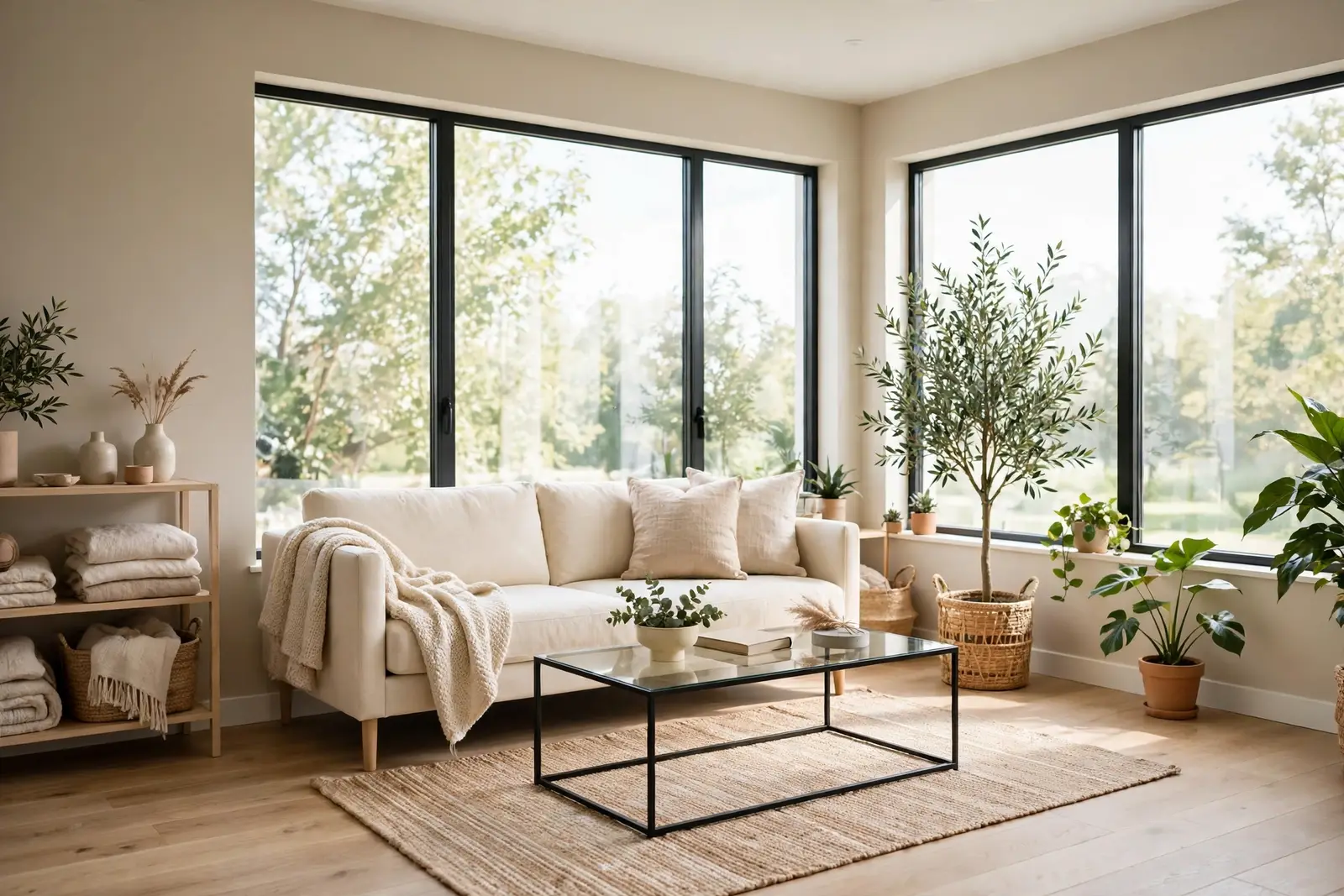
Small rooms can have big style, especially when every furniture choice has a purpose. The secret to beautiful living room designs small spaces is knowing how to arrange furniture, use light, and make every corner work harder.
Whether you’re decorating a tiny apartment, a compact family room, or a narrow living area, the right design choices can make your home feel more open and comfortable. You don’t need expensive renovations or oversized furniture to create a room you love.
From clever storage ideas to space-saving seating arrangements, these 23 practical designs will help you make the most of your square footage. Each idea offers inspiration you can adapt to your own home, even if you’re working with a tight budget or renting.
1. Clear Walkway First
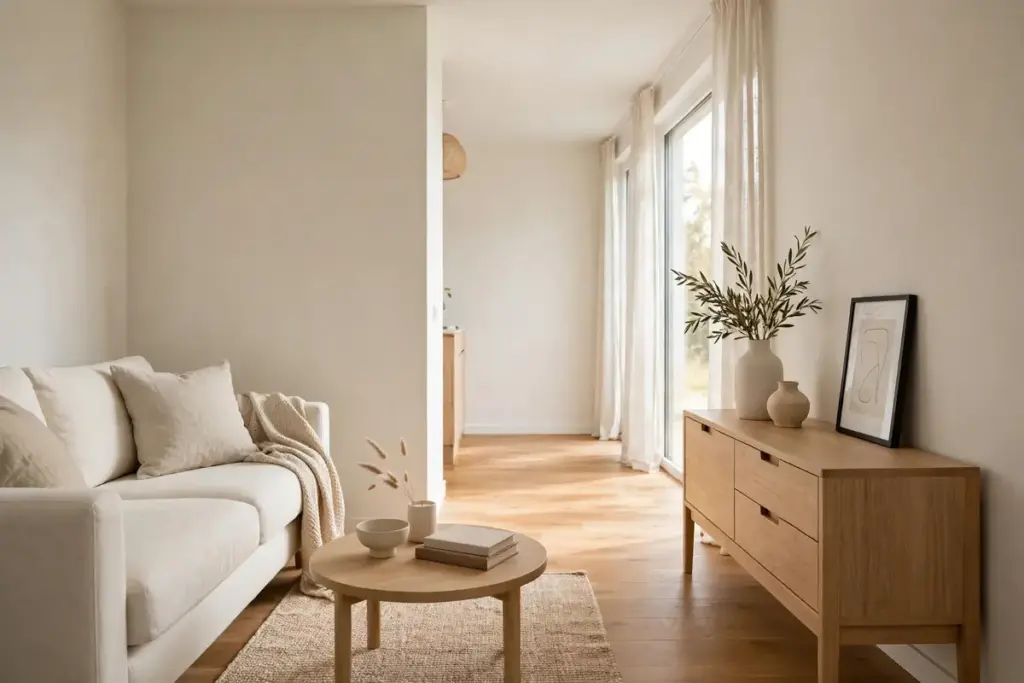
A clear walkway makes even the smallest living room feel more comfortable. Instead of filling every available corner with furniture, start by identifying the main route people use to move through the space. Keep that path open before deciding where your sofa, chairs, and tables will go.
When you protect the walkway first, you avoid the cramped feeling that comes from squeezing past furniture. Leave at least 30 inches of clear space for the main path, and use that as your guide for placing everything else. The room will feel larger and easier to use.
2. Sofa Longest Wall
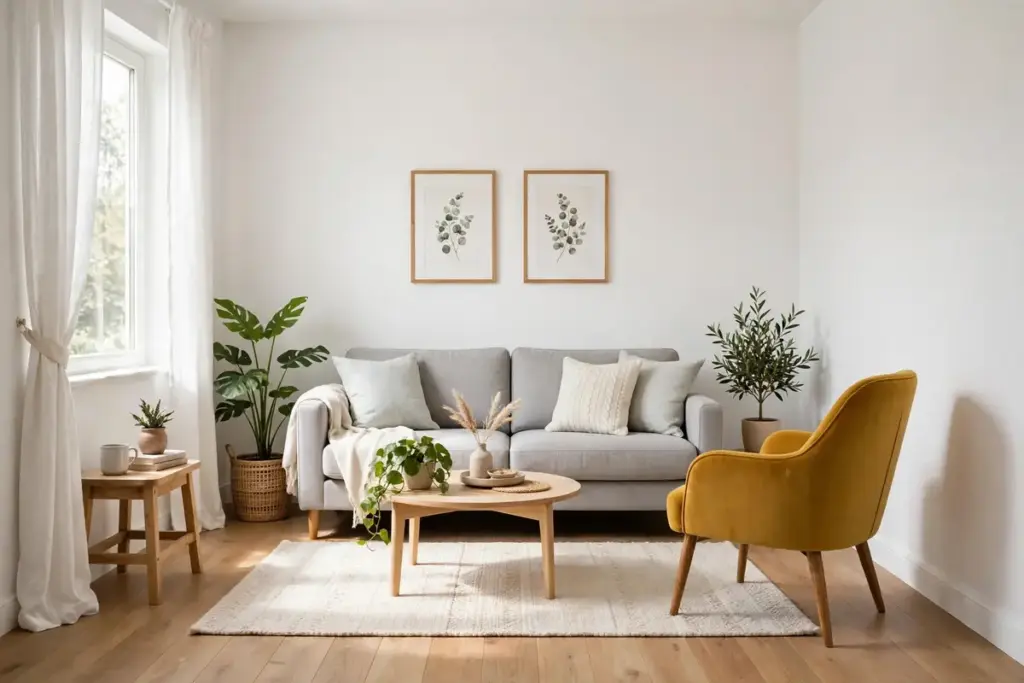
- Place the sofa against the longest wall to create a natural focal point and leave the rest of the room open.
- Add one accent chair at an angle to encourage conversation and keep the layout balanced.
- Leave at least 30 inches of walking space between the sofa and other furniture.
- Use a slim side table instead of a large coffee table to keep the center clear.
- Choose a low-profile sofa to make the room feel taller and more spacious.
Starting with the longest wall gives your living room an instant sense of order. It prevents the sofa from blocking windows or doorways and creates a natural flow. In my experience, this simple choice makes a small room feel more open and easier to use every day.
3. One Focal Point
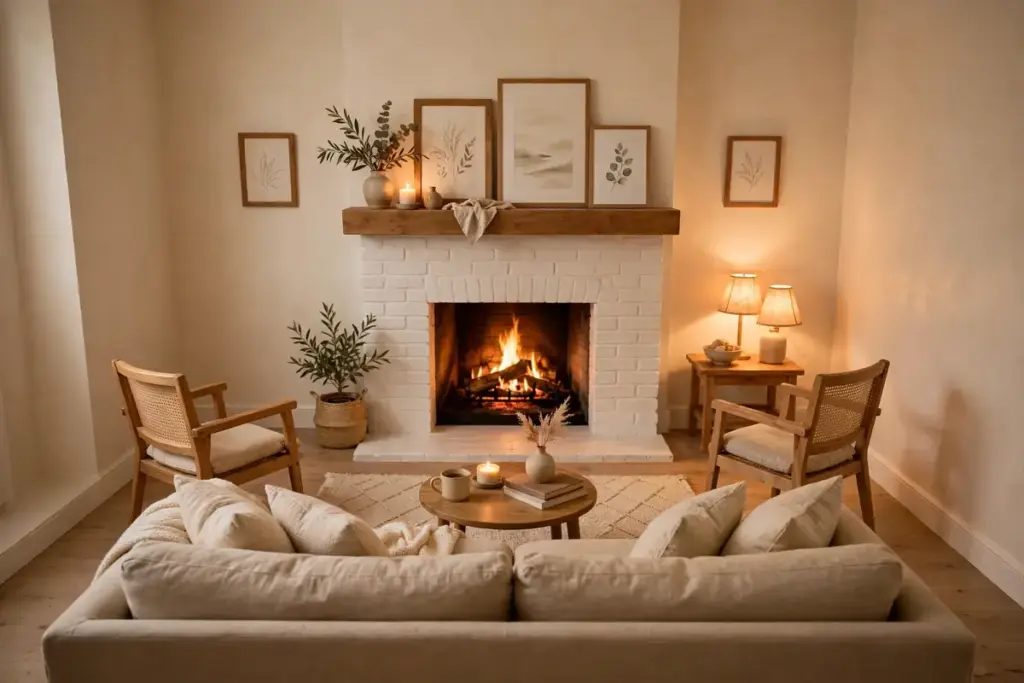
Quick Tip:
Pick the feature you want people to notice first, then arrange your furniture to face it. Keep other elements simple so they support that focal point instead of competing with it.
A single focal point gives your living room a clear purpose. It could be a fireplace, a large window, or a TV mounted on the wall. When everything else supports that one feature, the room feels calm and organized instead of scattered.
4. Right Rug Size
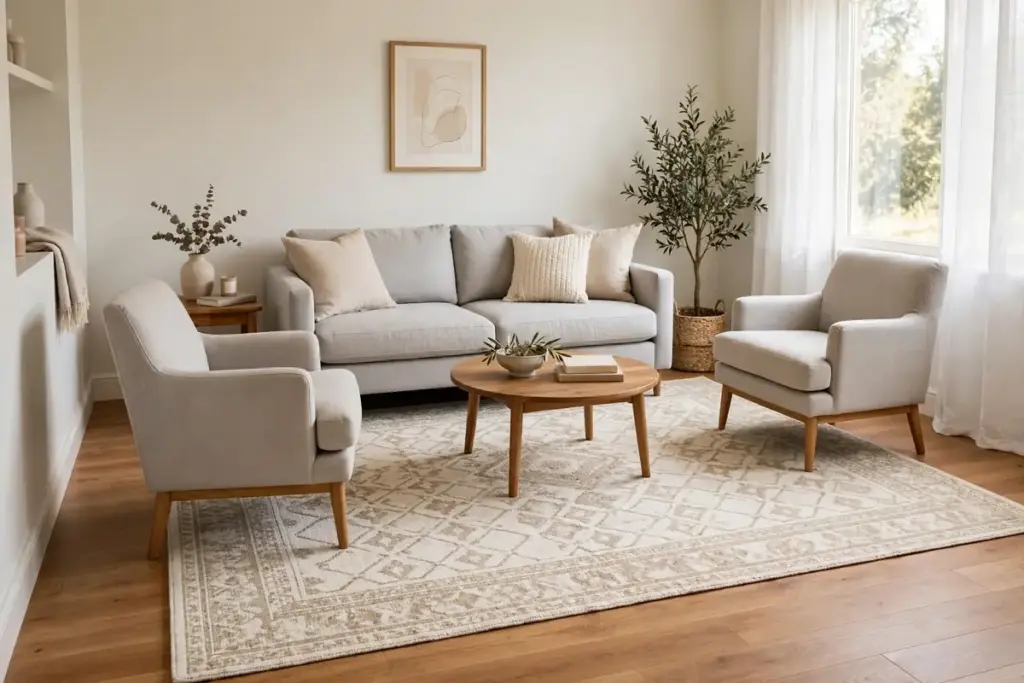
BEFORE: A small rug floats in the middle of the room, leaving the sofa and chairs disconnected. The space feels scattered and the furniture looks like it is floating without purpose.
AFTER: A larger rug anchors all the front legs of the seating, creating one clear zone. The room feels grounded and the furniture looks intentional and connected.
Choosing a rug that is big enough for your seating area makes a huge difference. It defines the living zone and pulls the furniture together visually. Measure your space before buying, and aim for a rug that extends at least 6 inches beyond the sofa on each side.
5. Slim Leggy Sofa
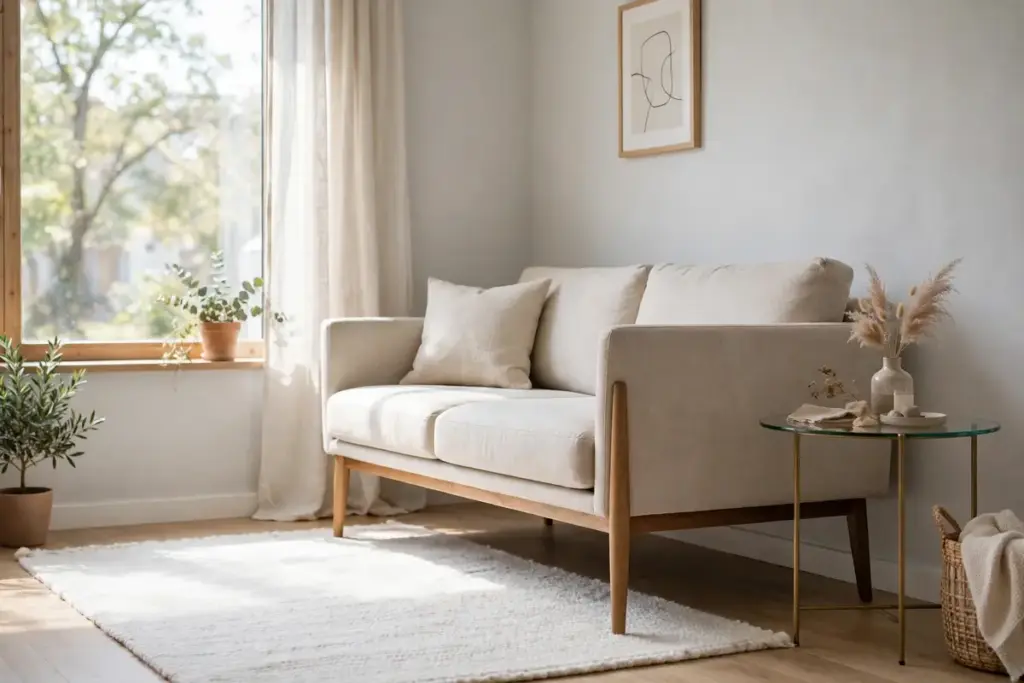
- Measure your space and choose a sofa that leaves at least 18 inches of walking space on each side.
- Look for a slim frame with legs that are at least 4 inches tall to show more floor.
- Choose a light or neutral fabric to keep the sofa from looking heavy.
- Add a slim side table instead of a bulky coffee table.
A slim sofa with visible legs creates a sense of openness that a bulky design cannot match. The extra floor space makes the room feel larger and easier to clean. I’ve seen this work well in many apartments where every inch counts.
6. Dual Purpose Pieces
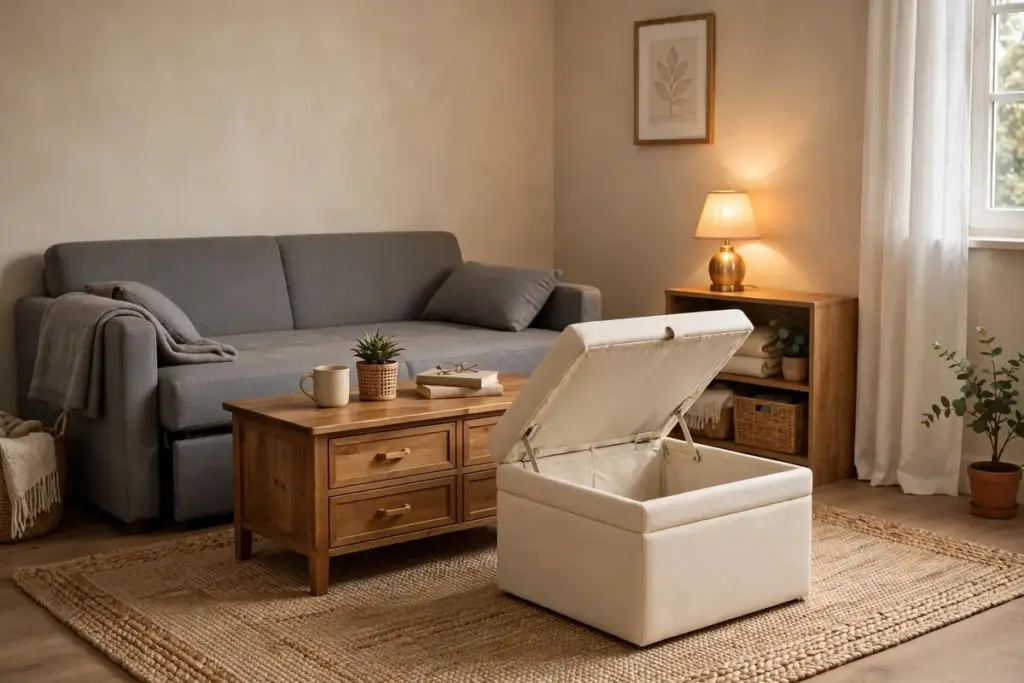
Option A: Standard Furniture
- A regular sofa takes up space and offers only seating.
- A coffee table provides a surface but no storage.
- You need extra pieces for blankets, books, and remotes.
Option B: Dual-Purpose Furniture
- A sofa bed provides seating by day and a guest bed at night.
- A storage ottoman hides blankets and serves as extra seating.
- A coffee table with drawers keeps remotes and magazines out of sight.
Dual-purpose pieces are the secret to making a small living room work harder. Instead of buying separate items for storage and seating, choose furniture that does both. This approach saves space and keeps your room organized without sacrificing comfort.
7. Nesting Tables Swap
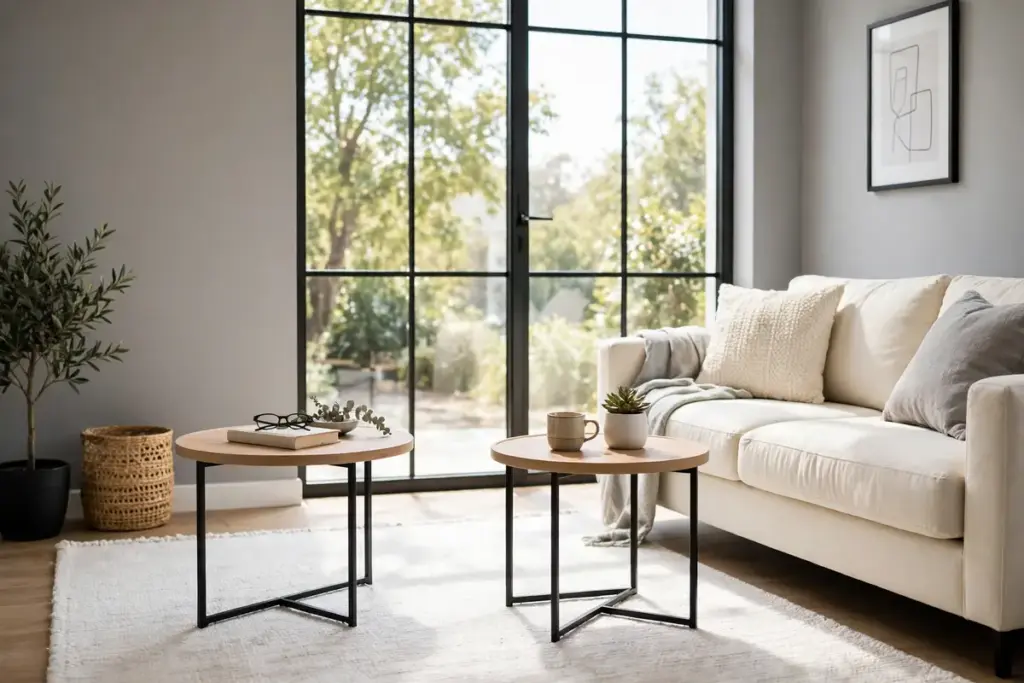
DO:
- Do choose nesting tables that slide together when not in use.
- Do place a C-table next to the sofa for drinks and books.
- Do use a lightweight design that you can move easily.
DON’T:
- Don’t choose a large coffee table that blocks the walkway.
- Don’t use tables with sharp corners in a tight space.
- Don’t add more tables than you need.
Swapping one big coffee table for smaller, movable pieces gives you flexibility without sacrificing function. You can pull a table closer when needed and tuck it away when you want more floor space. This simple change makes a small living room feel more adaptable and less cluttered.
8. Light Color Palette
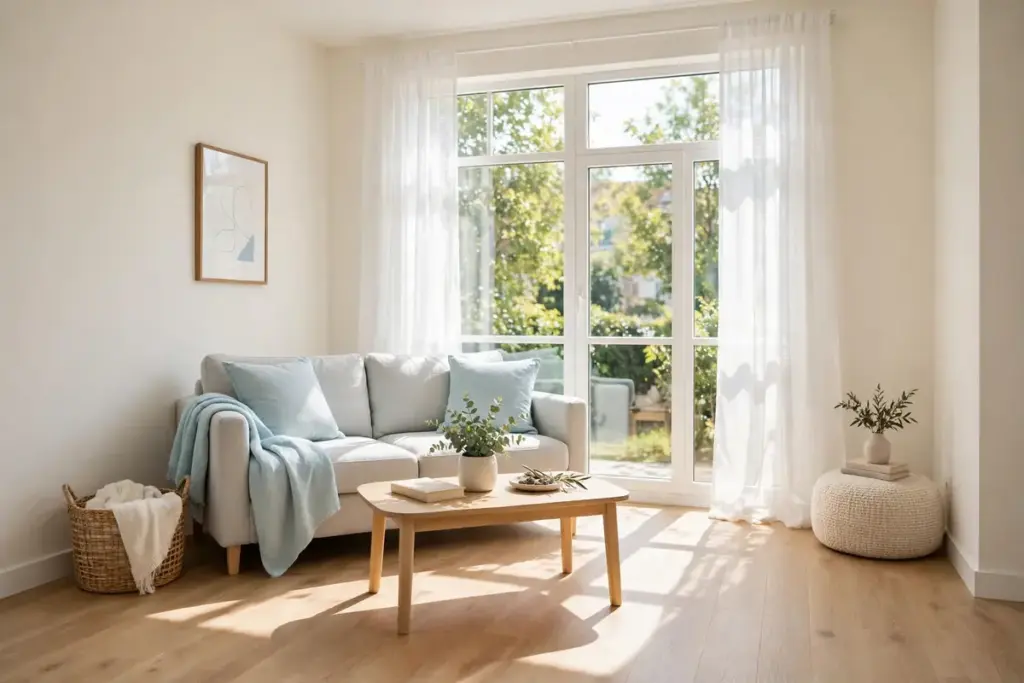
Cost: Low, mostly paint and accessories.
Time: One weekend to repaint and refresh.
Skill Level: Beginner-friendly.
Best For: Dark rooms that need more light.
A light color palette reflects natural light and makes walls feel farther apart. Whites, creams, and soft greys create a calm background that lets your furniture stand out. I’ve noticed that even a small change in wall color can make a room feel brighter and more open.
9. Mirror Opposite Windows
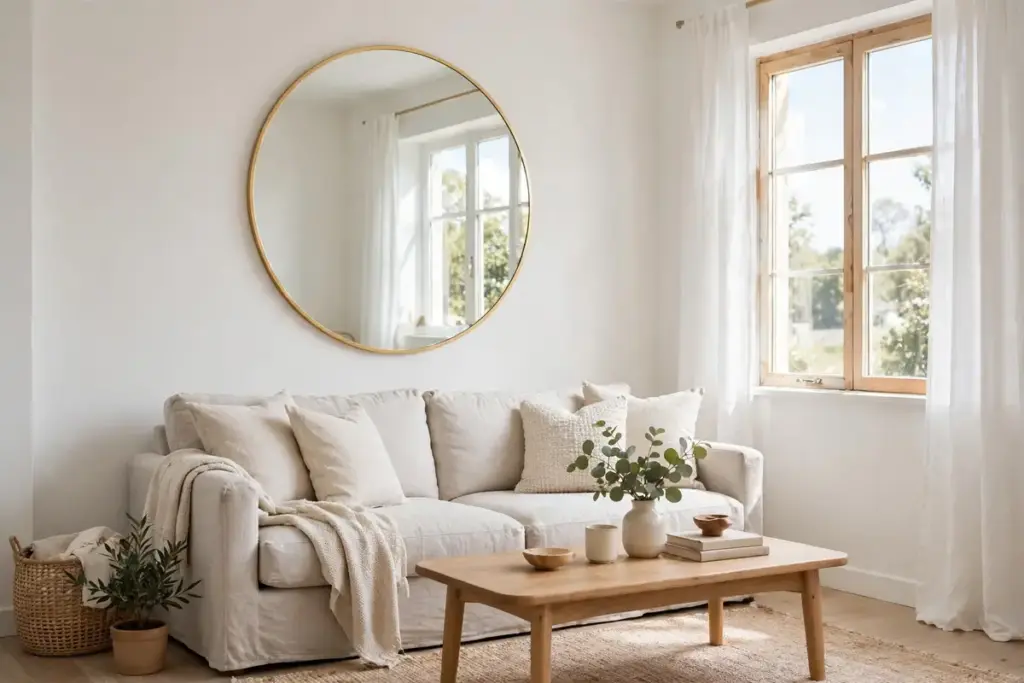
Sunlight bouncing across the room changes everything in a small living space. A mirror hung directly opposite a window catches that daylight and sends it back into the room, making the walls feel farther apart and the corners brighter.
Place the mirror at eye level and keep the frame slim so it adds light without adding bulk. Choose a simple round or rectangular shape that fits the wall. For more inspiration on finishing a compact space, explore these small living room decor ideas. A slim frame keeps the focus on the reflection, not the mirror itself.
10. Wall Hung Cabinets
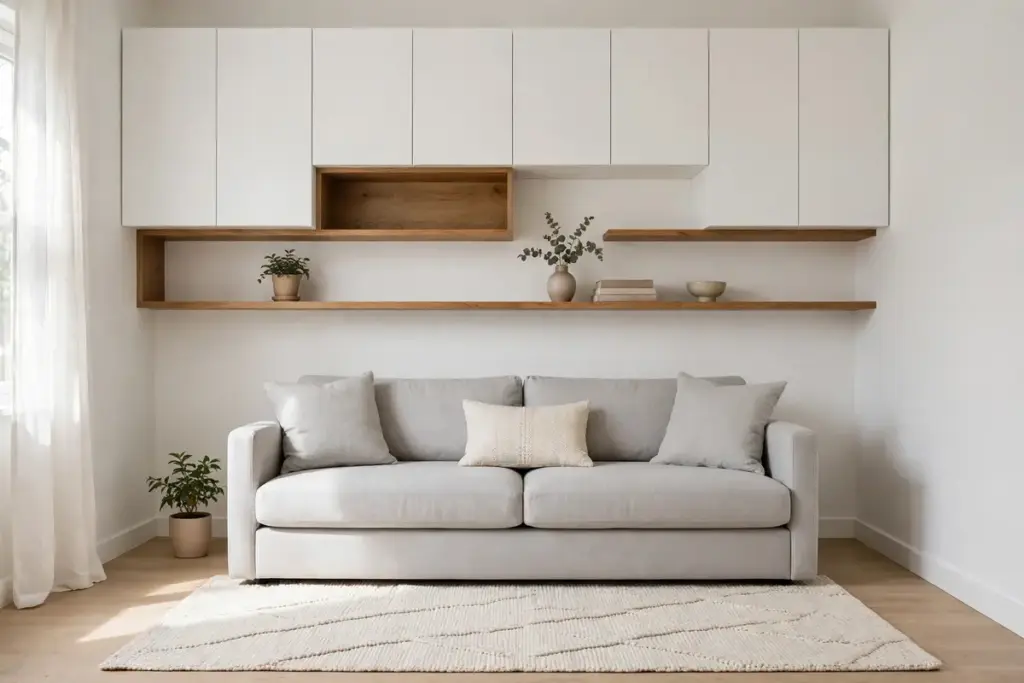
- Hang cabinets at eye level to keep everyday items within easy reach.
- Use open shelves for books and decor that you want to display.
- Choose cabinets with light colors to keep the walls from feeling heavy.
- Add under-cabinet lighting to brighten the room and highlight the storage.
Floating storage frees up floor space and makes a small living room feel less crowded. It also creates a clean, modern look that works well in apartments and small homes. In my experience, wall-hung cabinets are one of the easiest ways to add storage without making the room feel smaller.
11. Compact Scale Furniture
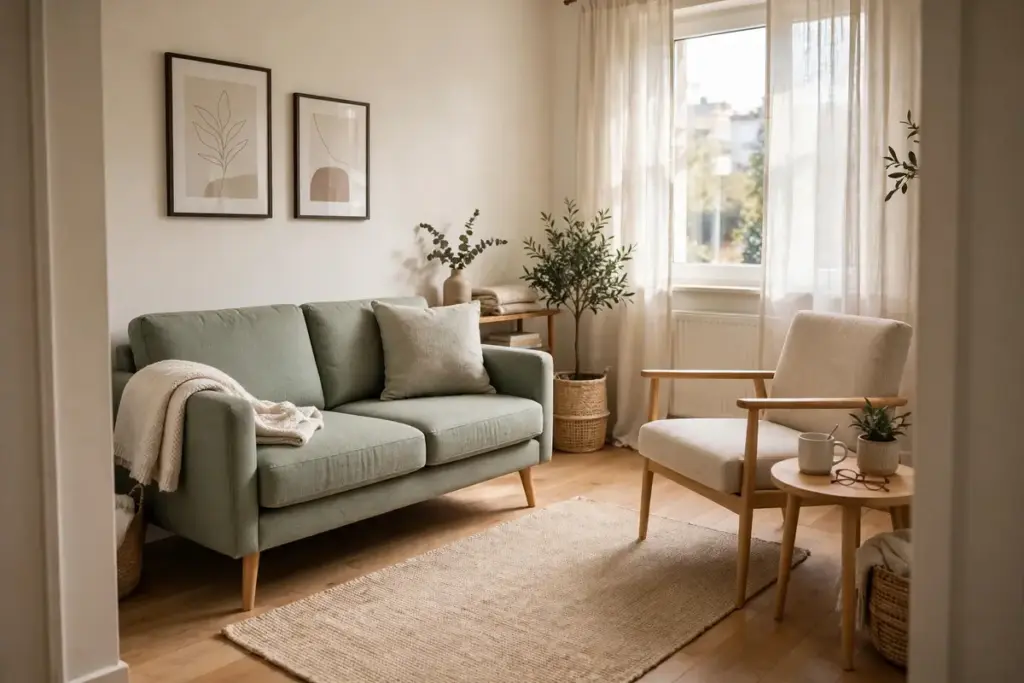
Quick Tip:
Measure your room before buying any furniture. Choose pieces that are scaled for apartments, with slimmer frames and lower profiles, to avoid overwhelming the space.
The right scale makes all the difference in a small living room. Oversized furniture can make a room feel cramped, while apartment-scale pieces leave room to breathe. Choose a sofa that fits your wall without blocking doorways, and pair it with chairs that are easy to move.
12. Glass Coffee Table
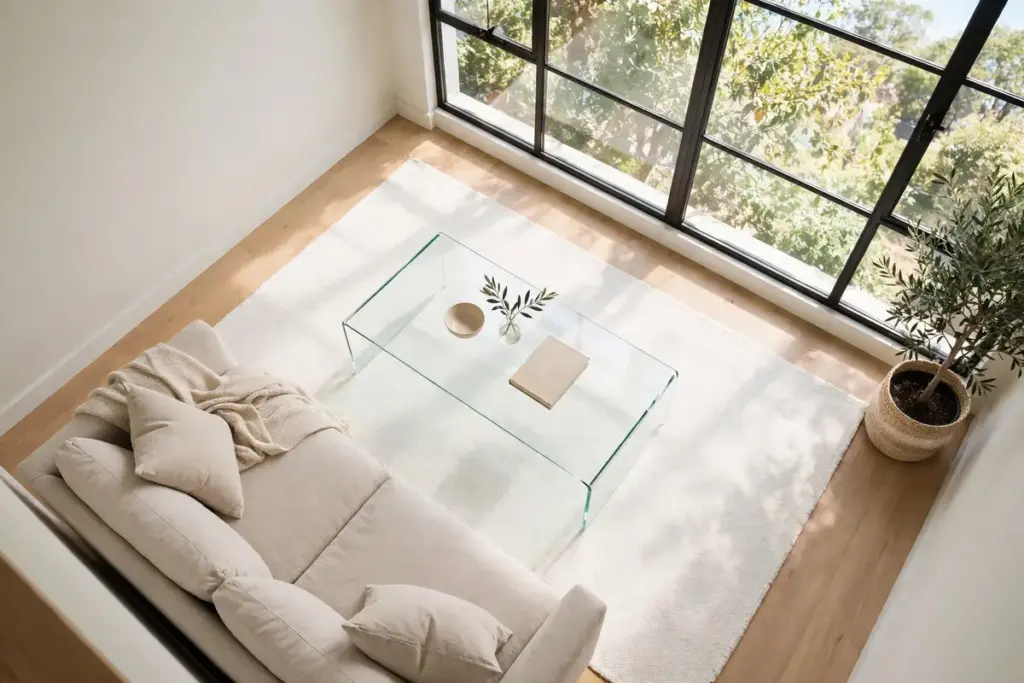
BEFORE: A solid wood coffee table sits in the center of the room, blocking the view and making the space feel heavy. It takes up visual space even when it is not in use.
AFTER: A glass coffee table replaces it, and the room instantly feels lighter. You can see the rug and floor through the table, which makes the center of the room feel more open.
Glass and acrylic tables are ideal for small living rooms because they do not add visual weight. They provide a surface for drinks and books without making the room feel crowded. Choose a simple design with clean lines to keep the look modern and airy.
13. Minimalist Editing Rule
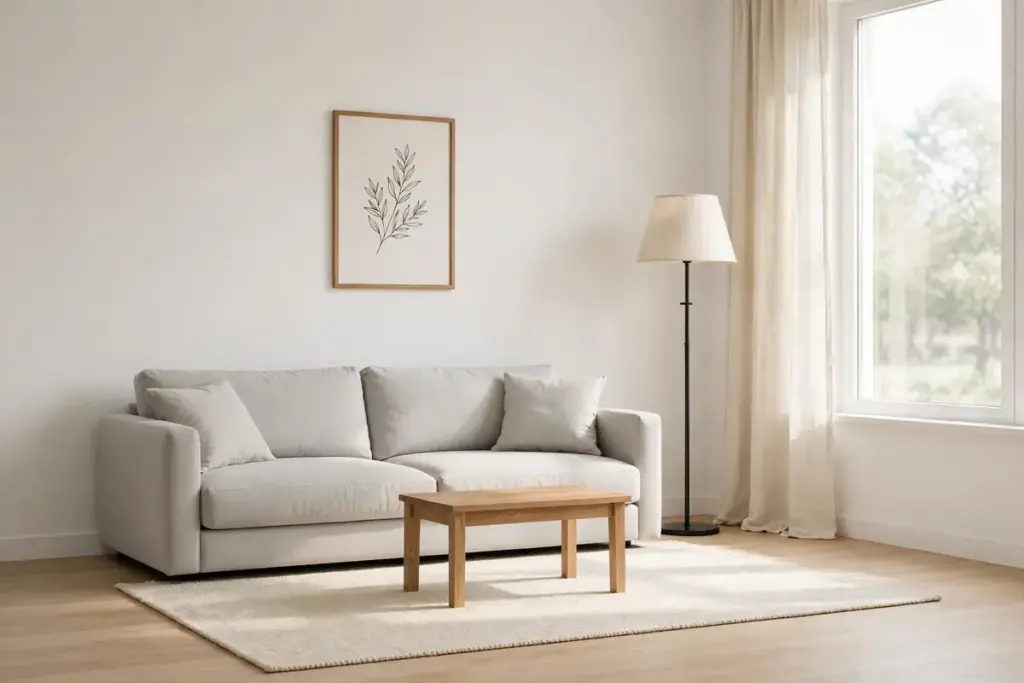
- Remove one piece of furniture that you rarely use and see how the room feels.
- Keep only items that serve a purpose or bring you joy.
- Use a single statement piece instead of several small decorations.
- Store extra items in a closet or storage ottoman to keep surfaces clear.
Editing your furniture is not about having less, it is about choosing better. When you remove unnecessary pieces, the room feels calm and more spacious. I’ve tried this in my own home, and the difference was immediate.
14. Rug Zoned Layout
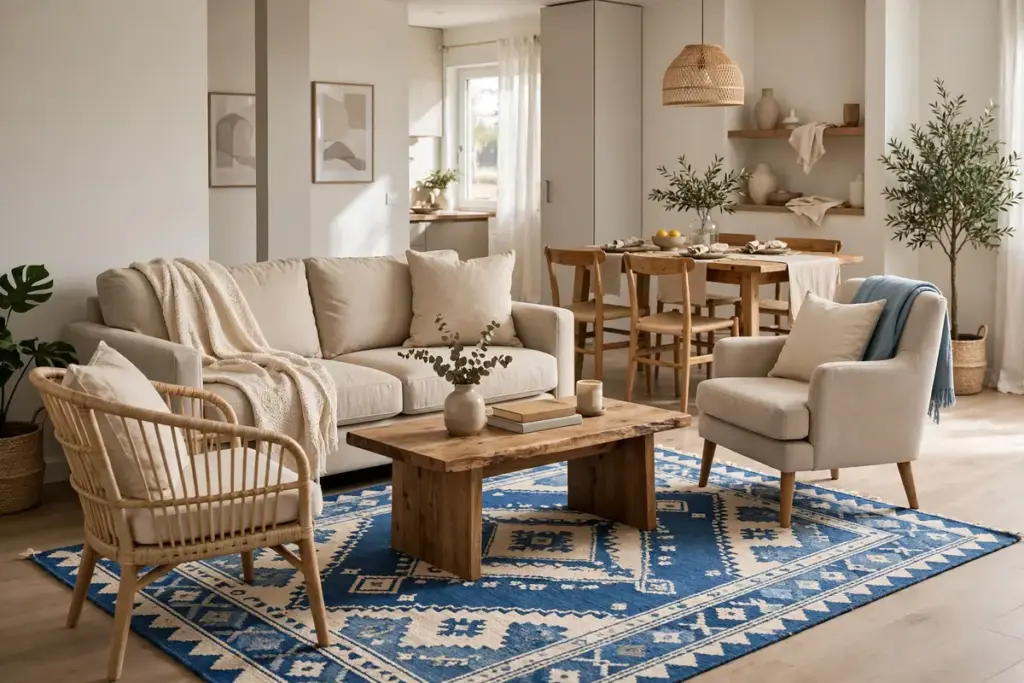
Option A: Rug Defines the Zone
- A rug under the sofa and chairs marks the seating area clearly.
- It creates a visual boundary that separates living from dining.
- The room feels organized and intentional.
Option B: No Rug, Open Floor
- The floor looks continuous but the zones blend together.
- Furniture can feel scattered without a clear anchor.
- The room may feel larger but less defined.
Using a rug to zone your living room is a simple way to create order in a small space. It tells your eye where the seating area begins and ends, even in an open-plan room. Choose a rug that fits your furniture and complements your color scheme for the best result.
15. Hidden Storage Solutions
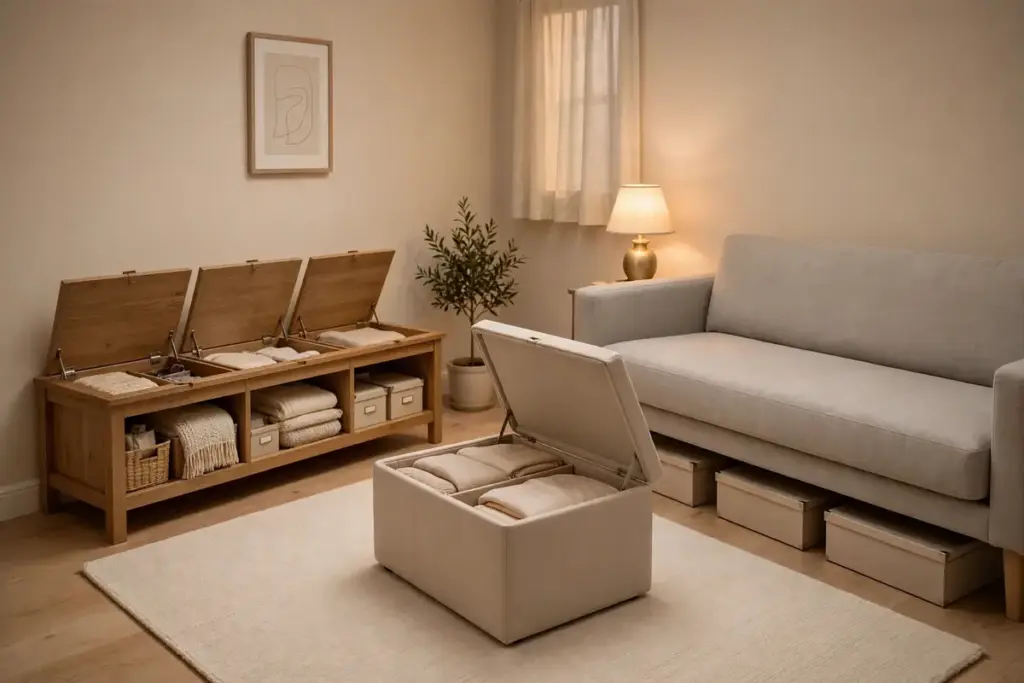
- Choose an ottoman with a lift-up lid to store blankets, books, or remotes.
- Use a bench with hidden compartments for shoes or seasonal items.
- Place slim storage boxes under the sofa for items you rarely use.
- Label each storage spot so you can find things quickly.
Hidden storage keeps your living room tidy without adding visible clutter. When everything has a place, the room feels larger and more relaxing. This approach works especially well for families who need to store toys, blankets, or extra cushions.
16. Layered Lighting Plan
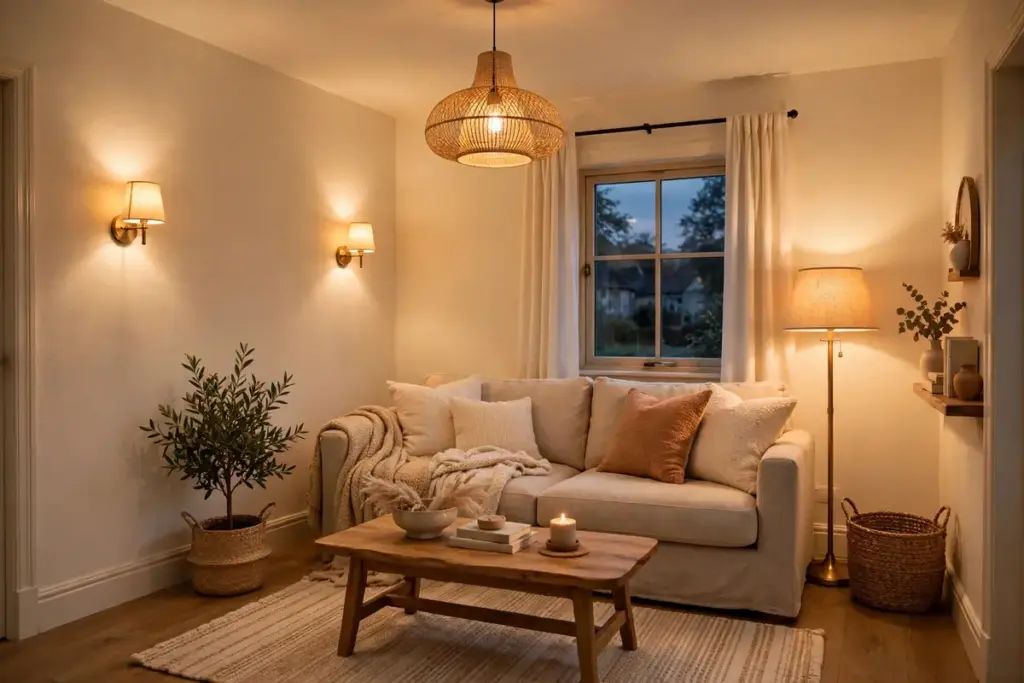
DO:
- Do choose a ceiling light that provides general brightness.
- Do add a floor lamp near the sofa for reading.
- Do use wall sconces to save table space.
DON’T:
- Don’t rely on one overhead light to illuminate the whole room.
- Don’t place lamps where they block walkways.
- Don’t use harsh white bulbs that create glare.
Layered lighting removes dark corners and makes a small living room feel warm and inviting. By combining different light sources, you can create zones for reading, relaxing, and entertaining. I’ve noticed that good lighting can make even the smallest room feel more comfortable.
17. L Shaped Seating
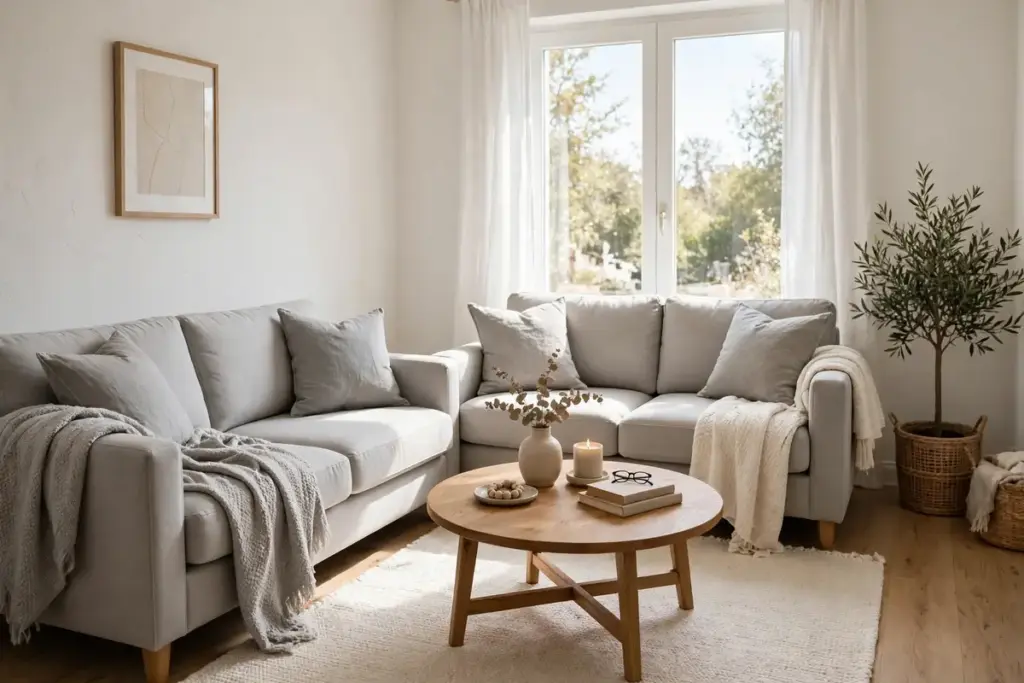
An L-shaped seating arrangement works well in square rooms because it uses two walls without blocking the center. Place the sofa along one wall and add a loveseat or chairs along the adjacent wall. This creates a cozy corner for conversation while leaving the middle open for movement.
The open center makes the room feel larger and easier to navigate. You can add a small coffee table in the middle without crowding the space. This layout is ideal for families who want a comfortable seating area that does not feel cramped.
18. Narrow Room Layout
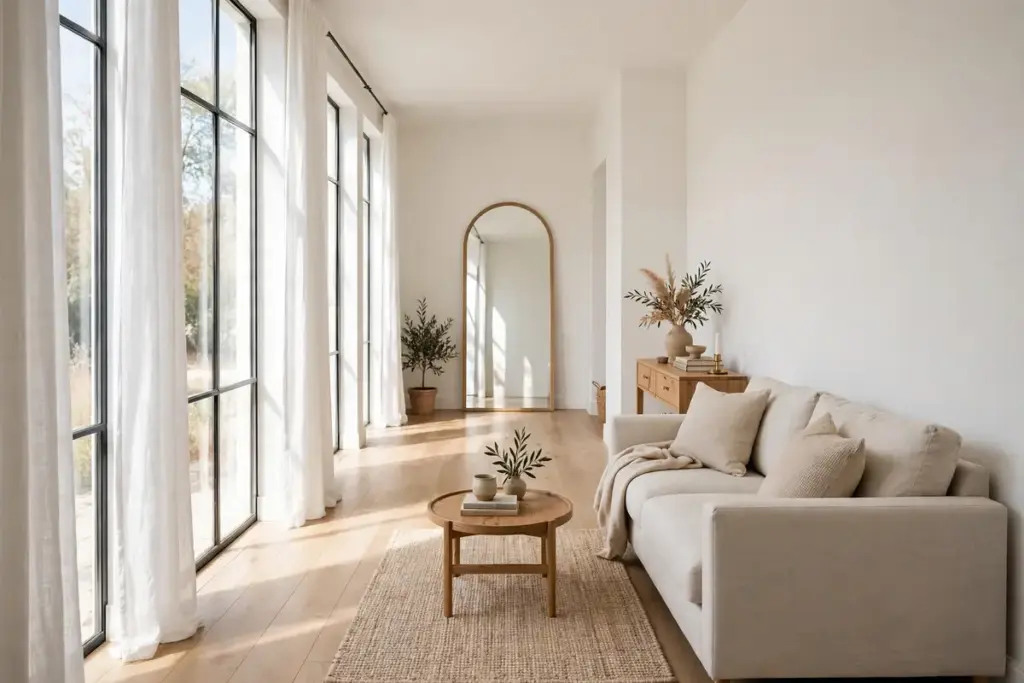
- Place the sofa along the longest wall to maximize seating and leave a clear walkway.
- Use a narrow console table behind the sofa for storage and display.
- Choose a slim coffee table that does not block the path.
- Add a mirror on the short wall to reflect light and create depth.
A long, narrow living room can feel awkward, but the right layout makes it work. By placing the sofa along the longest wall, you create a natural flow and avoid blocking the room. For more ideas on arranging a compact home, these apartment living room ideas offer practical layouts that fit tight spaces.
19. Anchor Piece Strategy
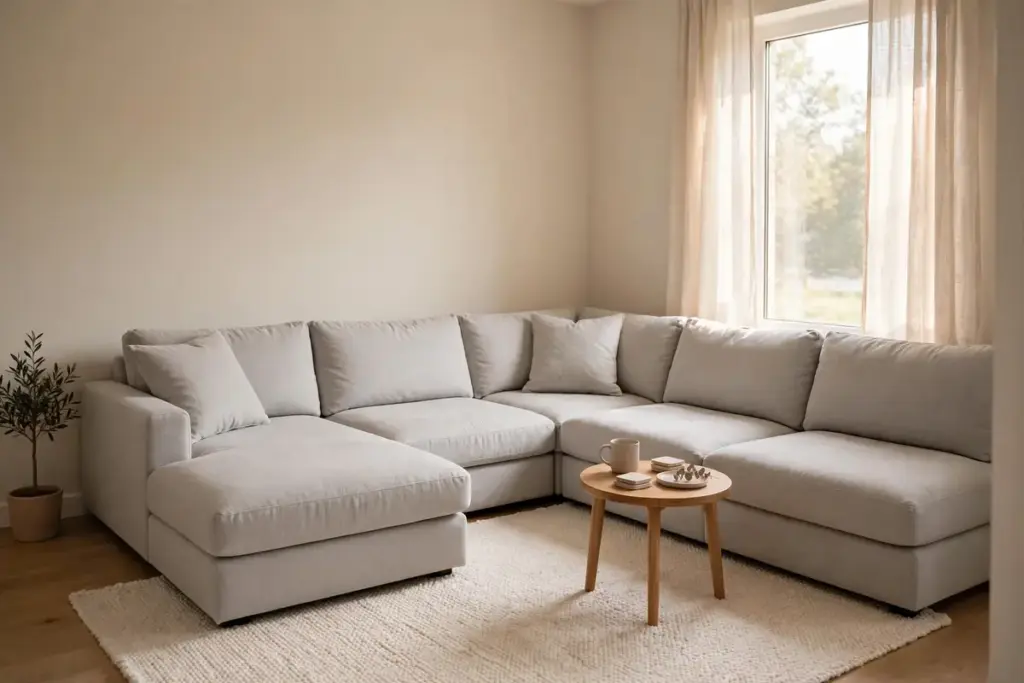
Quick Tip:
Choose one large piece, like a sectional, and keep the rest of the furniture minimal. This creates a streamlined look without making the room feel crowded.
A single anchor piece can make a small living room feel intentional and well-designed. Instead of filling the room with many small chairs, one sectional provides ample seating and a clear focal point. This approach works best when you keep other furniture simple and functional.
20. Tonal Look Palette
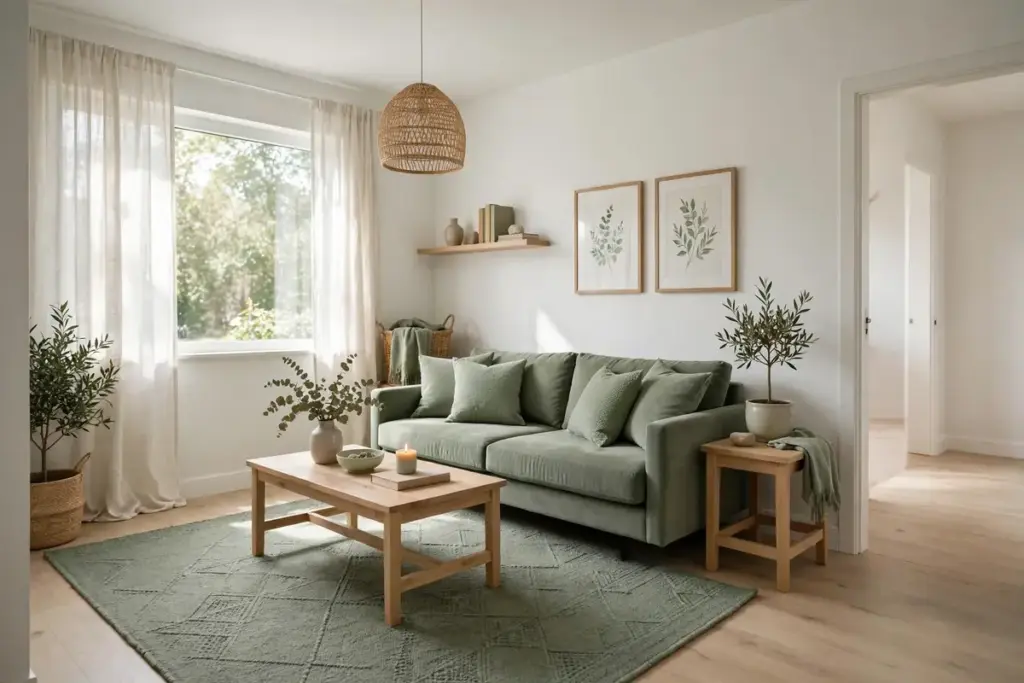
BEFORE: The room uses many different colors, from a red sofa to a blue rug and yellow cushions. The space feels busy and the colors compete for attention, making the room look smaller.
AFTER: Shades of sage green unify the sofa, rug, and cushions. The room feels calm and the eye moves smoothly across the space, making it feel larger and more cohesive.
A tonal palette works because it reduces visual breaks and creates a sense of flow. When you use shades of one color, the room feels connected and more spacious. Add texture through linen, velvet, and wood to keep the look interesting.
21. Smaller Artwork Scale
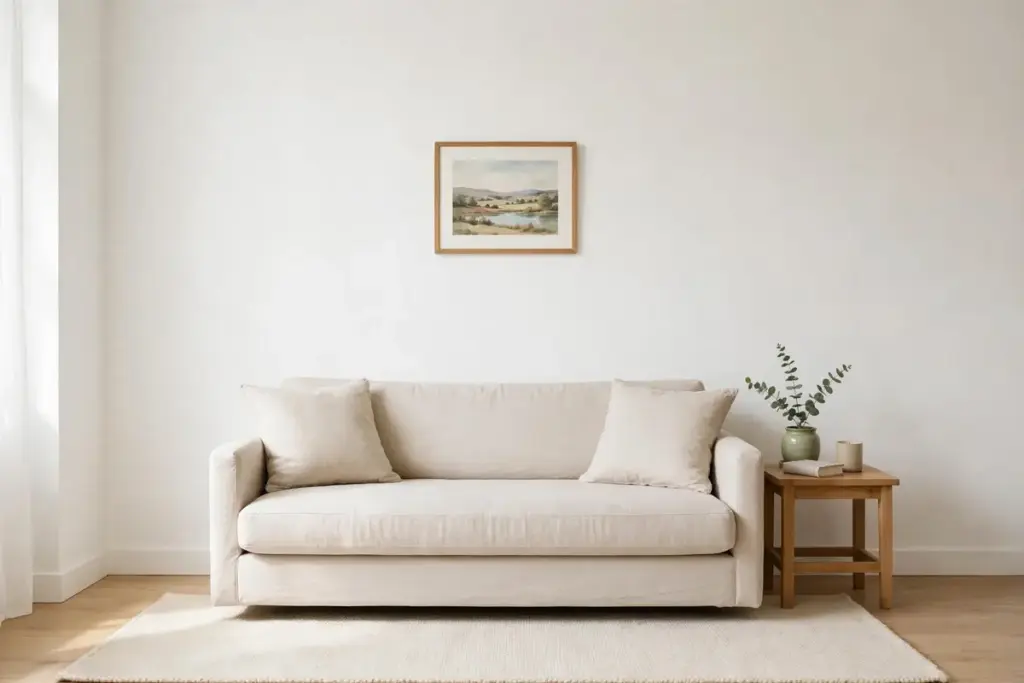
- Measure your wall and choose artwork that is no more than two-thirds the width of the furniture below it.
- Hang art at eye level, about 57 inches from the floor to the center.
- Use a single frame or a small grouping instead of a large gallery wall.
- Leave at least 6 inches of blank wall around the art to let it breathe.
Smaller artwork lets your walls breathe and prevents the room from feeling cluttered. When art is scaled correctly, it adds personality without overwhelming the space. I’ve seen this work well in many small homes where a large piece would dominate the wall.
22. Alcove Built In Seat
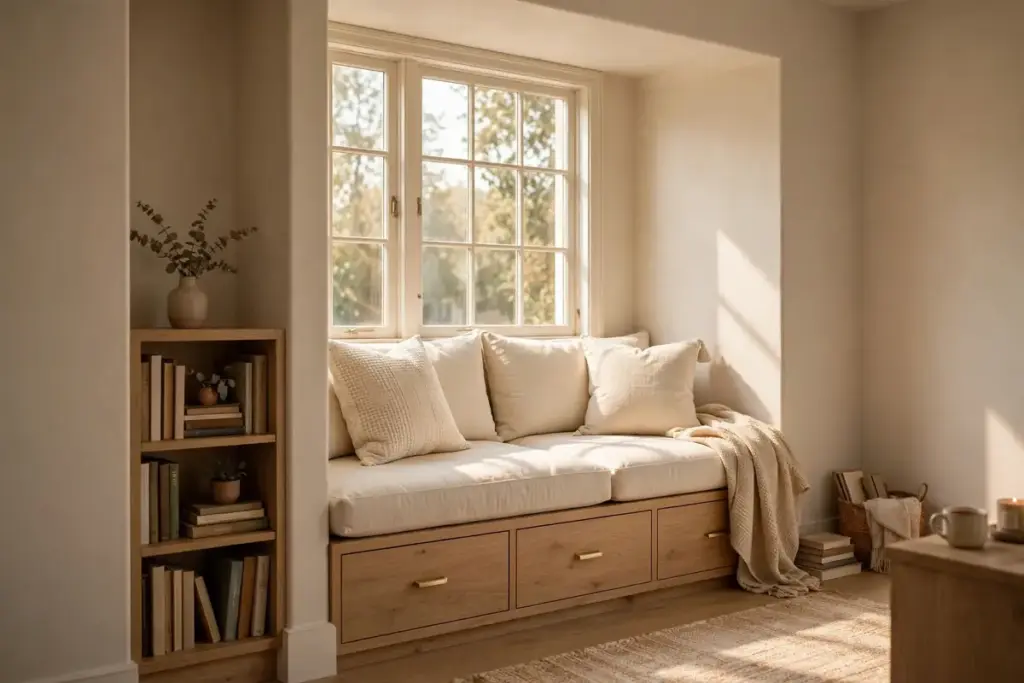
Option A: Built-In Seat
- Uses the alcove fully and provides hidden storage underneath.
- Creates a custom look that fits the room perfectly.
- Ideal for reading nooks or extra seating.
Option B: Freestanding Furniture
- A chair or bench can be moved if needed.
- Easier and cheaper to install than a built-in.
- May leave gaps that waste space.
A built-in seat turns an awkward alcove into a useful feature. It provides comfortable seating and storage without taking up extra floor space. This solution is perfect for small living rooms where every inch matters and custom details add value.
23. Fold Away Furniture
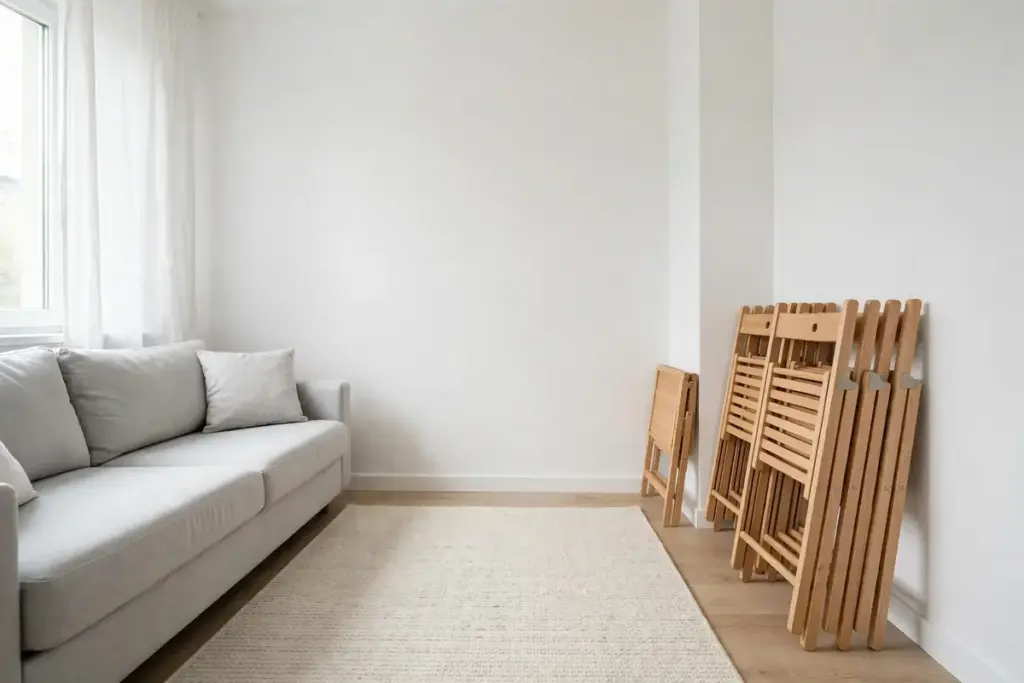
DO:
- Do choose lightweight chairs that fold flat for storage.
- Do keep a folding table in a closet for game nights or extra dining space.
- Do use foldable furniture that matches your decor.
DON’T:
- Don’t leave foldable furniture out when not in use.
- Don’t choose heavy pieces that are hard to move.
- Don’t buy more foldable items than you can store.
Fold-away furniture is perfect for small living rooms that need to adapt to different uses. You can bring out extra seating for guests and put it away when you want more space. This flexibility makes a small room feel larger and more versatile.
Conclusion
Your small living room does not need to feel small. With smart living room designs small spaces can make the most of every inch, from clear walkways to hidden storage and layered light. Start with one idea that fits your home and your budget, then add another when you are ready.
Save this post on Pinterest so you can find it again, try one or two ideas this week, and share the article with a friend who is working with a small space too. A small room done well feels cozy, not cramped, and every clever choice makes daily living that little bit easier.