21 Gorgeous Living Room Interior Looks You’ll Love

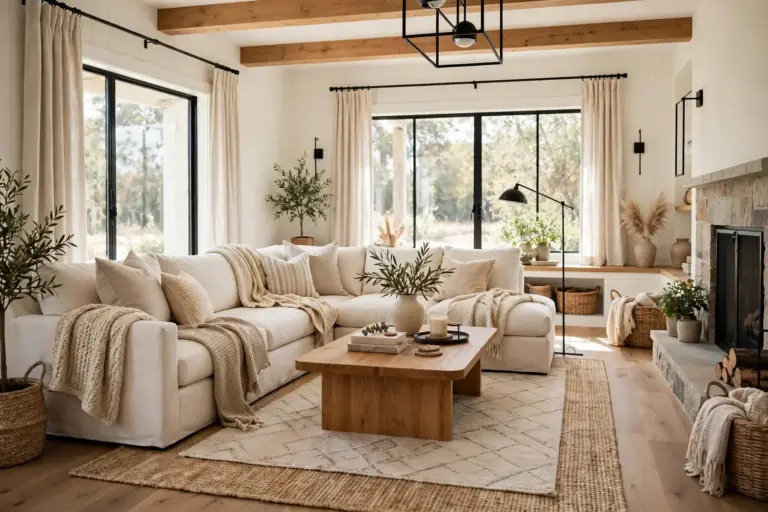
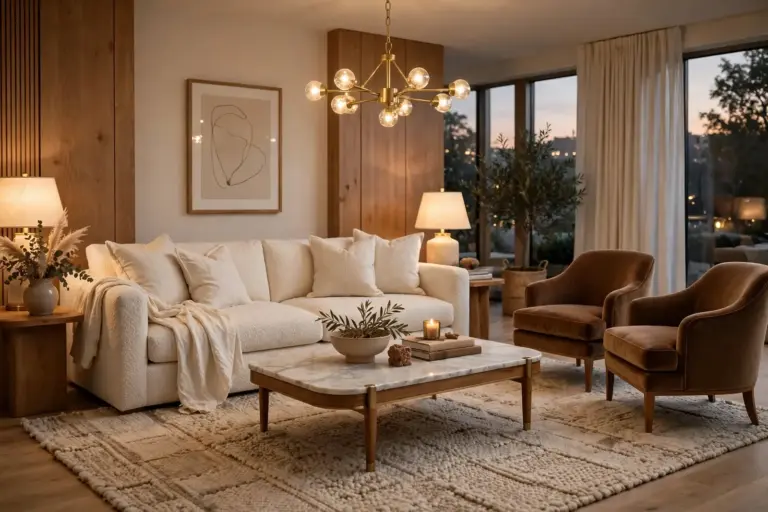
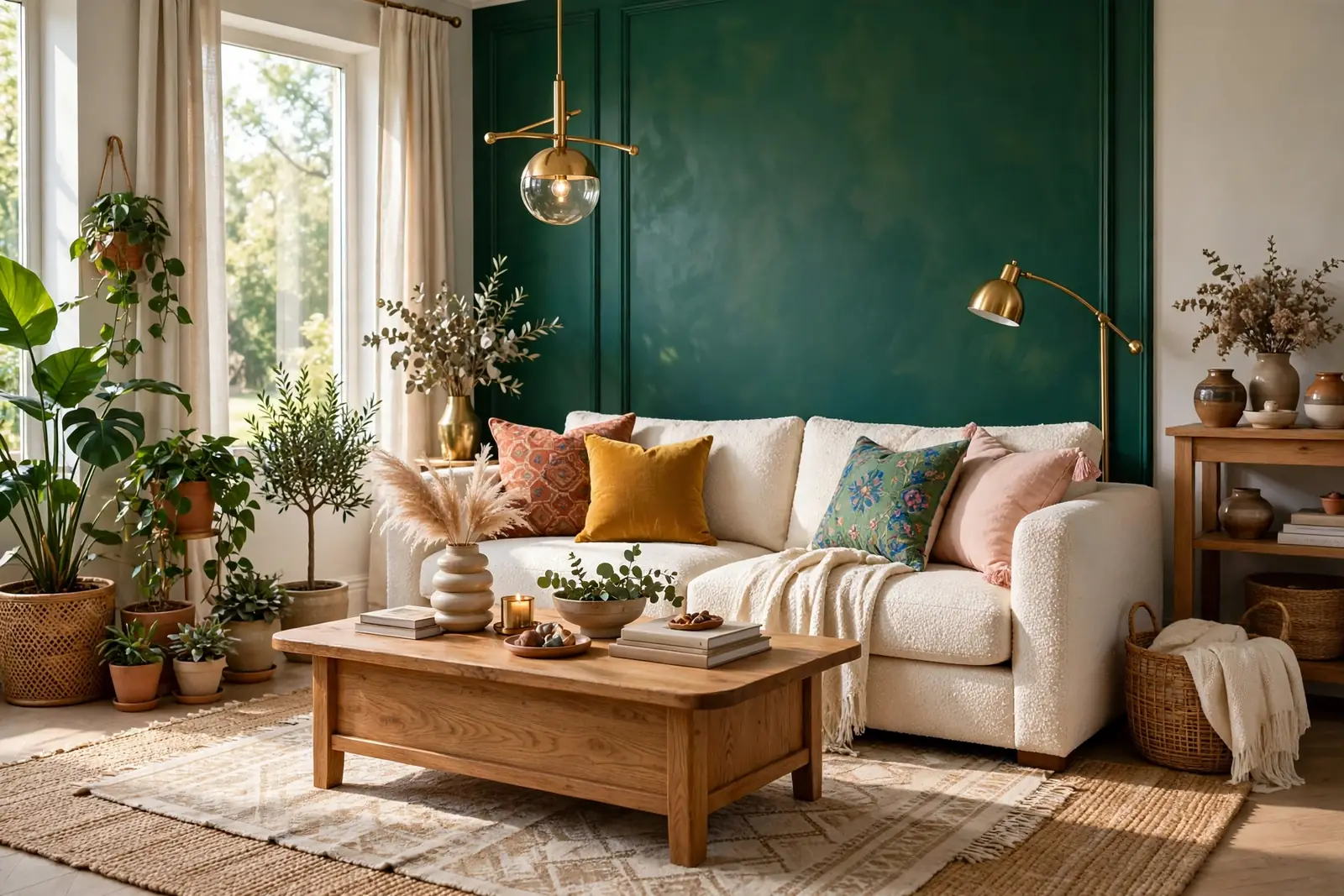
A beautiful living room interior doesn’t have to come with an expensive makeover or a professional designer. Sometimes, a fresh color combination, better furniture placement, or a few thoughtful decorating details are all you need to create a room that feels inviting.
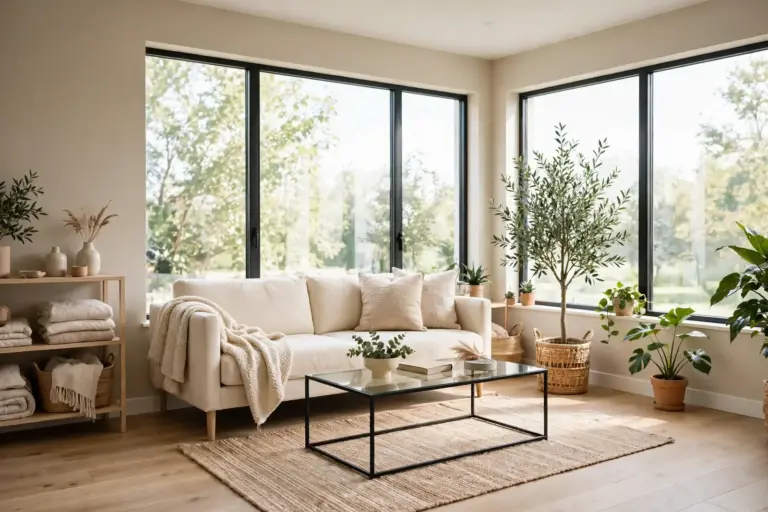
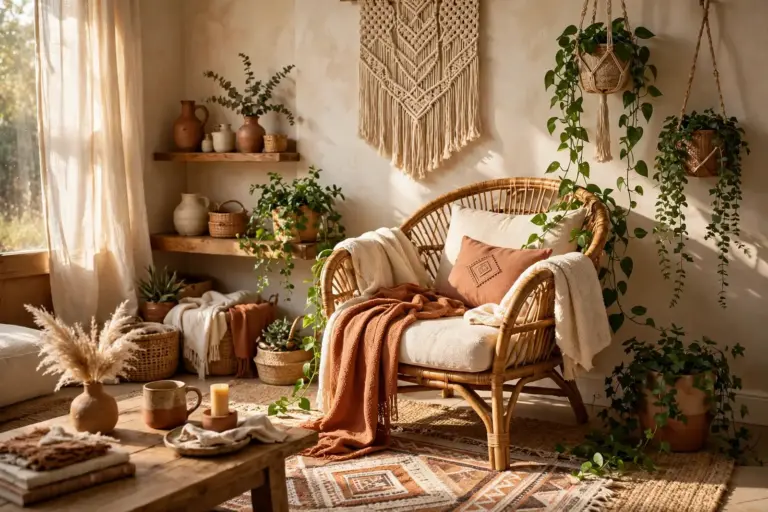
Whether you’re decorating a small apartment, refreshing a family home, or starting with an almost empty space, the right inspiration can make every decision easier. From cozy farmhouse details and elegant neutral palettes to dramatic accent walls and colorful furniture, these 21 gorgeous looks offer practical ideas you can adapt to your own home. Each style focuses on achievable decorating choices that make your living space feel more comfortable, personal, and visually interesting.
1. Patterned Sofa Styling
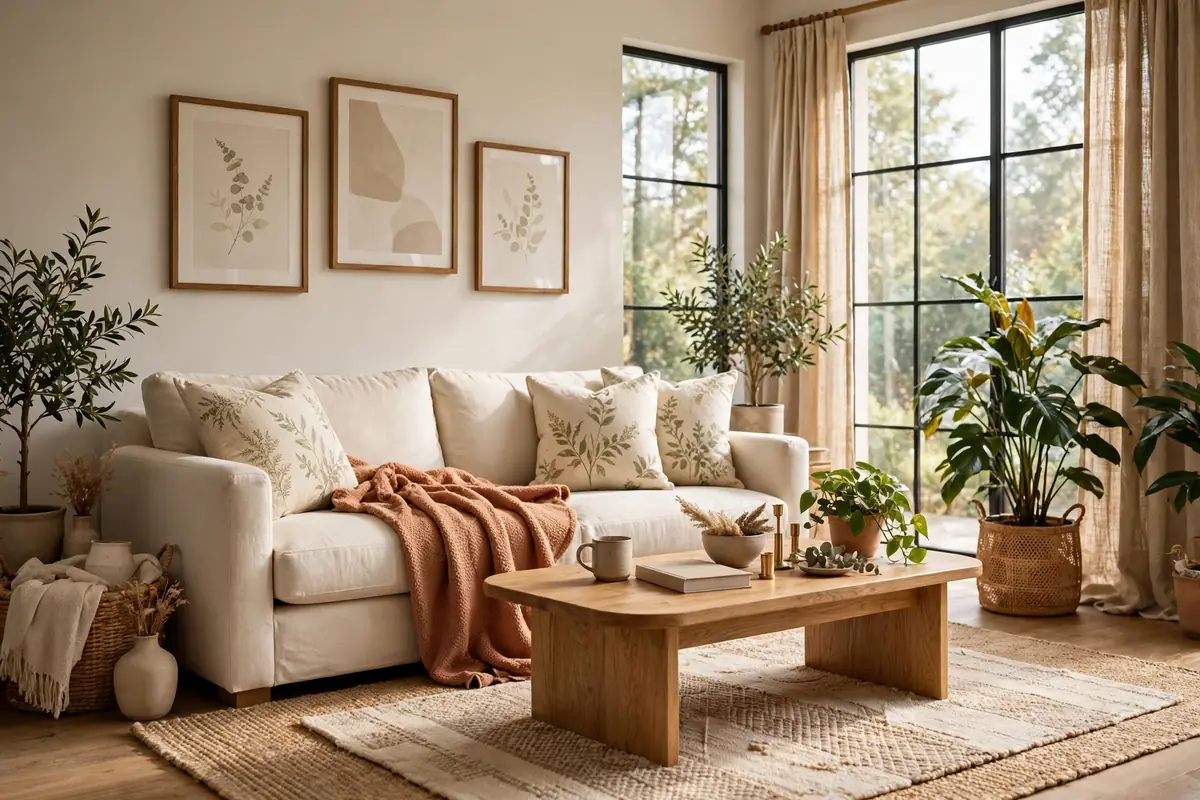
A patterned sofa can become the most memorable feature in your living space without requiring lots of additional decoration. Choose a fabric with a subtle floral, geometric, or vintage-inspired design, then pull two or three colors from it for the rest of the room.
The trick is keeping the surrounding pieces relatively simple. Pair a patterned sofa with solid-colored cushions, a neutral rug, and understated wooden furniture. This gives the upholstery room to stand out without making the space feel visually crowded. For a beginner-friendly approach, start with one noticeable pattern rather than mixing several competing prints.
2. Layered Natural Rugs
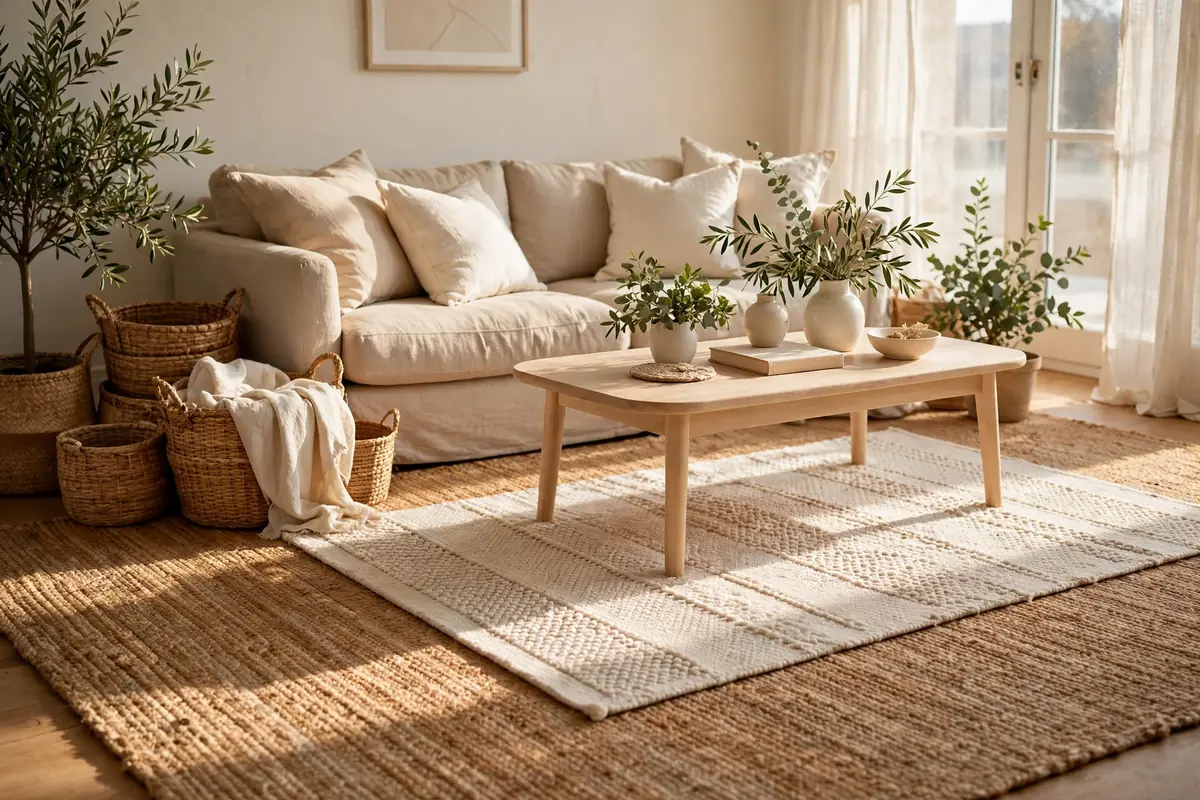
- Start with jute: Choose a large natural-fiber rug to establish the seating area.
- Add a softer layer: Place a smaller wool or cotton rug over the center.
- Mix textures: Combine chunky knits, linen upholstery, and woven accessories.
- Keep colors related: Stick with sand, ivory, beige, and warm brown.
- Check proportions: Leave enough visible space around the bottom rug.
Layering rugs creates depth and makes ordinary furniture arrangements feel more thoughtfully decorated. A natural base also introduces texture without relying on strong colors. In smaller homes, choose a flatwoven foundation to avoid bulky edges, and make sure both rugs have nonslip backing to keep everything safely in place.
3. Fresh Coastal Whites
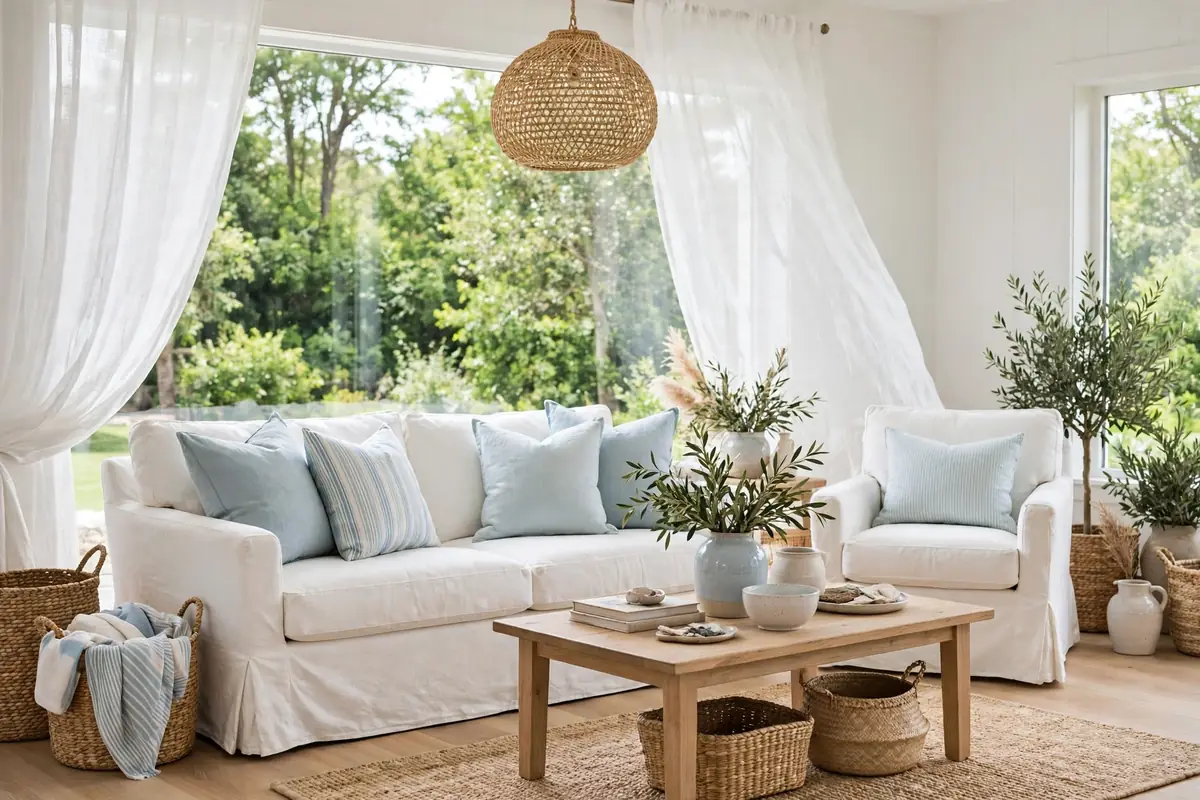
Quick Tip:
Choose warm white rather than an icy shade for the walls and larger furniture pieces. Introduce pale blue, sandy beige, and natural wood through smaller accessories to prevent the room from looking flat.
Coastal decorating works especially well when the materials feel light and uncomplicated. Linen curtains, woven baskets, and relaxed upholstery create that breezy appearance without requiring obvious nautical decorations. Keep the windows unobstructed wherever possible, and use mirrors to reflect daylight into darker corners. A few carefully chosen accessories are usually enough to establish the look.
4. Earthy Green Fireplace
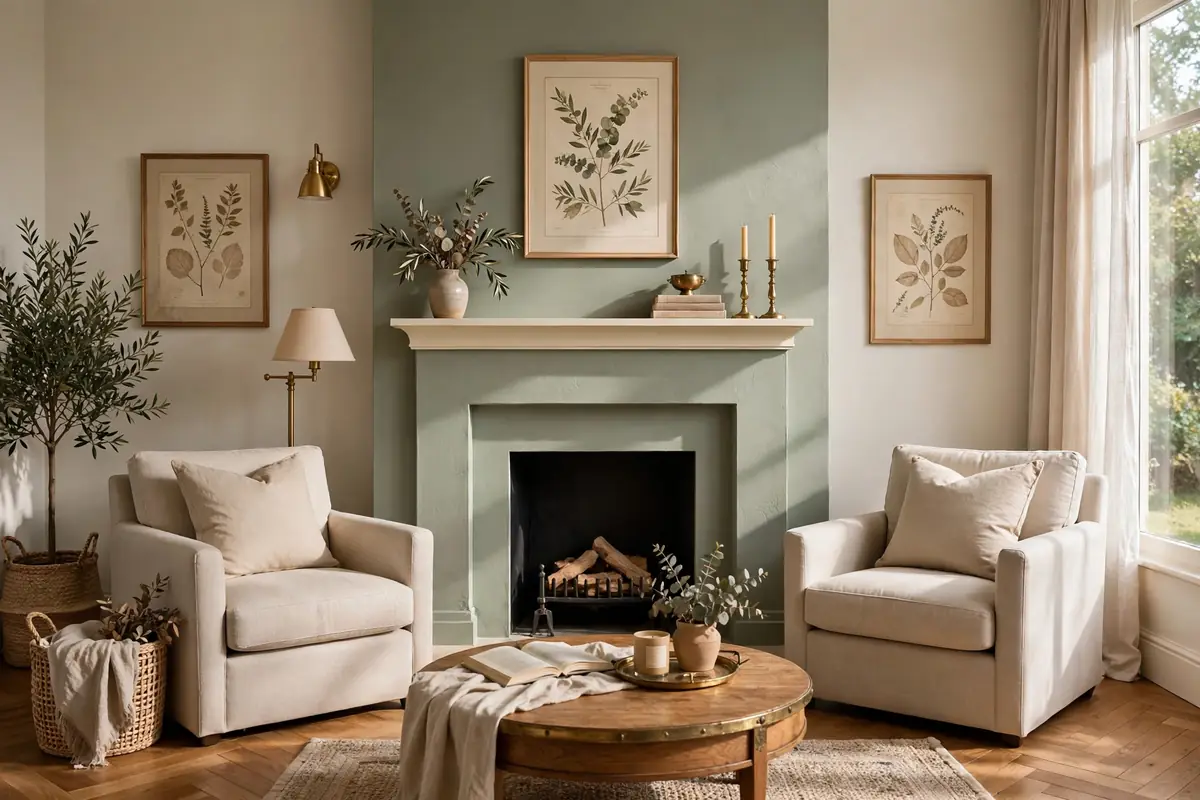
BEFORE
A plain white fireplace can disappear against similarly colored walls. Without contrasting details, the entire focal area may feel unfinished, especially when the furniture and accessories are equally neutral.
AFTER
Paint the fireplace surround a muted olive or sage green. Keep the mantel cream or natural wood, then add a simple mirror, framed artwork, and understated decorative objects for contrast.
A painted fireplace gives the room a clear visual anchor without requiring a complete renovation. Use a suitable heat-resistant product where necessary, and check the manufacturer’s instructions before painting. If you rent, removable styling details or an approved temporary covering can provide a similar color effect without permanent changes.
5. Relaxed Farmhouse Layers
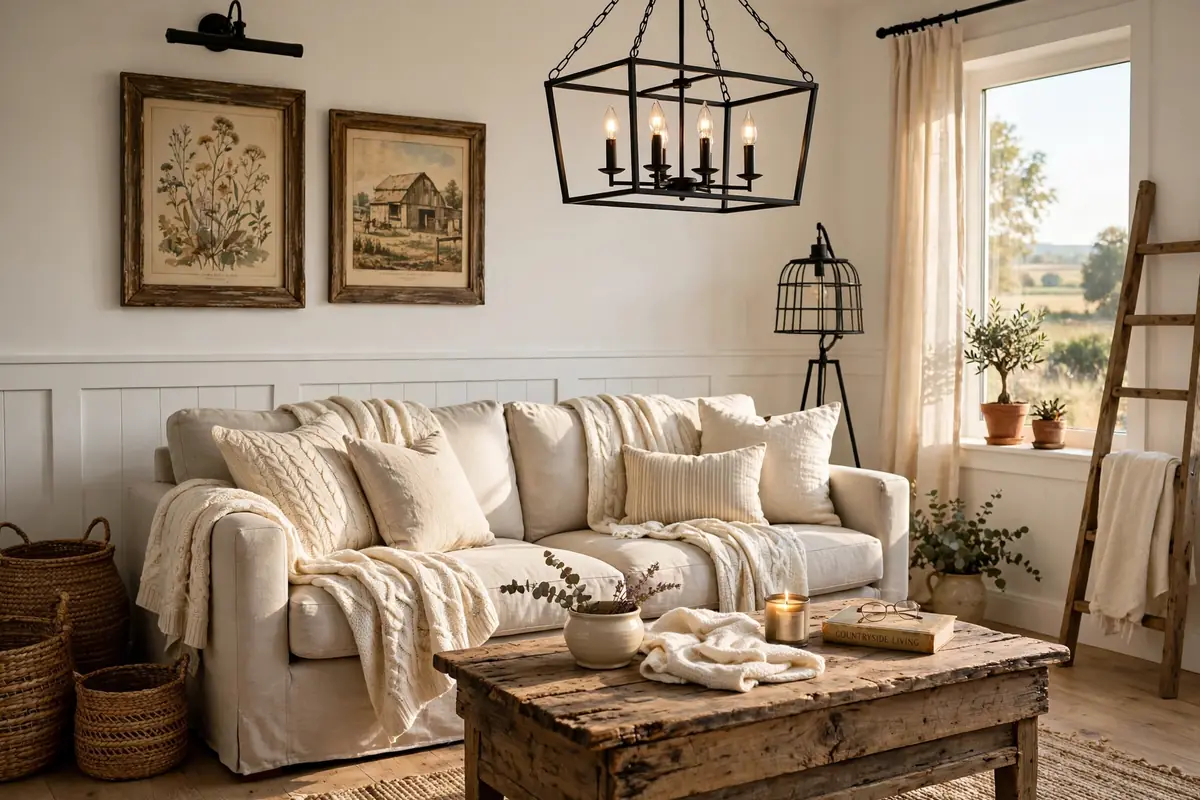
- Choose comfortable seating: Start with a generously sized sofa in beige, oatmeal, or warm gray.
- Introduce reclaimed wood: Use a rustic coffee table or wooden side table to add character.
- Mix soft materials: Combine linen cushions, cotton throws, and woven storage baskets.
- Add understated contrast: Include black metal lamps or simple dark picture frames.
A modern farmhouse living room feels welcoming because it balances practical furniture with natural materials. Avoid filling every surface with rustic accessories. Instead, select a few pieces with visible grain, worn finishes, or handmade details. The result feels collected over time rather than decorated all at once, making it especially approachable for first-time homeowners.
6. Dramatic Black Built-Ins
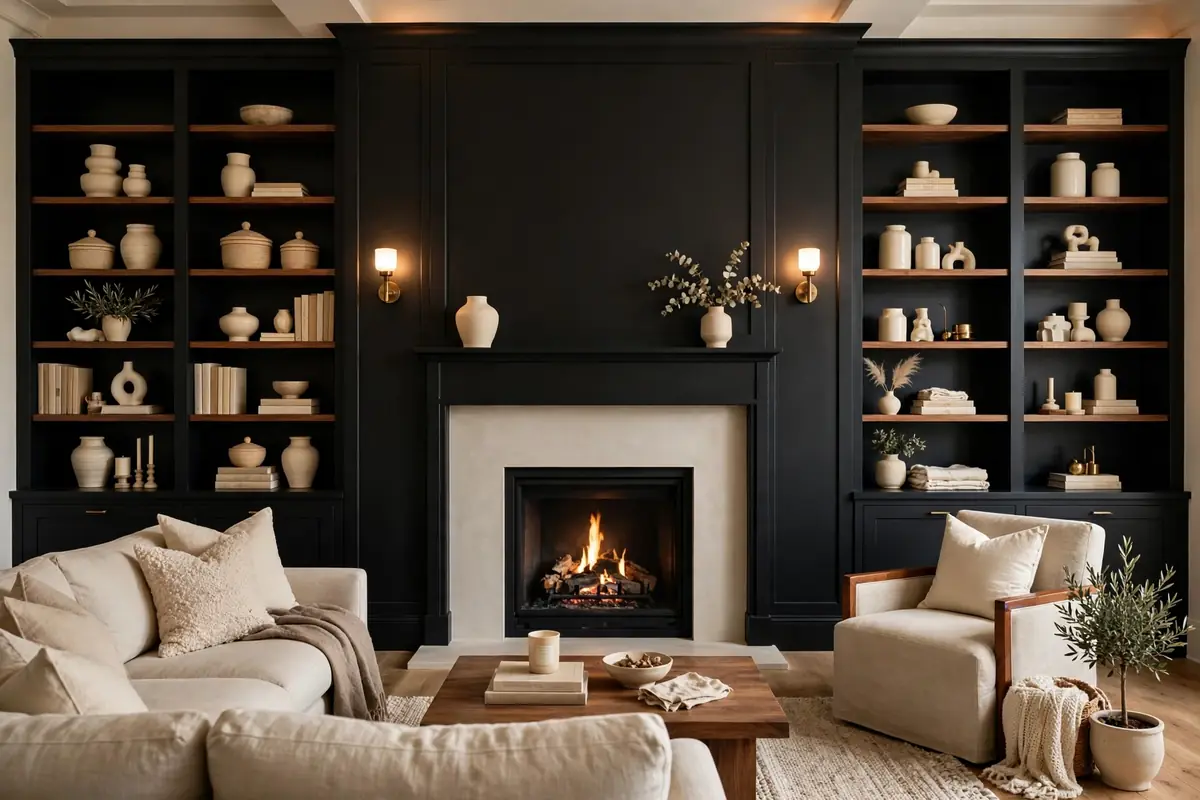
Option A: Full Dark Cabinetry
- Visual effect: Bold, dramatic, and architectural.
- Best furniture pairing: Cream, camel, or light gray seating.
- Lighting: Warm lamps and brass wall lights.
- Maintenance: Dust and fingerprints may be more noticeable.
Option B: Dark Lower Cabinets
- Visual effect: Lighter and more relaxed.
- Best furniture pairing: Natural wood and neutral upholstery.
- Lighting: A combination of daylight and warm table lamps.
- Maintenance: Lighter upper shelving can make everyday dust less noticeable.
Black built-ins work best when their surroundings provide enough contrast. Arrange books horizontally and vertically, leave breathing room between objects, and incorporate natural materials to soften the darker finish. If custom cabinetry isn’t within your budget, consider painting existing shelves or using freestanding bookcases in a similar shade.
7. Picture Ledge Gallery
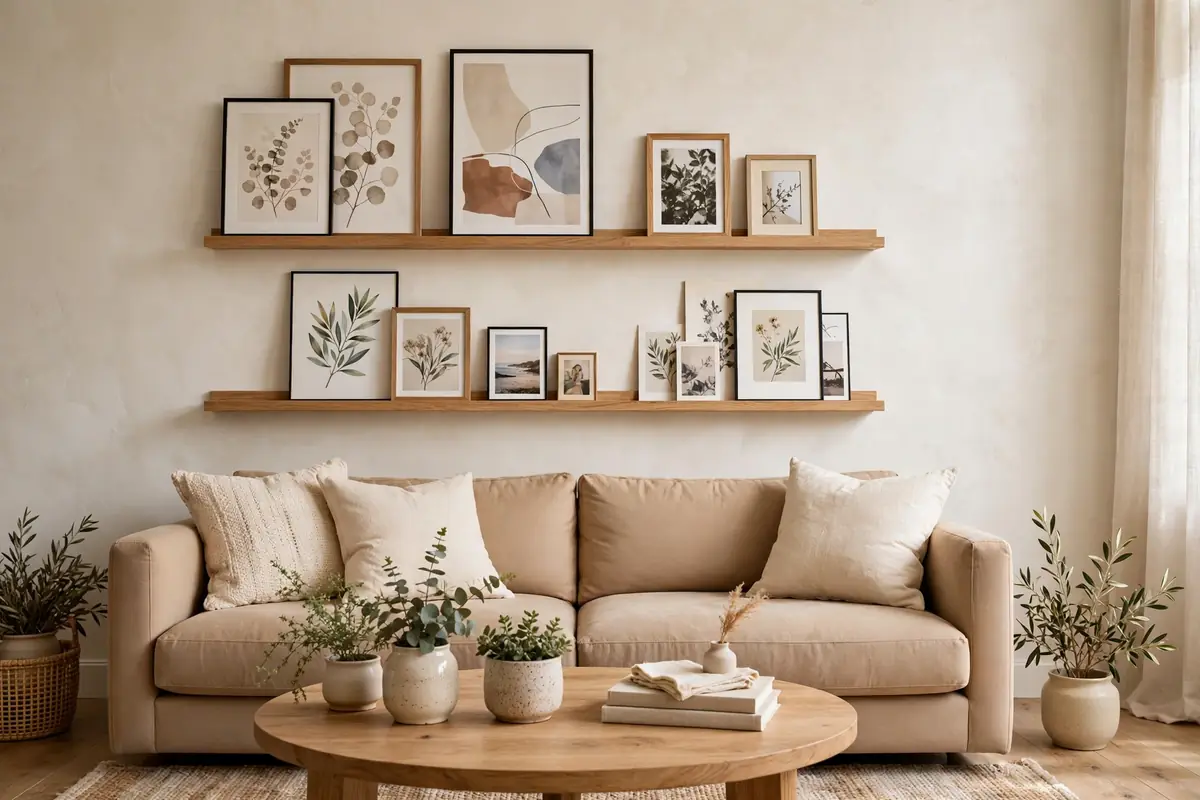
DO:
- Mix artwork in different sizes for visual interest.
- Choose frames with related wood, black, or brass finishes.
- Overlap a few frames for a relaxed arrangement.
- Include personal photographs alongside decorative prints.
DON’T:
- Fill every inch of the ledges.
- Use too many unrelated frame colors.
- Place heavy artwork on unsuitable shelves.
- Forget to secure the ledges properly.
Picture ledges make decorating flexible because you can change the artwork whenever your tastes evolve. They’re especially useful for renters who want a personalized display without committing to a complicated gallery-wall arrangement. Keep the largest prints toward the back and smaller pieces toward the front for a layered appearance.
8. Deep Jewel Walls
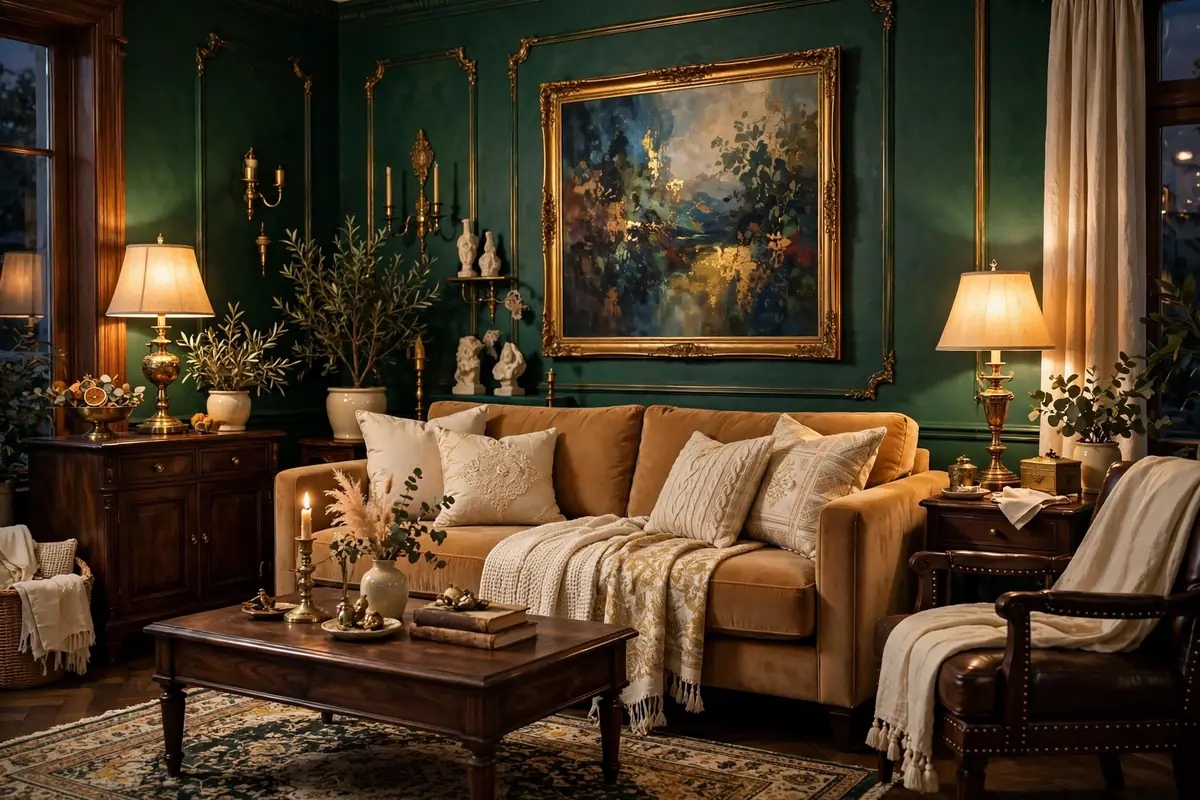
- Color impact: Deep emerald, burgundy, and navy create a rich, intimate mood.
- Lighting needs: Warm bulbs and layered lamps prevent dark corners.
- Furniture pairing: Cream, camel, walnut, and muted gold provide contrast.
- Skill level: Beginner-friendly with careful paint preparation.
- Best for: Rooms where a cozy, dramatic atmosphere is desired.
Deep colors can make a room feel more intimate, especially during evenings. Start with one feature wall if you’re uncertain about painting the entire space. Test paint samples at different times of day because jewel tones can change noticeably under natural and artificial lighting. Repeat the chosen shade in small accessories to create a connected look.
9. Classic Black And White
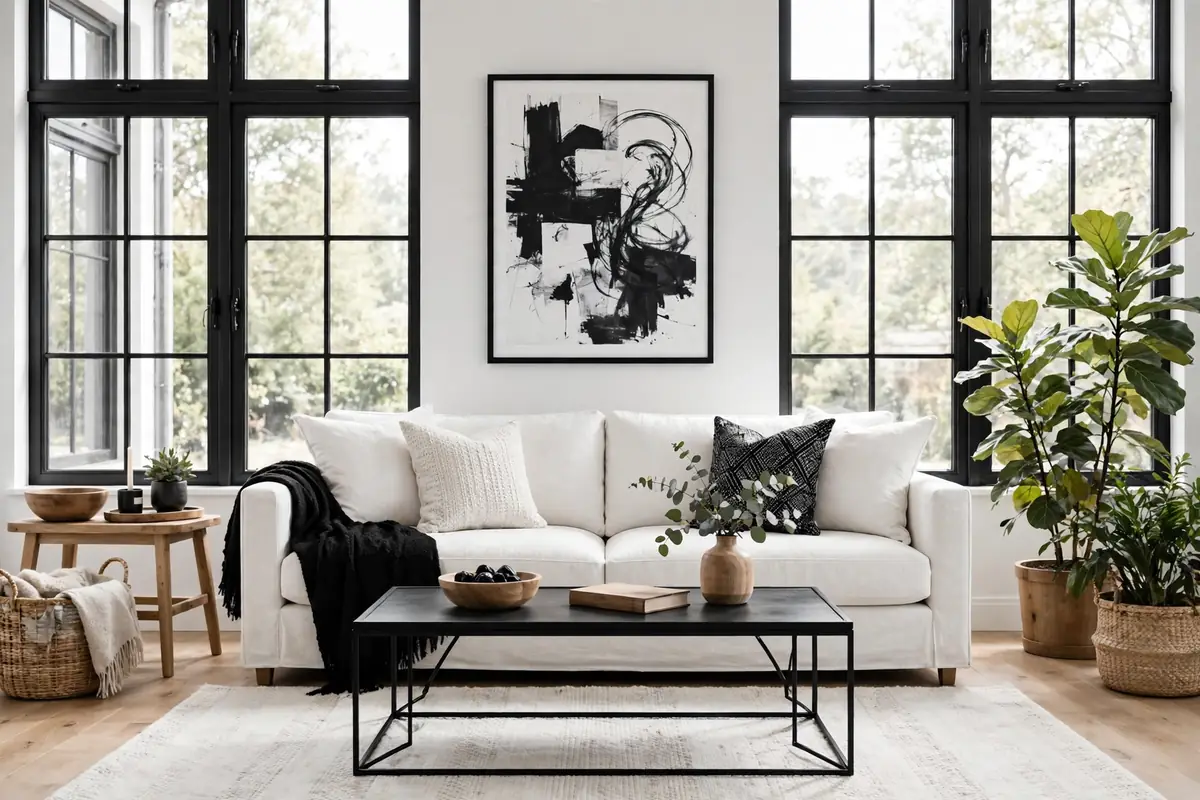
Black and white decorating creates instant visual structure, but the secret is balancing the two shades carefully. Start with white or warm ivory walls, then introduce black through lighting, furniture legs, artwork frames, and smaller accessories.
For extra comfort, bring in natural wood and soft fabrics rather than relying entirely on smooth finishes. A chunky cream rug or textured cushions can prevent the space from feeling too formal. I’ve noticed that even a few small black details can make an otherwise simple neutral room feel much more defined.
10. Single Color Accent
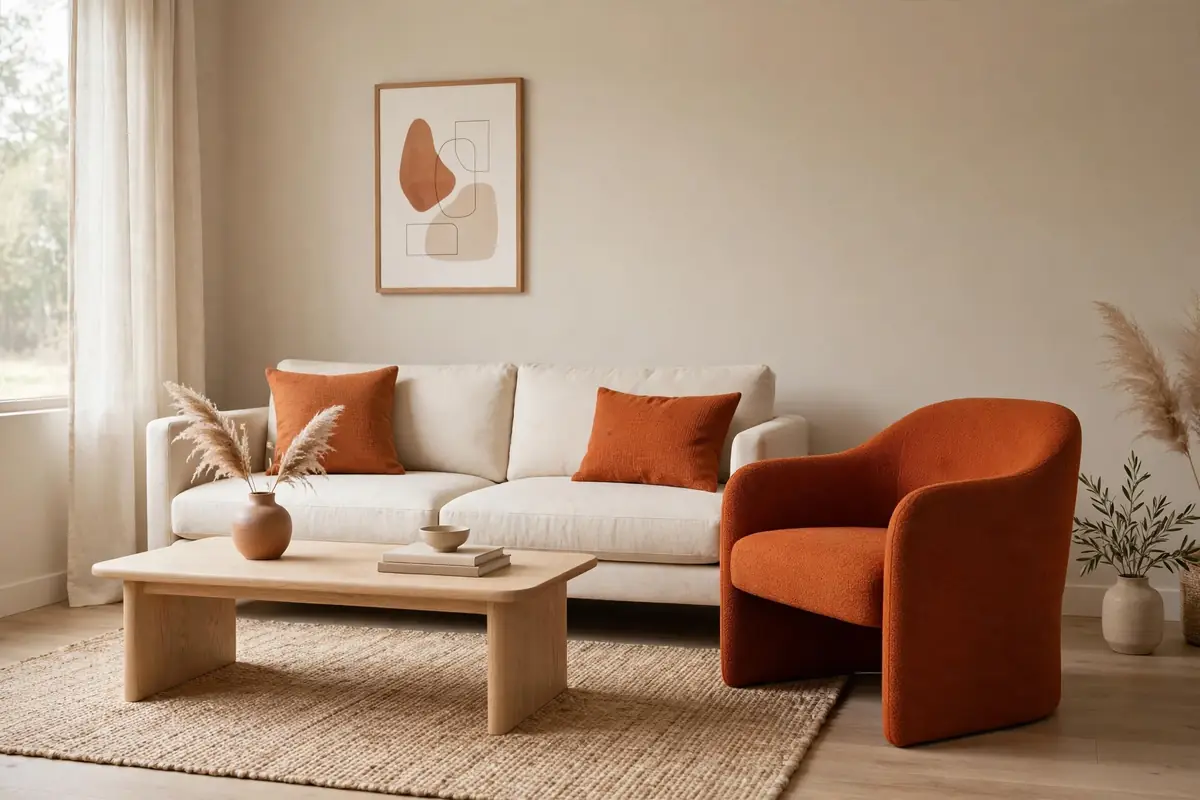
- Pick one accent: Choose rust, mustard, forest green, or dusty blue.
- Repeat it thoughtfully: Use the shade in cushions, artwork, and one decorative object.
- Keep large surfaces neutral: Let walls, rugs, and major furniture remain understated.
- Balance the contrast: Include natural wood or textured fabrics to soften the palette.
A single accent color makes decorating decisions easier because it gives you a clear starting point. You don’t need matching furniture or expensive accessories to achieve consistency. Repeating the same shade in three or four places creates a visual connection, while leaving enough neutral space keeps the room feeling calm.
11. Floating Furniture Layout
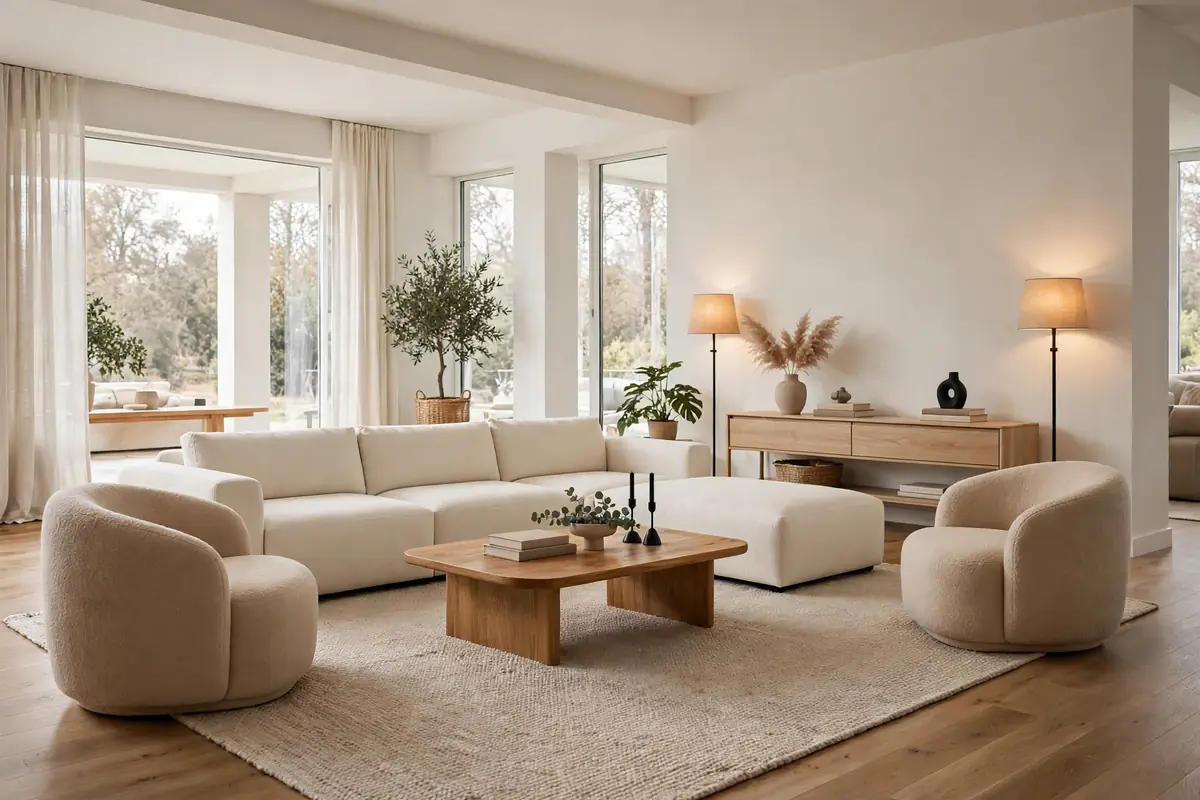
Quick Tip:
Pull your sofa slightly away from the wall and position an appropriately sized rug underneath the front furniture legs. Keep a comfortable walking path around the seating arrangement, ideally around 30 to 36 inches where space allows.
Floating furniture creates a more intentional layout because the seating becomes its own defined area. It works particularly well in open-plan homes where the living and dining spaces need visual separation. A narrow console behind the sofa can provide useful storage, a place for lamps, and a finished appearance from the other side.
12. Vaulted Ceiling Drama
BEFORE
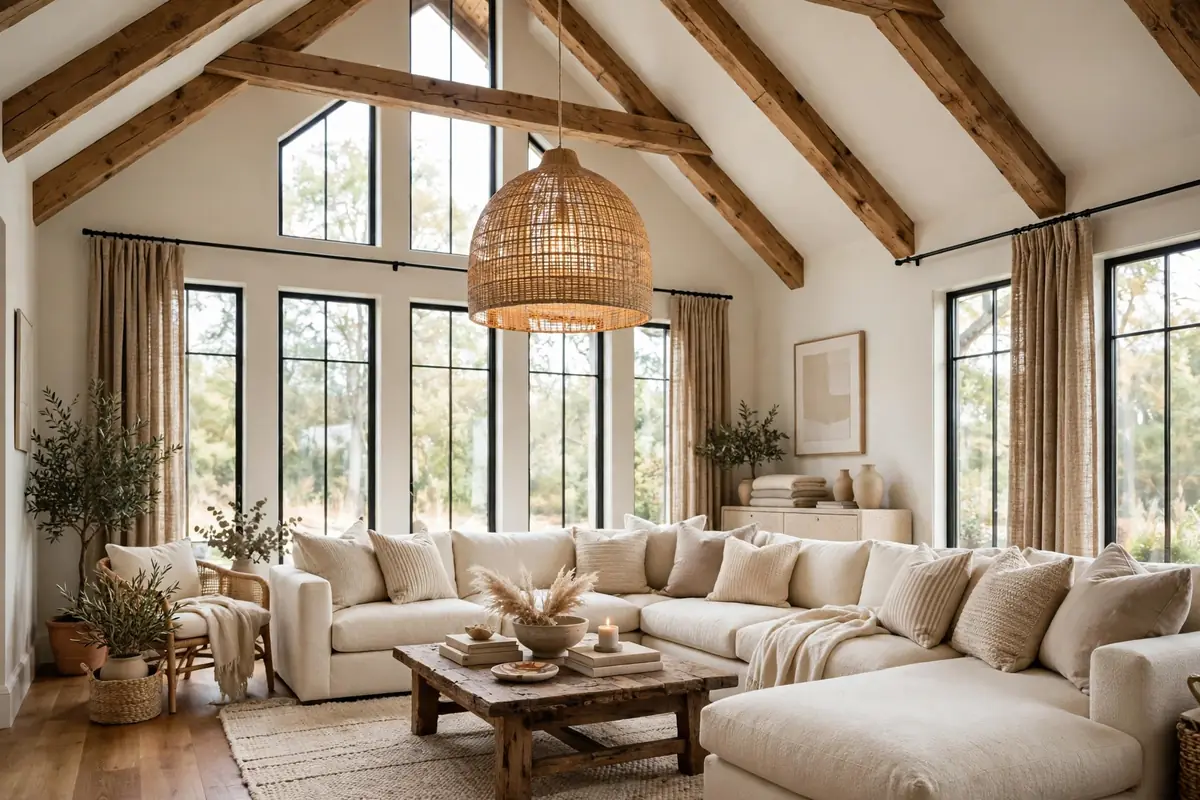
A tall ceiling can make furniture feel disconnected when everything sits low in the room. Small artwork, undersized lighting, and short curtains may exaggerate the empty vertical space.
AFTER
Hang curtains closer to ceiling height, choose a generously scaled pendant, and introduce larger artwork. Position taller plants or bookcases strategically to connect the upper and lower portions of the room.
High ceilings provide an opportunity to use dramatic proportions without adding unnecessary decoration. Choose lighting that suits the ceiling height, and check installation requirements before selecting a heavy fixture. A large area rug and substantial seating arrangement will also help the room feel grounded rather than empty.
13. Statement Color Pop
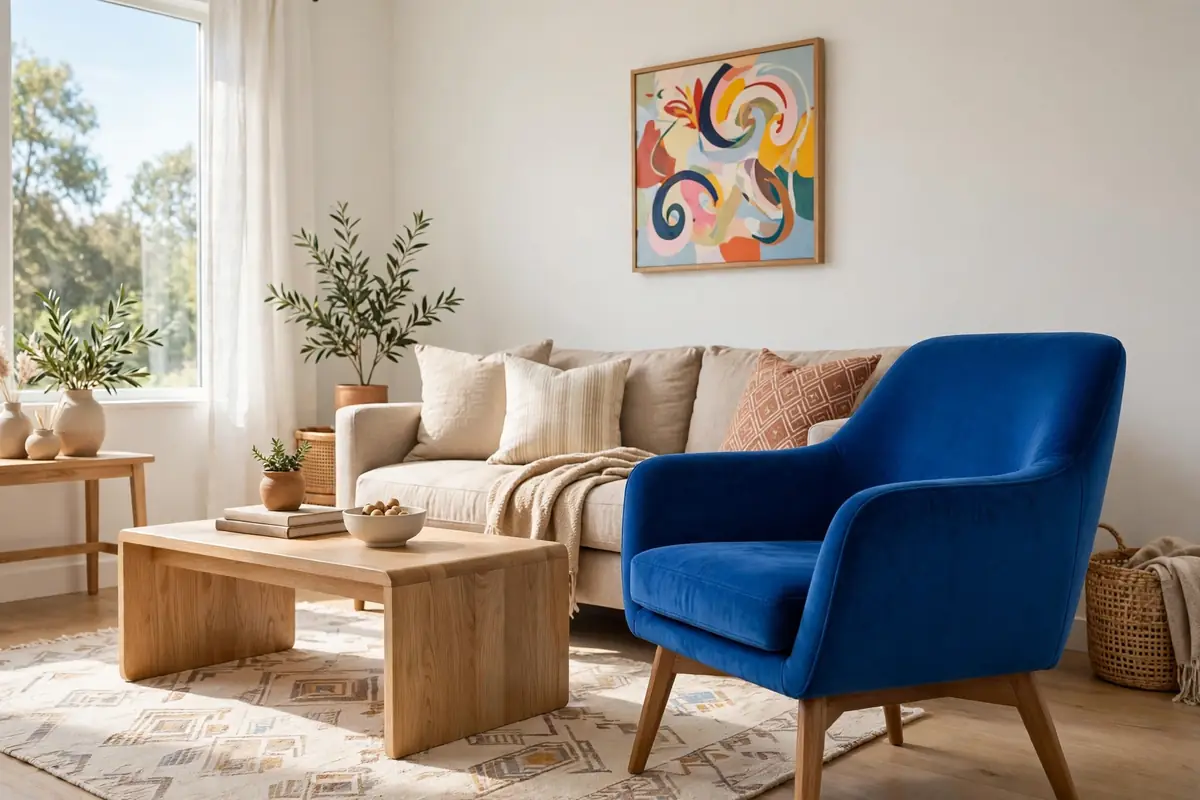
- Choose the focal piece: Select one colorful chair, sofa, or large artwork.
- Establish a neutral base: Keep surrounding walls, rugs, and larger furniture relatively quiet.
- Repeat a related shade: Add one or two small accessories in the same color family.
- Check the balance: Step back and make sure the colorful piece remains the main attraction.
A statement color works because it gives the eye somewhere interesting to land. You can create the effect with a new accent chair, a painted side table, or even a colorful secondhand furniture find. Keep the remaining accessories restrained so the strongest shade doesn’t compete with everything around it.
14. Collected Eclectic Mix
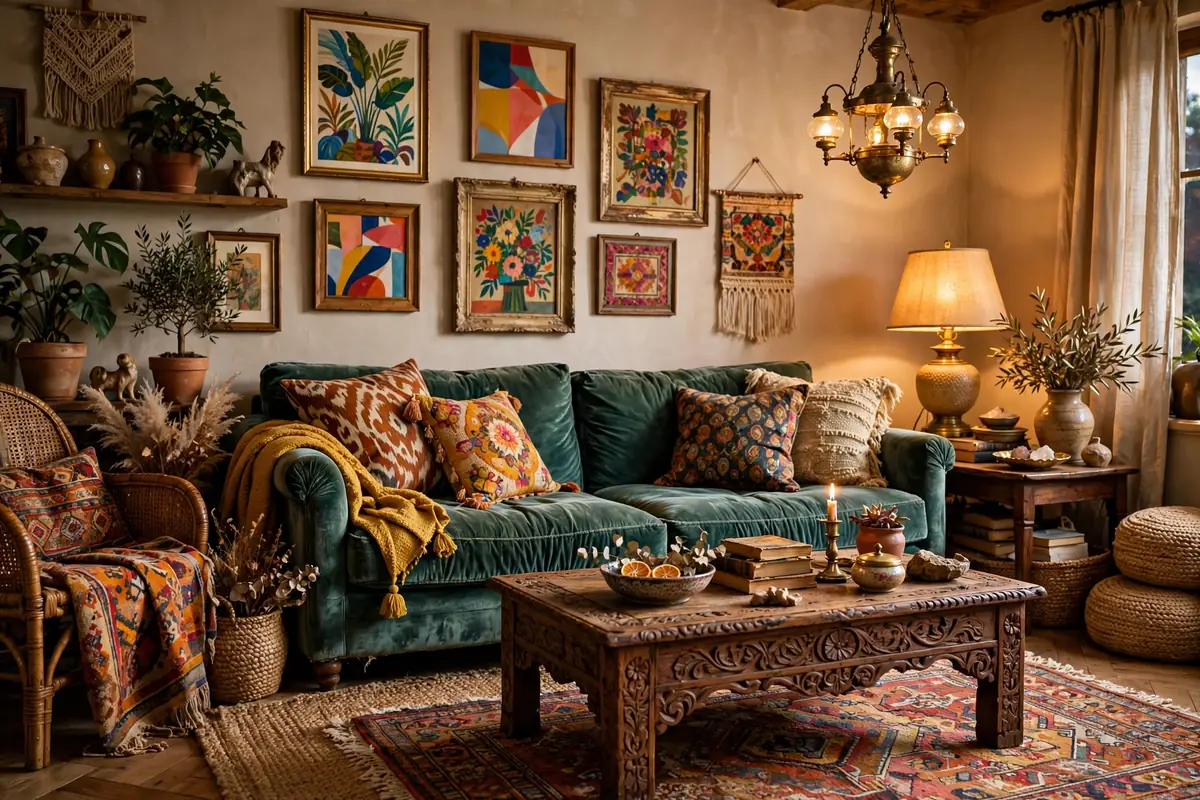
Option A: Carefully Matched Eclectic Style
- Colors: Three or four coordinated shades.
- Furniture: Similar wood tones and complementary silhouettes.
- Accessories: A few selected vintage and modern pieces.
- Overall mood: Relaxed and visually connected.
Option B: Bold Collected Style
- Colors: Multiple contrasting colors and patterns.
- Furniture: Different periods, shapes, and finishes.
- Accessories: Personal collections and unusual decorative finds.
- Overall mood: Expressive, playful, and individual.
An eclectic room should reflect the people who live there rather than follow a strict decorating formula. The easiest starting point is to choose a shared element, such as a warm color, repeated material, or similar furniture scale. This small connection helps unrelated pieces feel intentional instead of randomly assembled.
15. Styled Open Shelves
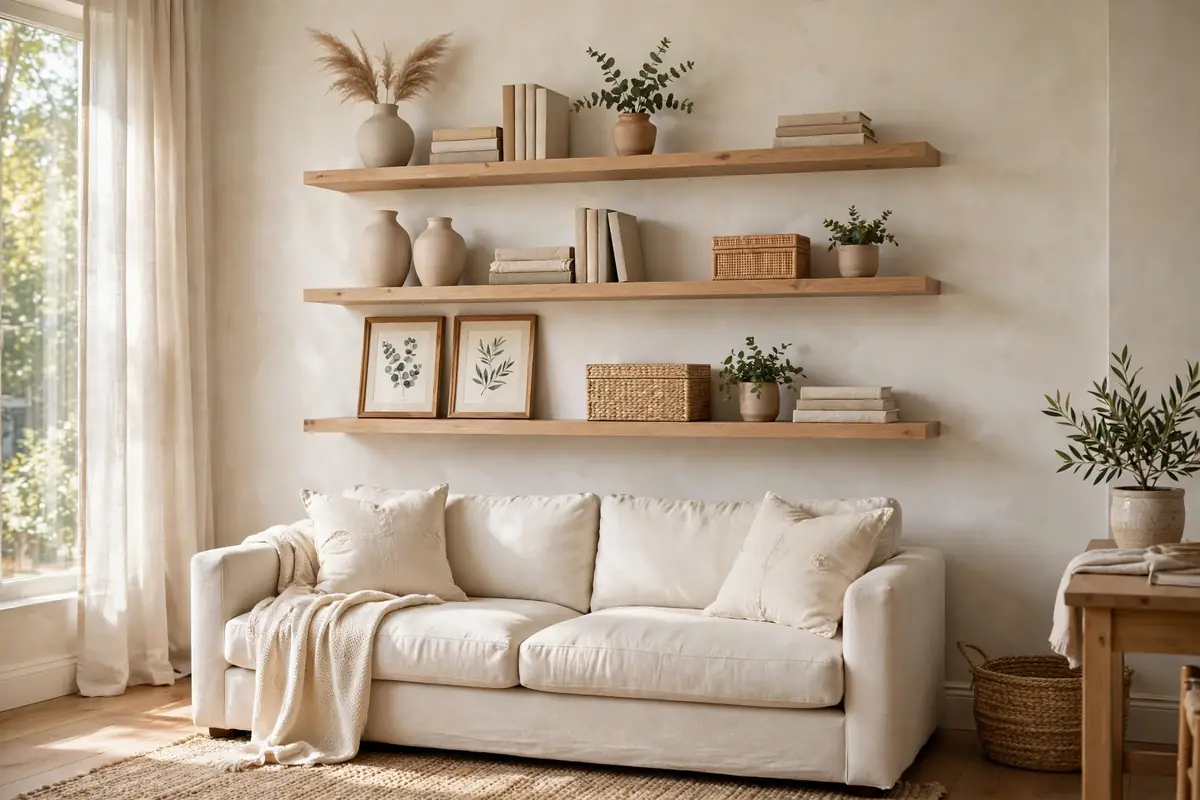
DO:
- Arrange books in both horizontal and vertical stacks.
- Mix decorative objects with useful storage pieces.
- Leave open areas between larger accessories.
- Repeat a few colors throughout the display.
DON’T:
- Fill every shelf with tiny ornaments.
- Display too many competing patterns.
- Ignore practical storage needs.
- Place fragile objects where children or pets can easily reach them.
Open shelving looks best when it has a mixture of empty space and carefully selected objects. Begin with larger items, then fill the gaps with smaller accessories. If you need more concealed storage, use attractive baskets on the lower shelves. This keeps everyday clutter out of sight while preserving the lighter appearance.
16. Cream Monochrome Calm
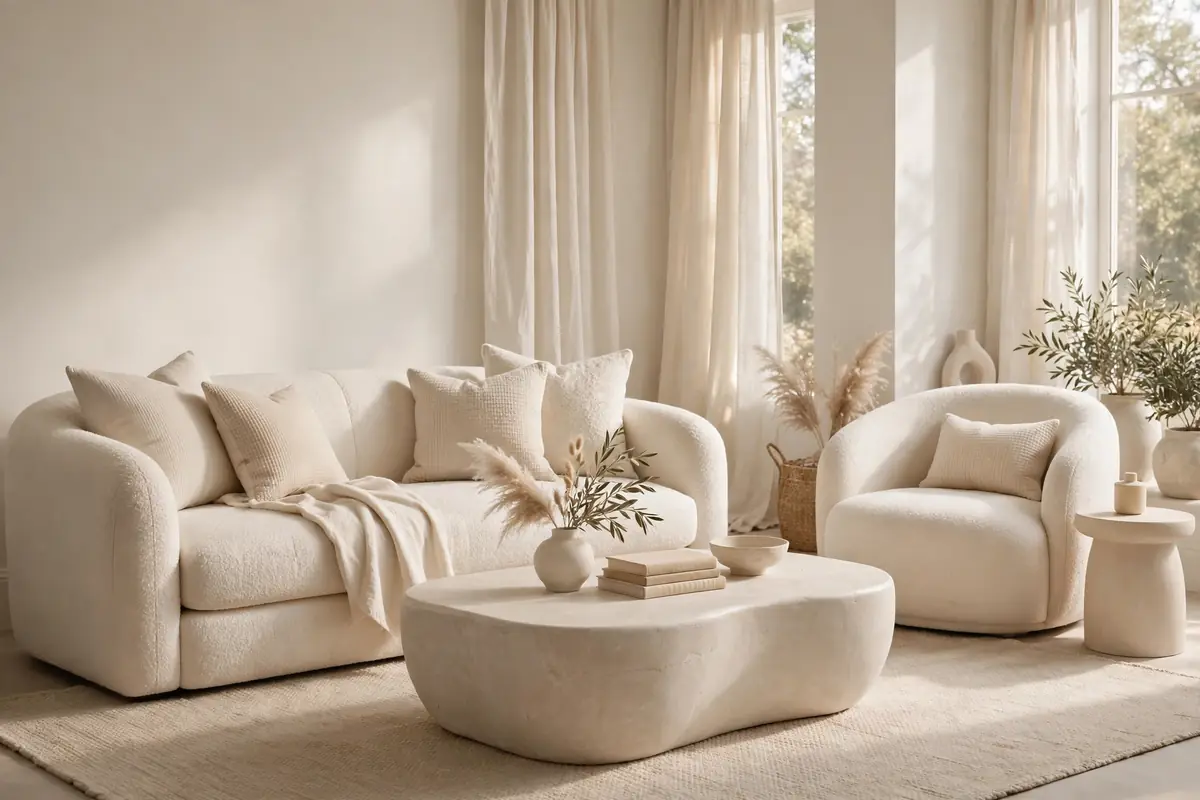
- Color palette: Ivory, cream, oatmeal, and warm beige.
- Main materials: Linen, boucle, wool, wood, and stone.
- Budget: Flexible, depending on furniture and fabric choices.
- Best for: Bright rooms and anyone who enjoys understated decorating.
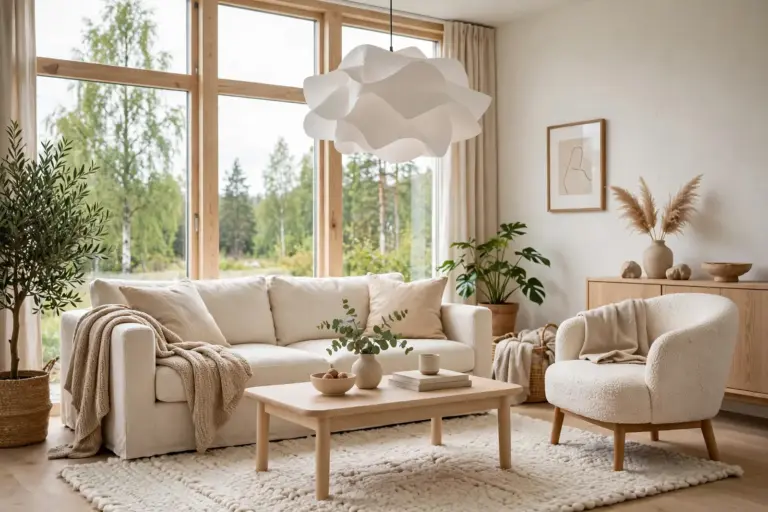
A monochromatic scheme feels interesting when the textures do most of the work. Combine smooth painted walls with nubby upholstery, soft rugs, and natural wood accents. Avoid buying every piece in exactly the same shade. Small tonal differences create the depth that keeps a neutral room from looking like a furniture showroom.
17. Dark Accent Wall
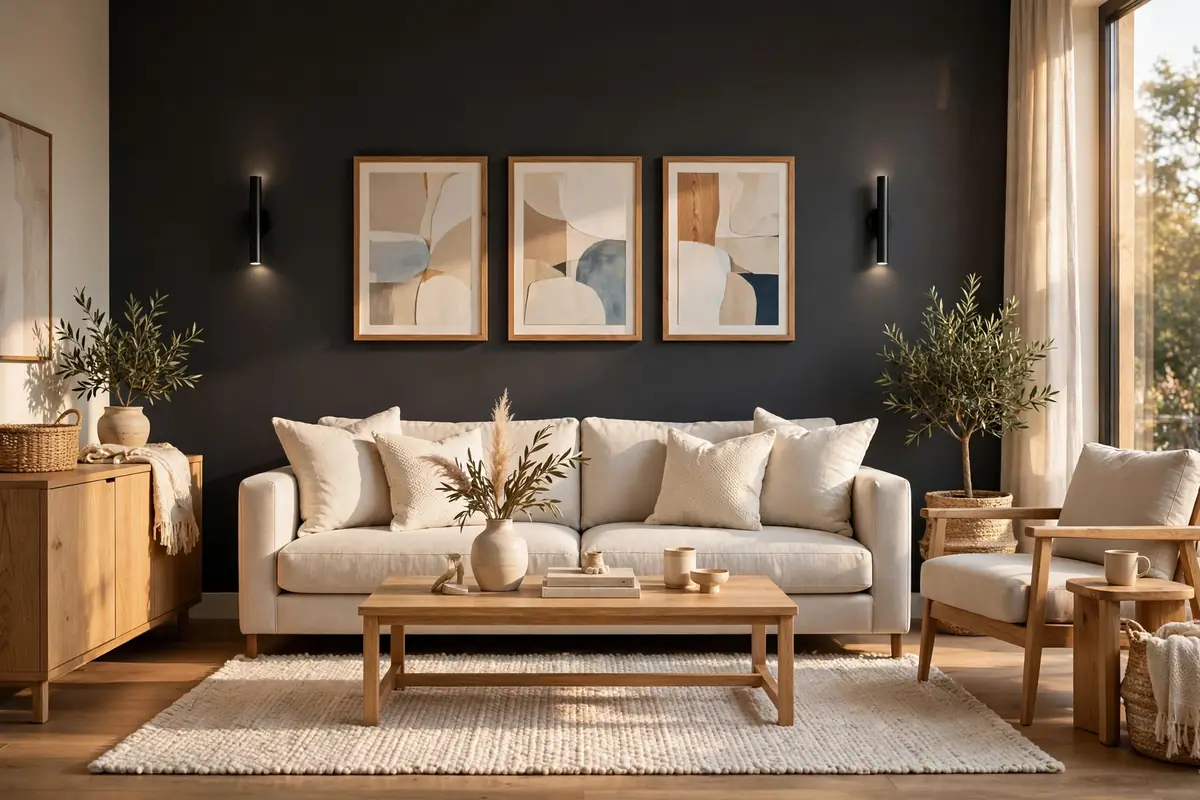
A dark accent wall adds depth and makes lighter furniture stand out beautifully. Charcoal, deep navy, and forest green are especially effective behind a neutral sofa or a simple console table.
For a balanced result, keep the other walls lighter and repeat a little of the darker shade through picture frames or lighting. Before painting, test a sample on the intended wall and observe it throughout the day. Rooms with limited daylight may benefit from a softer charcoal rather than an almost-black finish.
18. Window View Seating
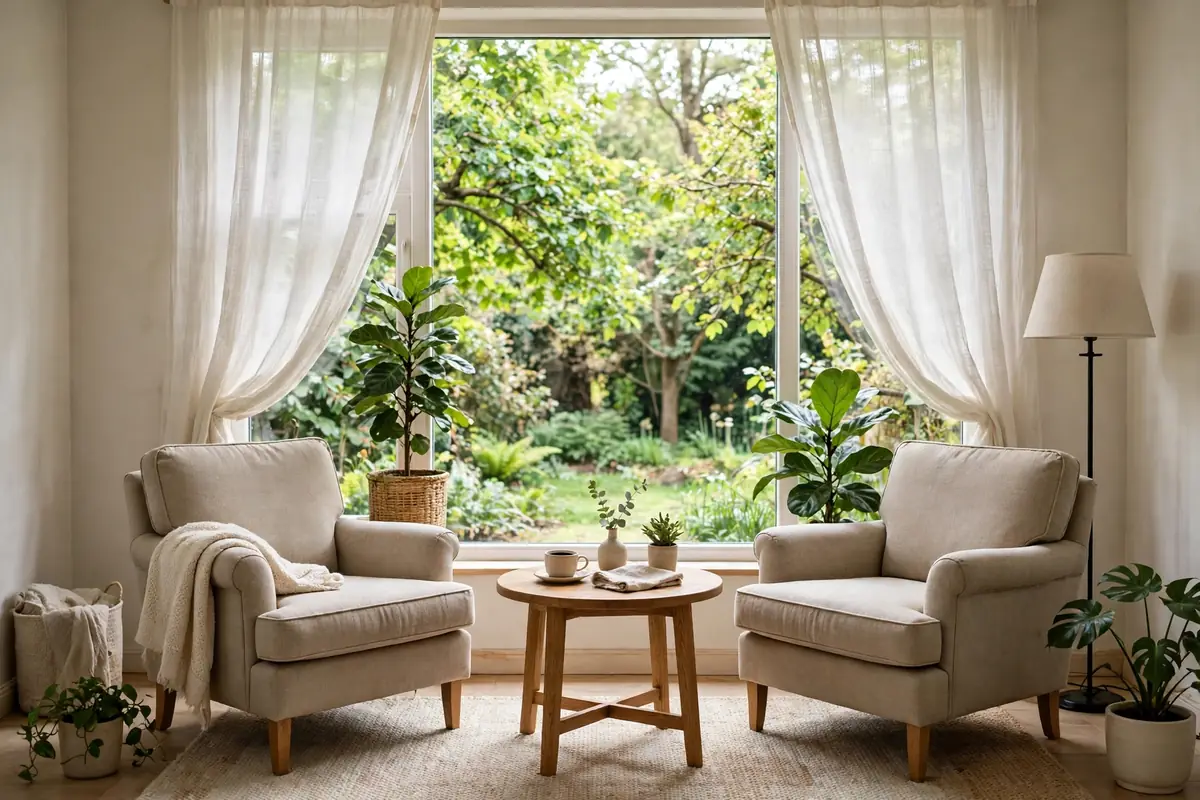
- Choose the right position: Place seating where it captures the best available view.
- Keep window treatments light: Sheer curtains soften daylight without blocking it completely.
- Add a small table: Provide a convenient surface for drinks and books.
- Use comfortable lighting: Include a reading lamp for evenings.
- Preserve the view: Avoid tall furniture directly in front of the window.
Window-facing seating makes a living area feel more connected to its surroundings. Even an ordinary garden, courtyard, or street view can provide a pleasant focal point. If your room is small, try one comfortable chair with a compact side table rather than forcing a large sofa into the window area.
19. Bold Jewel Palette
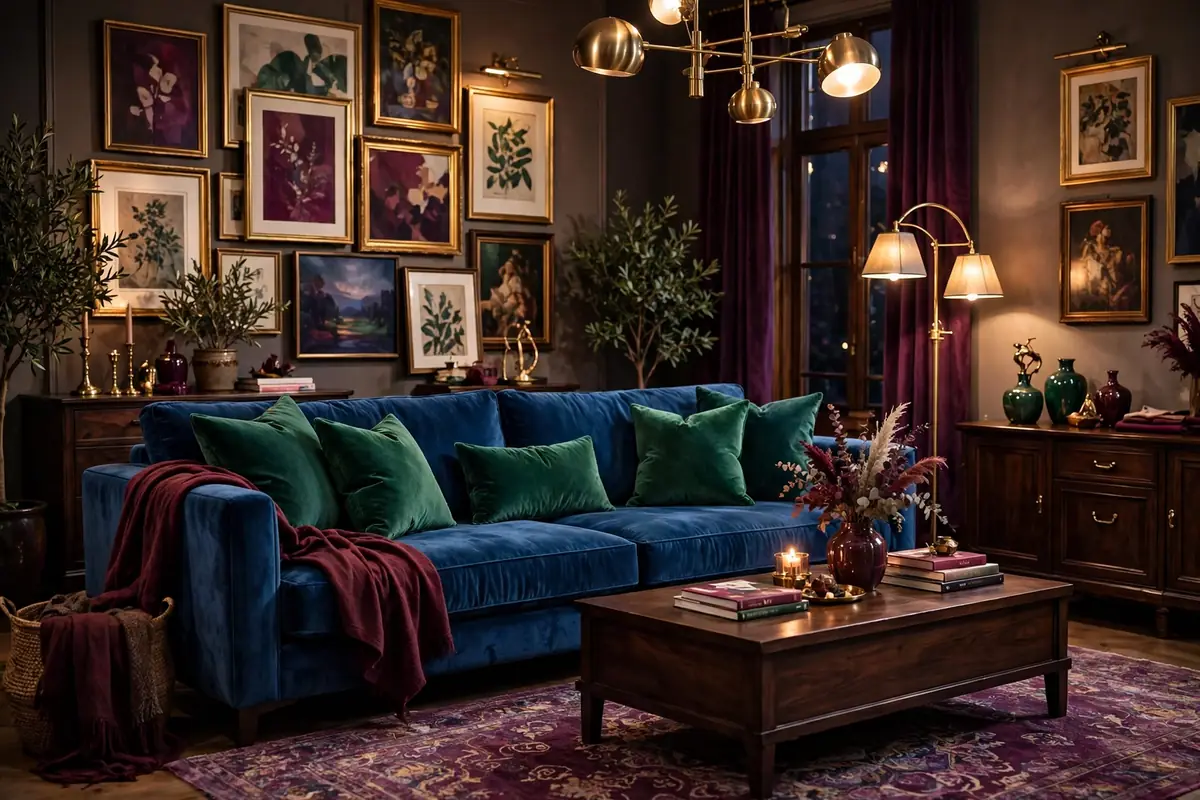
Quick Tip:
Choose one jewel tone as the main color, then select two complementary shades for smaller accents. Keep the walls and larger background surfaces relatively quiet so the richer colors have room to stand out.
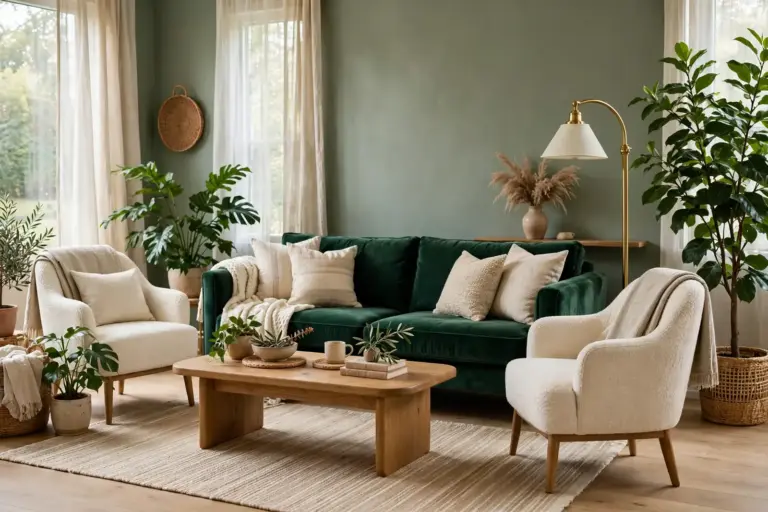
Jewel tones work particularly well in rooms that need personality and visual depth. Velvet upholstery, painted furniture, and colorful artwork are simple ways to introduce these shades. If you’re nervous about committing to a bold sofa, start with cushions or a rug that can be changed later without replacing major furniture pieces.
20. Subtle Animal Prints
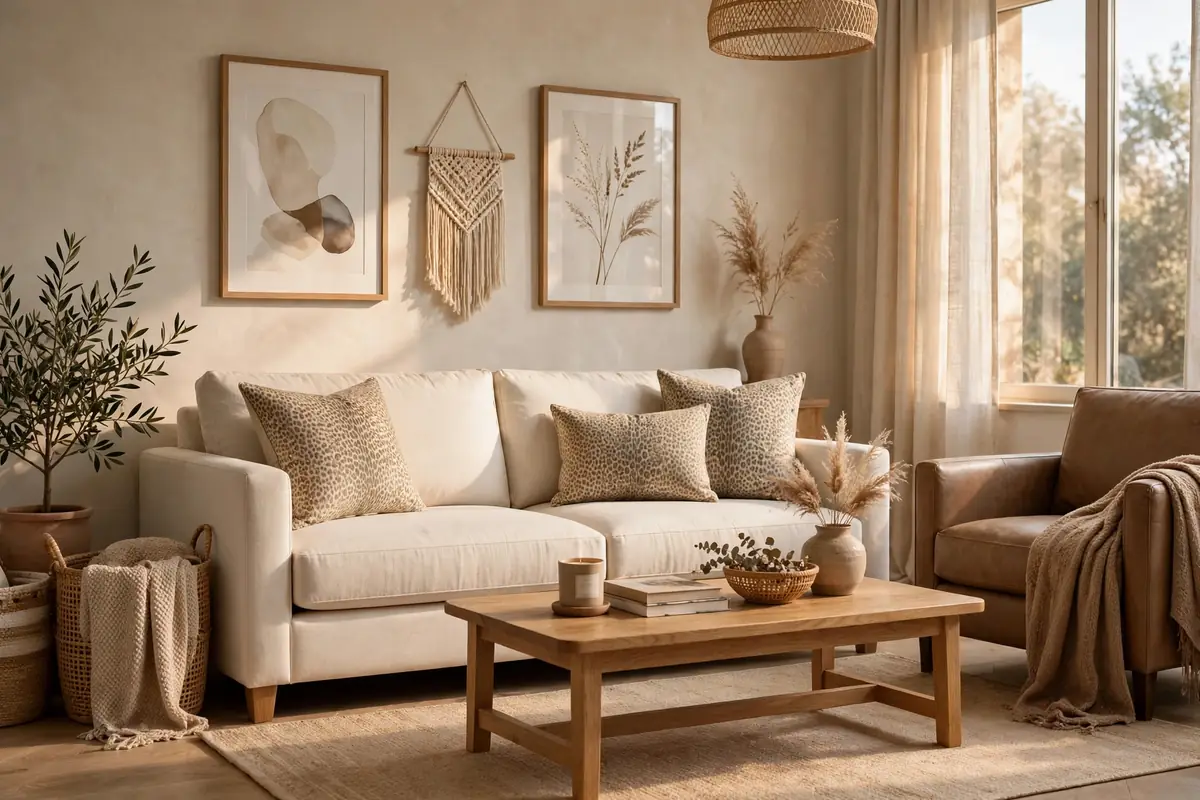
BEFORE
A completely neutral seating arrangement can sometimes feel repetitive. Adding several unrelated decorative pieces may create clutter without giving the room a clear focal point.
AFTER
Introduce one or two animal-print cushions, a small patterned stool, or a subtle accent rug. Keep the remaining textiles solid and repeat the print’s natural colors through wood, leather, and warm neutrals.
Animal prints are most effective as small decorative details rather than competing focal points. Leopard, zebra, and subtle tiger-inspired patterns can all work with neutral furniture. Choose a pattern that complements your existing color palette, and avoid mixing several oversized prints in the same seating area.
21. Travel-Inspired Details
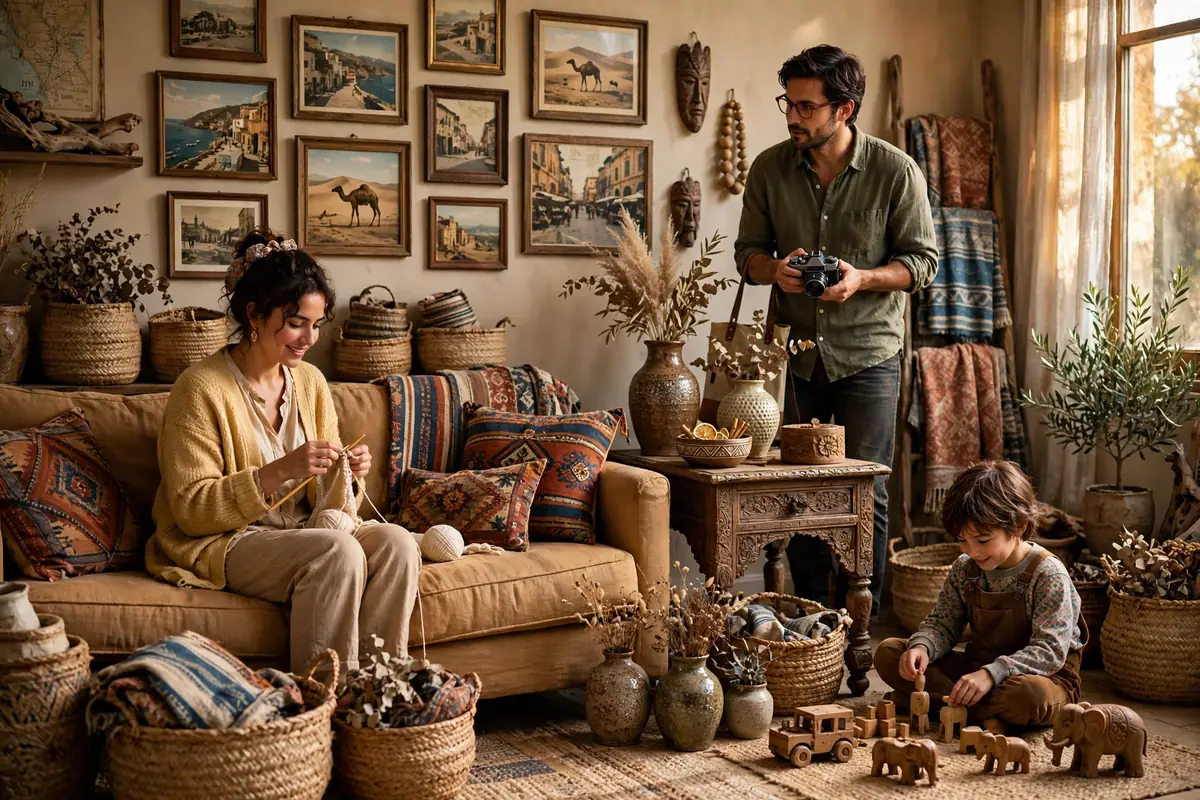
- Display meaningful artwork: Frame photographs, maps, or prints from places you love.
- Introduce handcrafted details: Use ceramics, woven baskets, or carved wooden objects.
- Layer interesting textiles: Combine patterned cushions with a simple neutral sofa.
- Mix old and new: Pair vintage accessories with practical contemporary furniture.
Travel-inspired decorating gives a home a personal story without requiring expensive souvenirs. Start with a few meaningful objects rather than filling every shelf with decorative purchases. A favorite photograph, handmade bowl, or interesting textile can become a conversation piece while making the room feel genuinely connected to your experiences.
Conclusion
Creating a beautiful living room starts with understanding what makes you feel comfortable at home. Whether you love calming cream palettes, dramatic dark walls, natural textures, or colorful furniture, the right living room interior should reflect your personality and everyday needs. Start with one idea, work with the furniture you already own, and introduce new details gradually. You don’t need a huge budget to achieve a welcoming result. Save your favorite ideas to Pinterest, try a look that inspires you, and share this collection with someone planning their next home refresh.