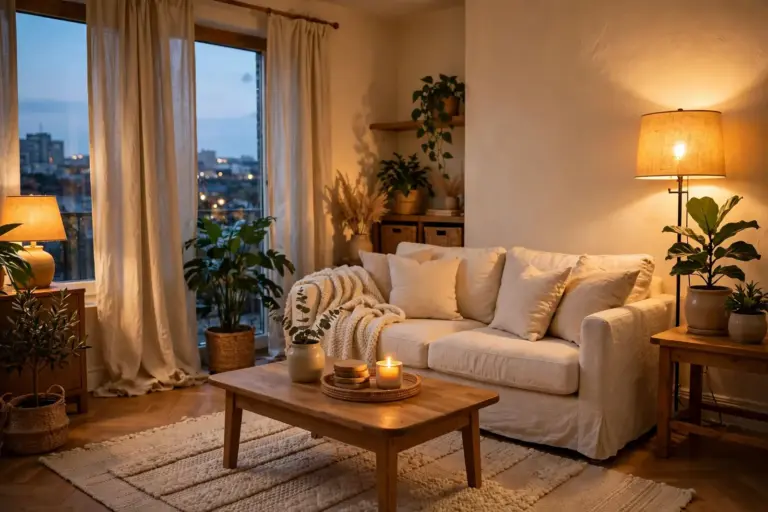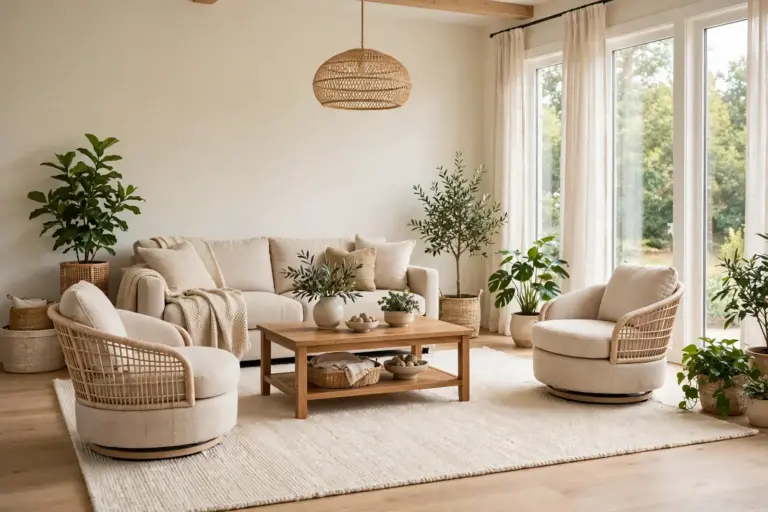
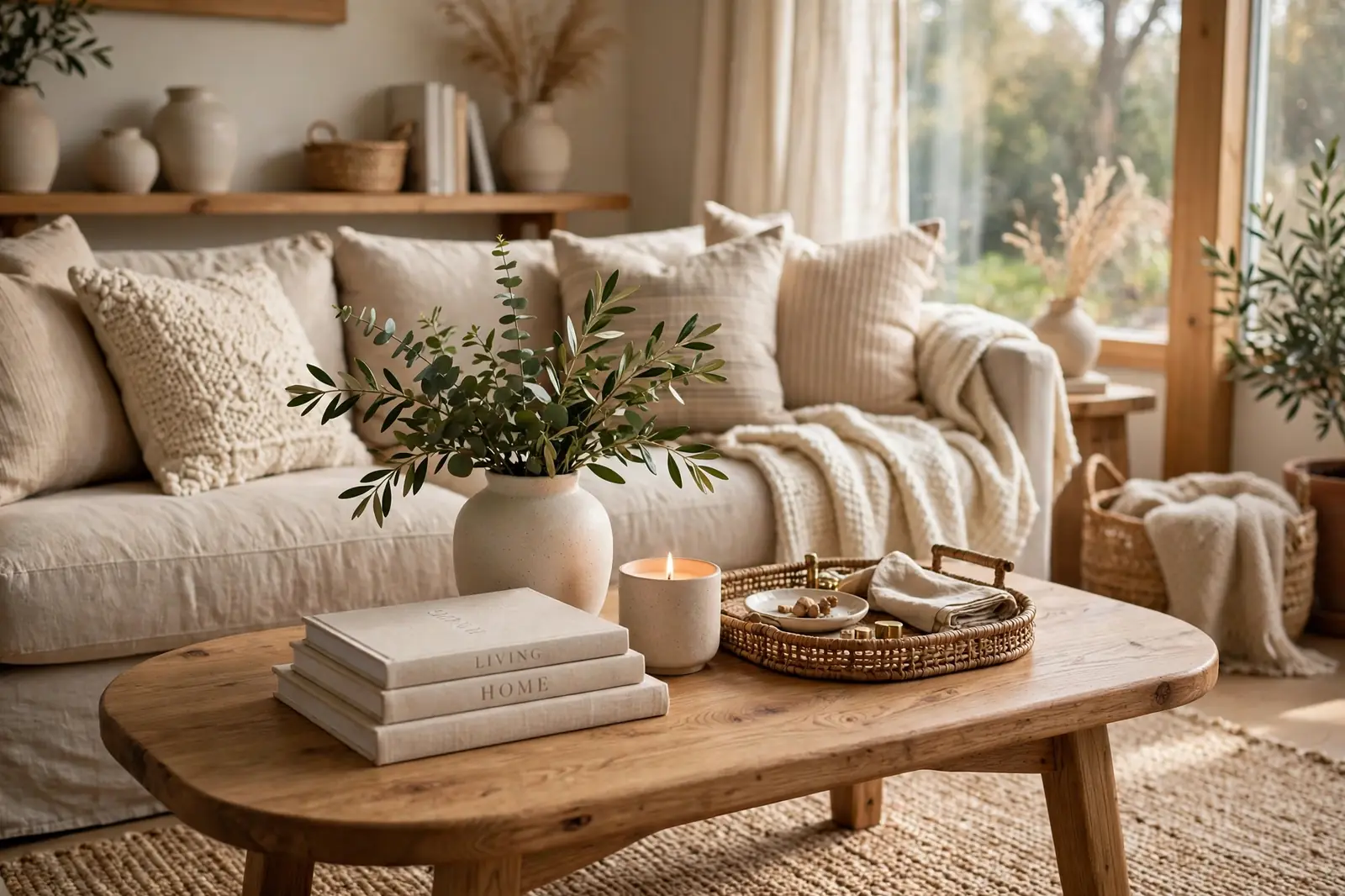
Center Table Living Room Ideas That Look Styled Easily

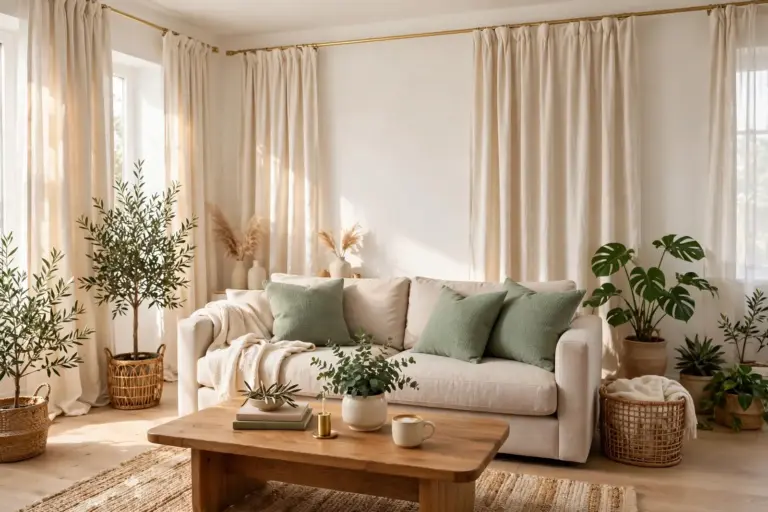
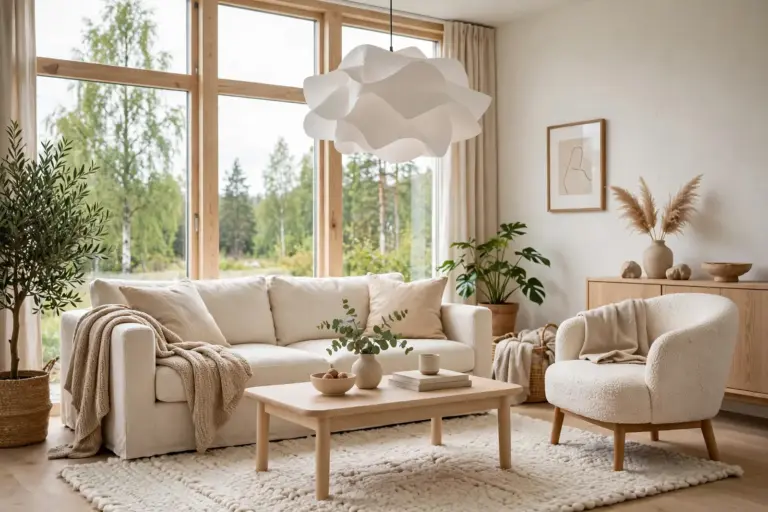
A center table is the piece that pulls a living room together. It gives you a place for coffee, books, and candles, while also setting the style for the whole seating area. The right center table living room setup makes the room feel finished without making it look overdecorated. Size, shape, material, and styling all work together — a table that is too large crowds the room, while one that is too small looks lost. This guide covers smart sizing, easy styling formulas, budget-friendly finds, and practical ideas for busy family homes. With a few simple choices, your center table can look styled and effortless every day.
How to Choose the Right Size and Shape for Your Sofa
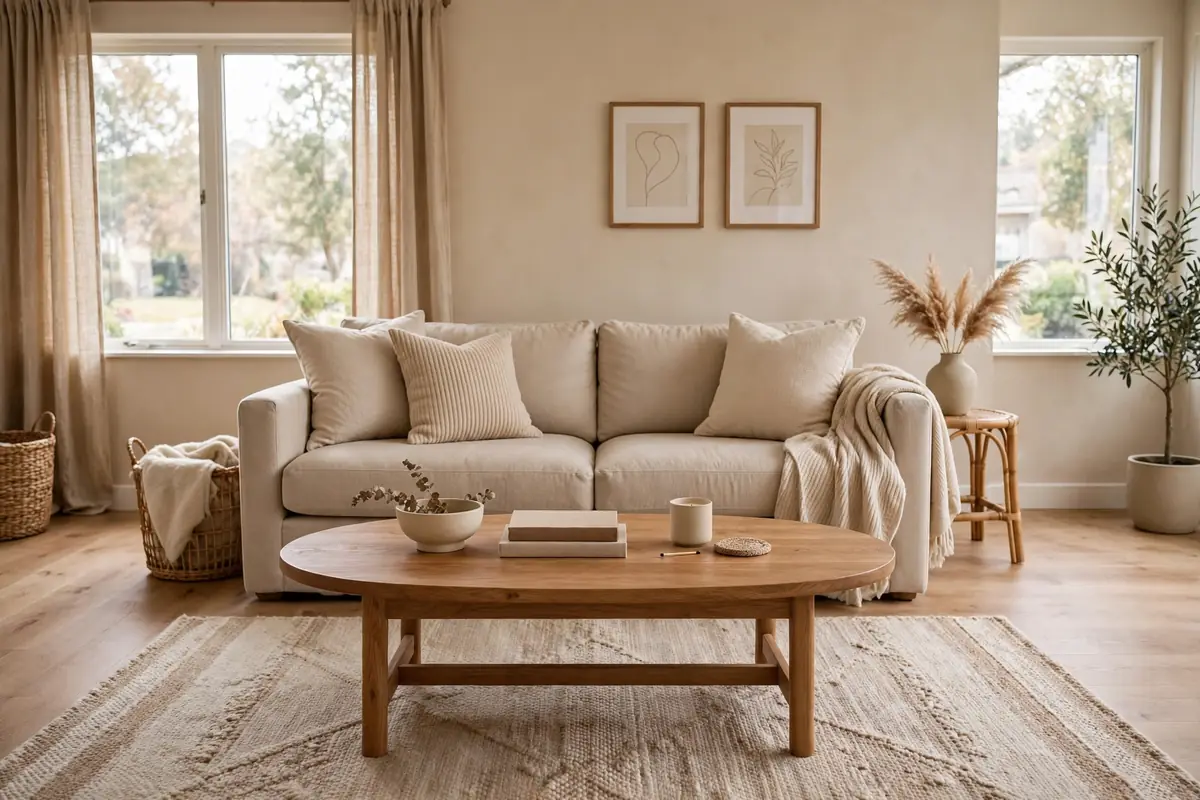
Choosing the right size starts with your sofa, not the table. A table that matches your seating will look balanced and feel comfortable to use every day.
Measure the sofa first. A good rule is to choose a table about two-thirds the length of your sofa. For a standard 84-inch sofa, a table around 56 inches long works well. Leave at least 18 inches between the sofa and the table so you can reach it comfortably, and keep 30 inches of walkway around the seating area where possible.
Match the shape to the room. A rectangular table suits a long sofa and a larger room. A round or oval table works better in a smaller space because it has no sharp corners and is easier to walk around. A square table fits well with a loveseat or a sectional corner.
Check the height. The table should be about the same height as the sofa seat, or 1 to 2 inches lower. A table that is too tall feels awkward, while one that is too low is hard to reach.
Think about how you use it. If you eat meals or work from the sofa, a lift-top table or a table with a larger surface works better. If the table is mostly decorative, a smaller, lighter design is enough.
Leave breathing room. Avoid filling every inch of floor space. A little empty floor around the table makes the room feel larger and more relaxed.
Small living room decor principles apply here too — the same smart sizing and clear walkways that open up a tight room also make a center table look balanced and intentional.
Wood, Glass, Metal, or Stone: Which Table Type Fits Your Home
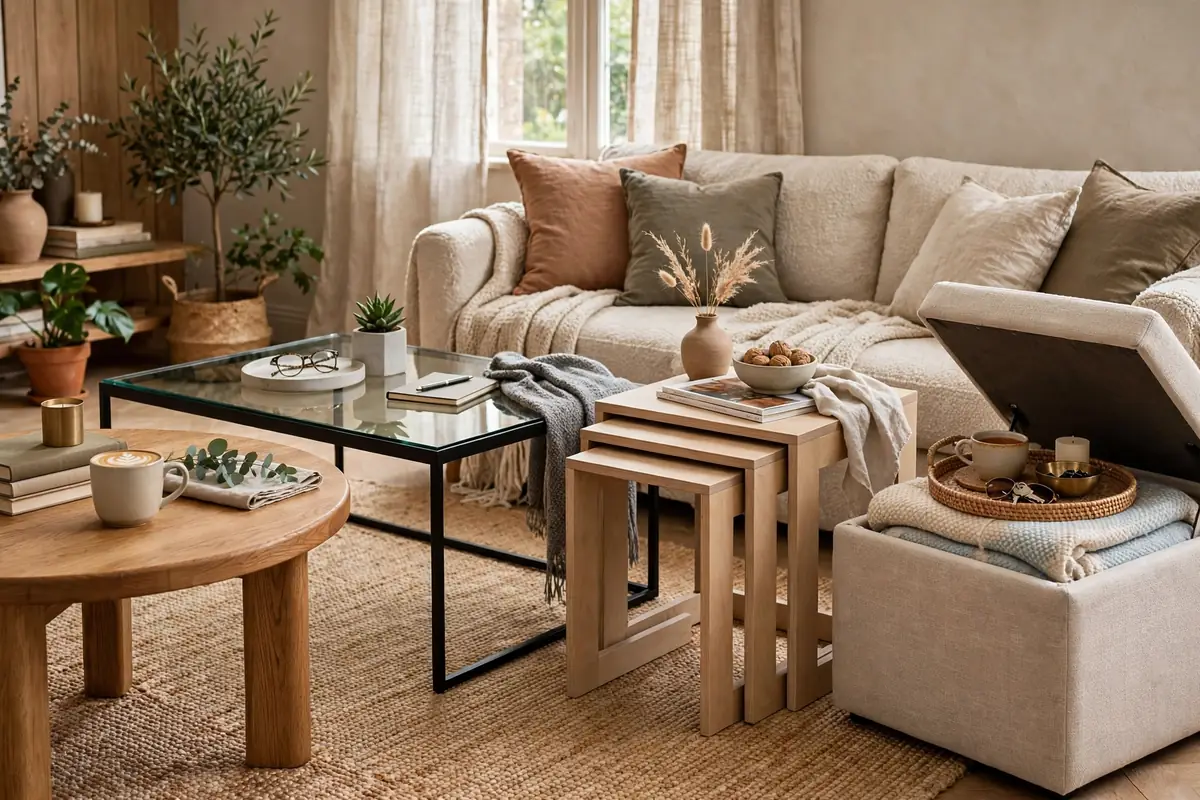
The material you choose sets the mood of the room. Each option has its own strengths, so pick the one that matches your lifestyle and existing furniture.
Wood brings warmth and character. Reclaimed wood, oak, and walnut all work well with neutral sofas and natural textures. Wood is sturdy and easy to repair, but it needs coasters to prevent water marks.
Glass makes a small room feel larger because you can see through it. A glass-top table with a metal or wood base is a good choice for compact spaces. It needs regular cleaning to stay smudge-free.
Metal adds a modern edge. Black iron, brass, and brushed steel all suit contemporary rooms. Metal frames are strong and slim, which helps in tight spaces.
Stone feels solid and luxurious. Marble, travertine, and concrete tops look beautiful with soft fabrics. Stone is heavy and can stain, so it needs sealing and careful cleaning.
Mixed materials combine the best of both worlds. A wood top with metal legs, or a stone top with a wooden base, adds visual interest without overwhelming the room.
Choose a material that already appears elsewhere in the room — in the floor, the side tables, or the light fixtures. This repetition makes the table feel like part of the room rather than a separate piece.
The Three-Step Styling Method That Always Works
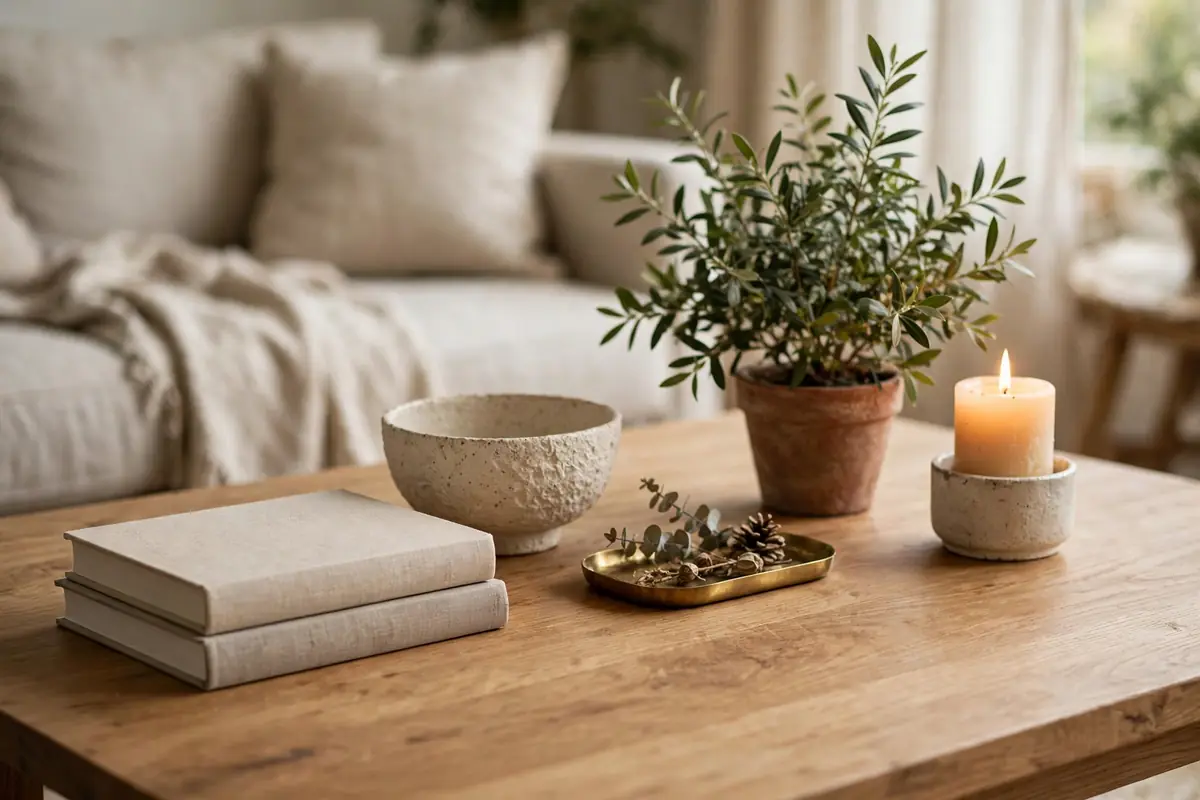
A simple method makes styling easy, even if you have never decorated a table before. Start with a base, add height, and finish with a personal touch.
Step 1: Start with a tray. A tray groups items together and protects the table surface. Choose a tray that covers about one-third of the table top. Woven, wooden, and metal trays all work well.
Step 2: Add height with books. Stack two or three books to create a raised platform. Place a small vase, candle, or decorative object on top. Books add colour and personality while giving the arrangement structure.
Step 3: Finish with something living. A small plant, a vase of fresh flowers, or a bowl of greenery adds life and colour. Living elements make the table feel fresh rather than staged.
Keep it simple. Three to five items are enough for most tables. More than that can look cluttered, especially on a smaller surface.
Leave empty space. About one-third of the table should stay clear. Empty space makes the styled items stand out and keeps the table usable for cups and books.
This three-step method works for any table shape and any decorating style. Once you learn it, you can restyle the table in minutes whenever the mood changes.
Easy Designer Formulas for Any Table Shape
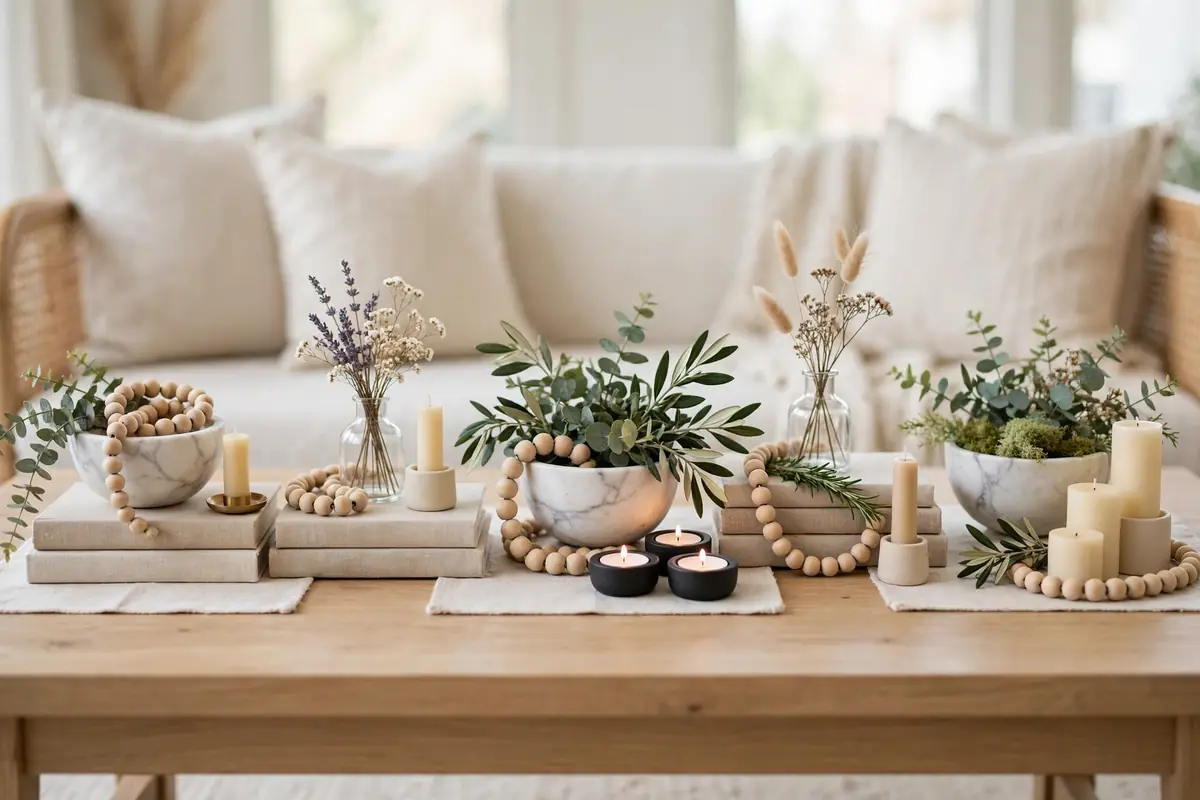
Designer formulas take the guesswork out of styling. Pick one formula, gather the items, and arrange them on the table.
The tray + books + vase formula. Place a tray on one side of the table, stack books inside it, and top them with a small vase. This works on rectangular and oval tables.
The tall + low + flat formula. Combine one tall item (a vase or candlestick), one low item (a stack of books or a bowl), and one flat item (a tray or a placemat). The different heights create visual interest.
The group of three formula. Arrange three items of different heights together — for example, a tall candle, a medium vase, and a small bowl. Odd numbers look more natural than even ones.
The two-zone formula. Divide a long rectangular table into two zones. Style one zone with a tray and books, and leave the other zone mostly clear for everyday use.
The centred formula. Place one statement piece in the centre of a round table — a large vase, a sculptural bowl, or a lantern. Keep the rest of the surface clear so the centrepiece stands out.
Try one formula at a time and adjust it until it feels right. The best arrangement is the one that looks good and still lets you use the table every day.
Add Texture, Height, and Colour Without Clutter
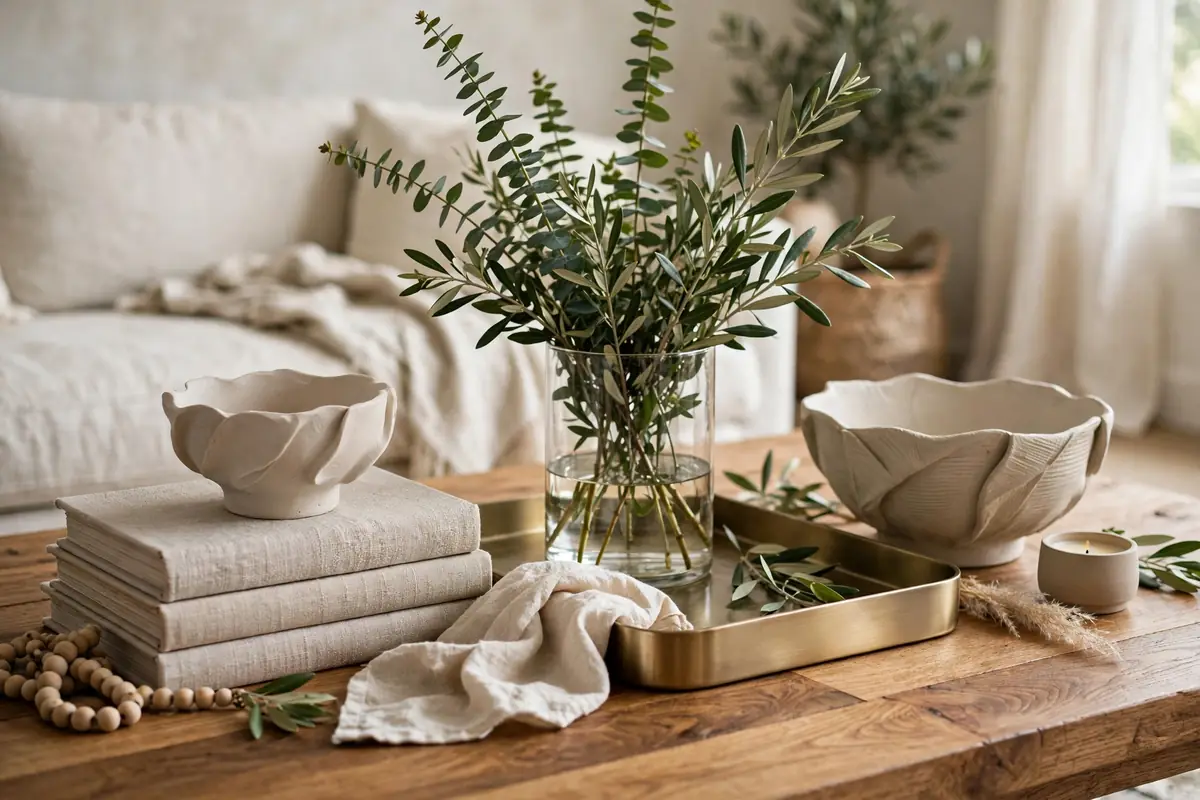
Texture, height, and colour make a table look styled, but too many competing elements can make it feel busy. The key is to add variety while keeping the overall look calm.
Mix three textures. Combine smooth, rough, and soft — for example, a ceramic vase, a woven tray, and a linen coaster. Three textures are enough to add interest without overwhelming the surface.
Vary the heights. Use one tall item, one medium item, and one low item. This creates a pleasing rhythm that draws the eye across the table.
Add one colour accent. Choose one accent colour from the room — a cushion, a piece of art, or a rug — and repeat it in a small item on the table. One accent is enough; more can look scattered.
Use natural elements. A small plant, a bowl of pinecones, or a vase of branches adds organic texture and colour without costing much.
Keep the base simple. If the table itself is ornate, keep the styling minimal. If the table is plain, you can add a little more decoration.
Edit ruthlessly. Step back and look at the table from across the room. Remove one item and see if the arrangement looks better. Often, less is more.
A well-styled table should look intentional but not fussy. It should invite you to sit down, not make you afraid to touch anything.
Storage and Practical Ideas for Real Life
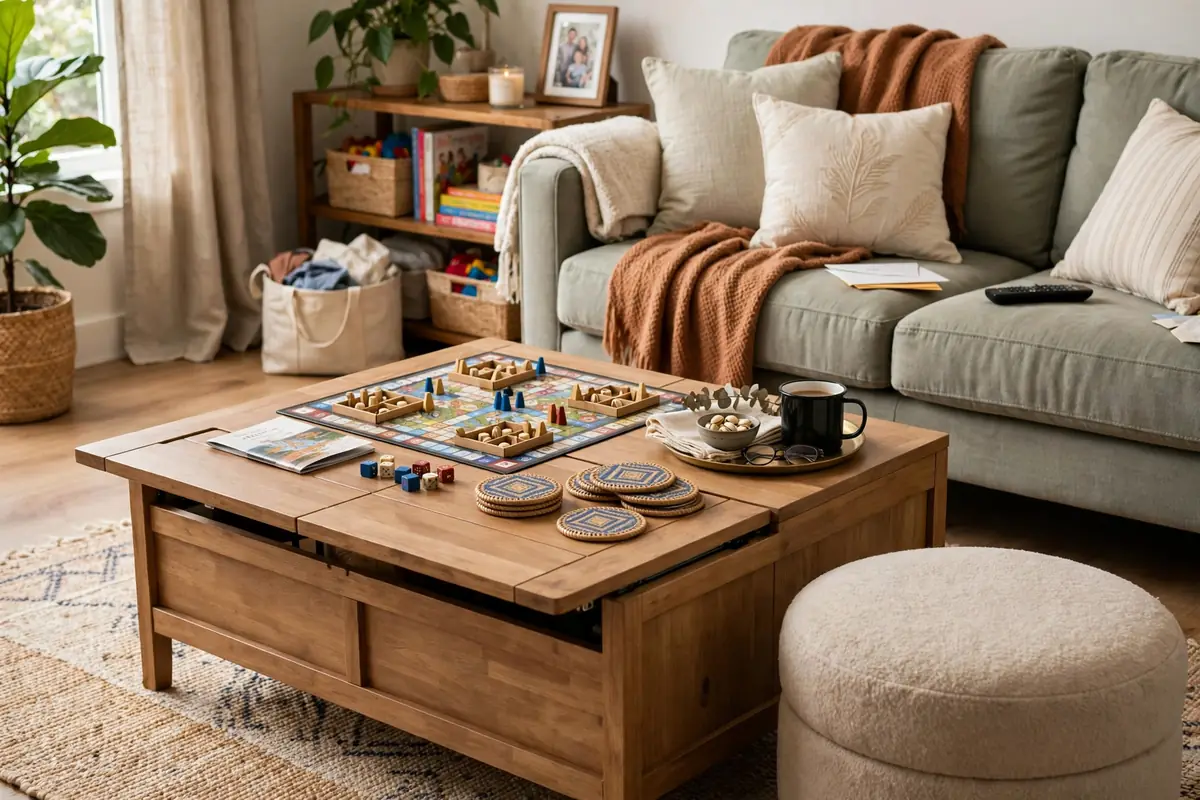
A center table should work as hard as it looks good. In a busy home, storage and practicality matter as much as style.
Choose a lift-top table. A lift-top table raises to desk height for working or dining, and hides storage underneath for laptops, blankets, or board games.
Look for built-in storage. Tables with drawers, shelves, or baskets underneath keep remotes, chargers, and magazines out of sight.
Use baskets underneath. Slide woven baskets under the table to store toys, blankets, or magazines. Baskets add texture while keeping clutter hidden.
Keep a tray for daily items. A small tray can hold the remote, reading glasses, and coasters in one place. This keeps the table tidy without hiding everything away.
Pick easy-clean surfaces. Glass, sealed wood, and stone are easier to wipe clean than raw wood or fabric. Choose a surface that suits your household.
Protect the finish. Use coasters, placemats, and trays to prevent water rings and scratches. A little protection keeps the table looking new for longer.
Practical storage makes the table more useful every day. A table that hides clutter and still looks styled is the best of both worlds.
Budget-Friendly Styling With Thrifted and DIY Finds
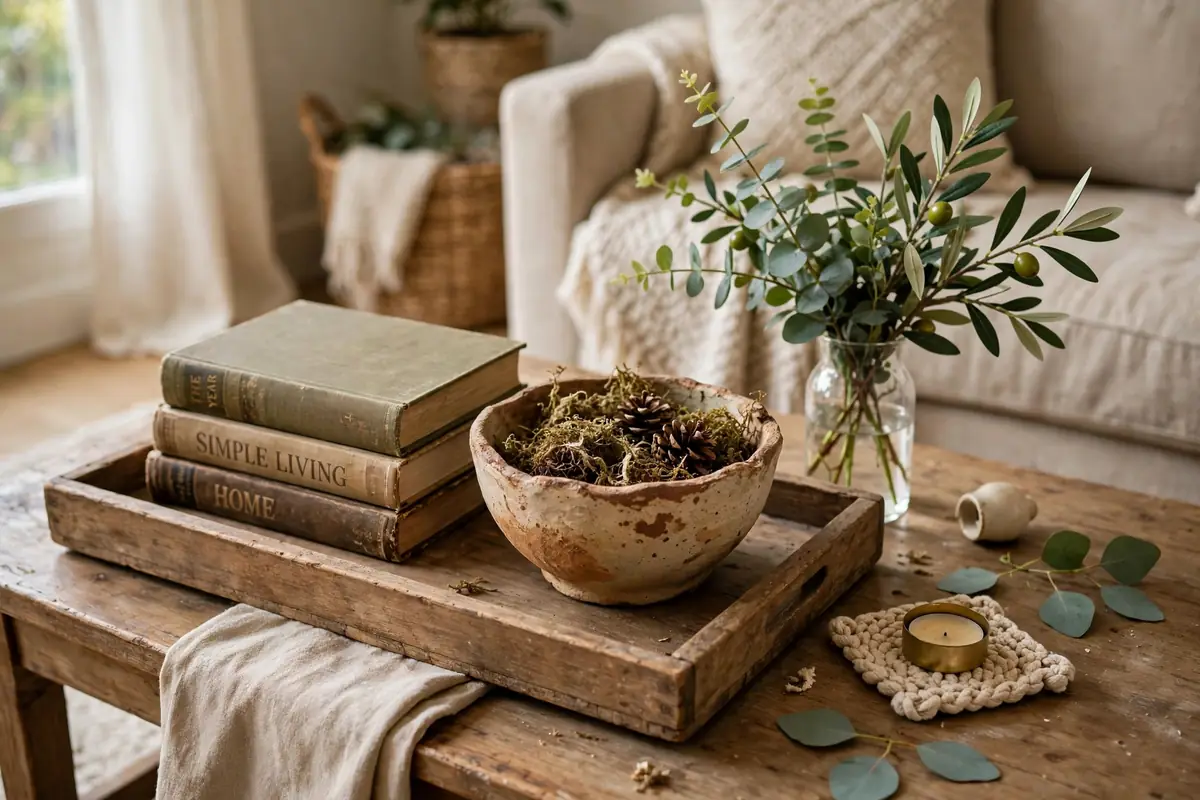
You do not need to spend a lot of money to style a center table beautifully. Thrifted finds, DIY projects, and items you already own can create a polished look for very little money.
Shop secondhand first. Check thrift stores, flea markets, and online resale listings for coffee tables, trays, and vases. A little patience often finds a unique piece for much less than retail.
Make your own tray. A simple wooden tray can be made from a picture frame and a piece of plywood, or from a baking tray painted in a colour that suits your room.
Use books you already own. Stack books with attractive covers or remove the dust jackets for a cleaner look. Books add height and personality for free.
Repurpose household items. A ceramic bowl, a glass jar, or a small basket can become a decorative piece. Look around your home before buying anything new.
Paint and refresh. A coat of paint can transform a tired table or tray. Chalk paint, spray paint, and wood stain are all affordable ways to update a piece.
Swap with friends. Exchange trays, vases, and books with friends or family. A fresh item in your home costs nothing and feels new.
Budget styling is about creativity, not spending. The best-styled tables often use items with a story behind them.
Family-Friendly and Pet-Safe Table Ideas
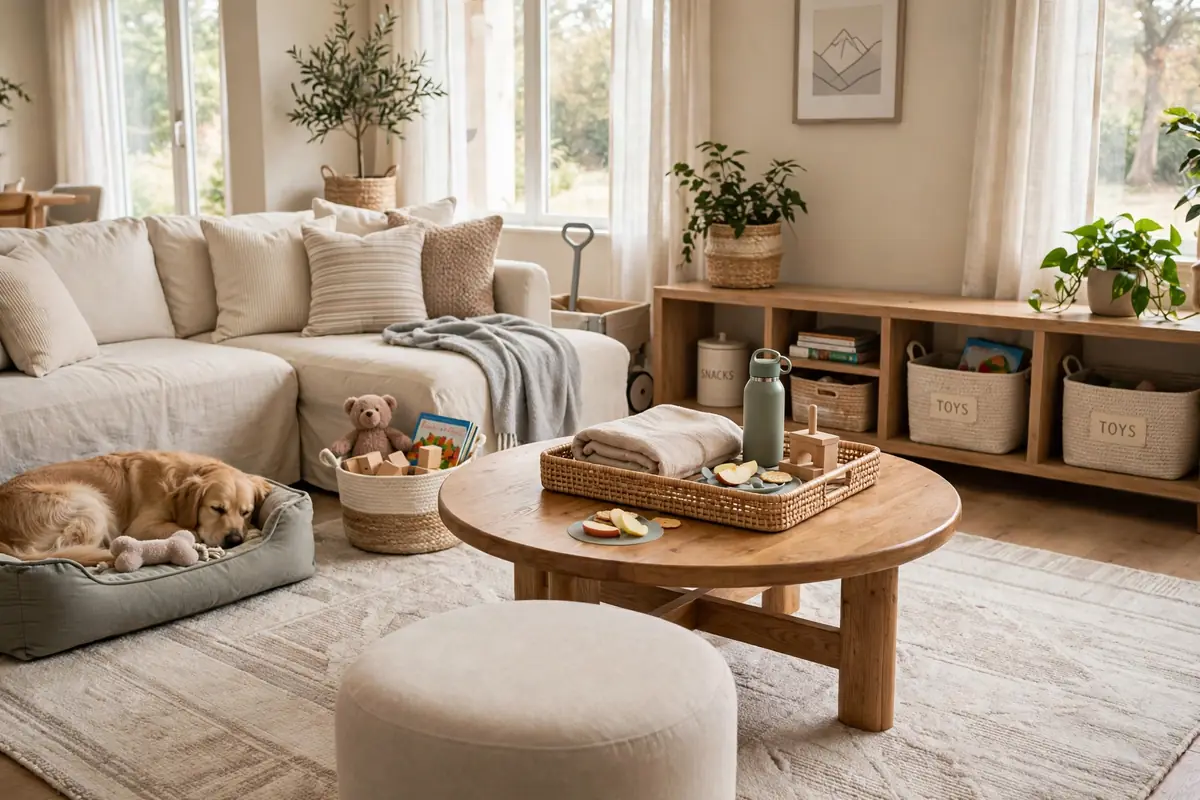
A center table in a family home needs to be safe, sturdy, and easy to clean. The right choices keep everyone comfortable without sacrificing style.
Choose rounded edges. Round and oval tables have no sharp corners, which is safer for toddlers. A soft ottoman used as a coffee table is another safe option.
Pick sturdy materials. Solid wood, metal, and stone are more durable than glass or thin veneer. A heavy table is less likely to tip over if a child leans on it.
Use washable fabrics. If you use an ottoman as a table, choose a washable slipcover. Spills and sticky fingers are easier to clean from washable fabric.
Keep breakables out of reach. Place fragile vases, candles, and glass objects on higher shelves instead of the coffee table. Use sturdy, unbreakable items on the table itself.
Secure the table. If the table is light, anchor it to the wall or use non-slip pads underneath. This prevents tipping if a child climbs on it.
Choose pet-safe materials. Avoid delicate fabrics and easily scratched surfaces if you have pets. Leather, sealed wood, and metal hold up better to claws and fur.
Keep cleaning simple. Choose surfaces that wipe clean easily. A quick wipe should be enough to handle most everyday messes.
A family-friendly table does not have to look plain. With the right materials and a little planning, it can be both safe and stylish.
One Tray, Four Styles: Modern, Farmhouse, Boho, and Minimalist
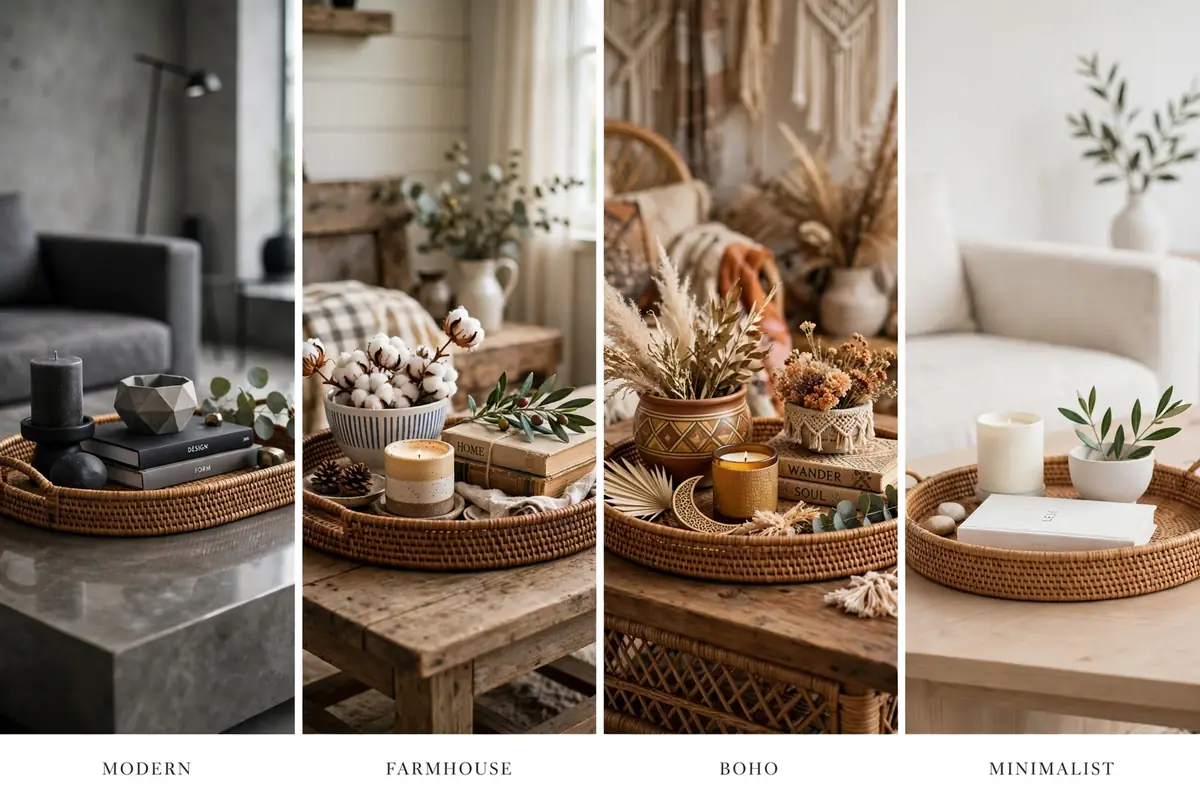
One tray can suit any decorating style — you just change what goes inside it. This section shows how the same wooden tray looks in four different rooms.
Modern: A black metal tray with a white ceramic vase, a stack of monochrome books, and a single green stem. Clean lines, no extra decoration, and plenty of empty space.
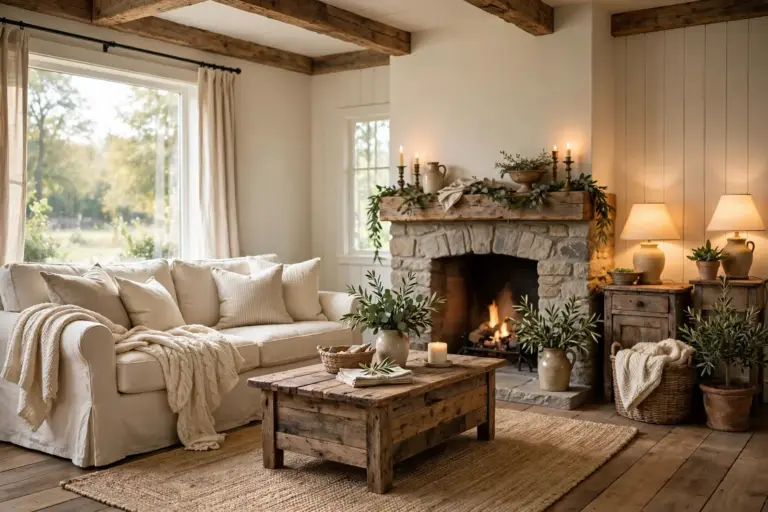
Farmhouse: A woven tray with a mason jar of cotton stems, a small stack of vintage books, and a linen coaster. Warm wood, soft neutrals, and a handmade feel.
Boho: A rattan tray with a small potted plant, a patterned cushion nearby, and a beaded garland draped over the edge. Layered textures, earthy colours, and a relaxed, collected look.
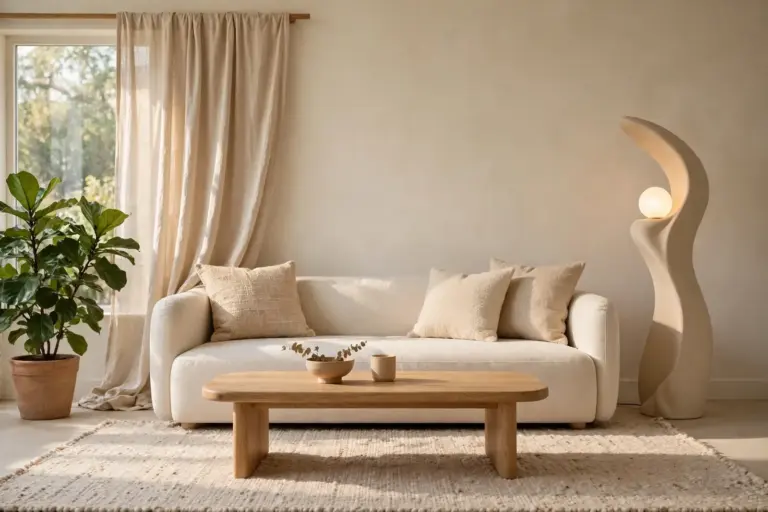
Minimalist: A plain white tray with one ceramic vase and nothing else. The empty space is part of the design — calm, uncluttered, and easy to maintain.
A farmhouse living room tray works especially well with woven textures, warm wood, and simple vintage pieces. The same tray can move between styles just by swapping the items inside it.
Try styling your tray in the style that matches your room, then experiment with the other three. You might discover a new look you love.
Seasonal Swaps and Small Mistakes to Avoid
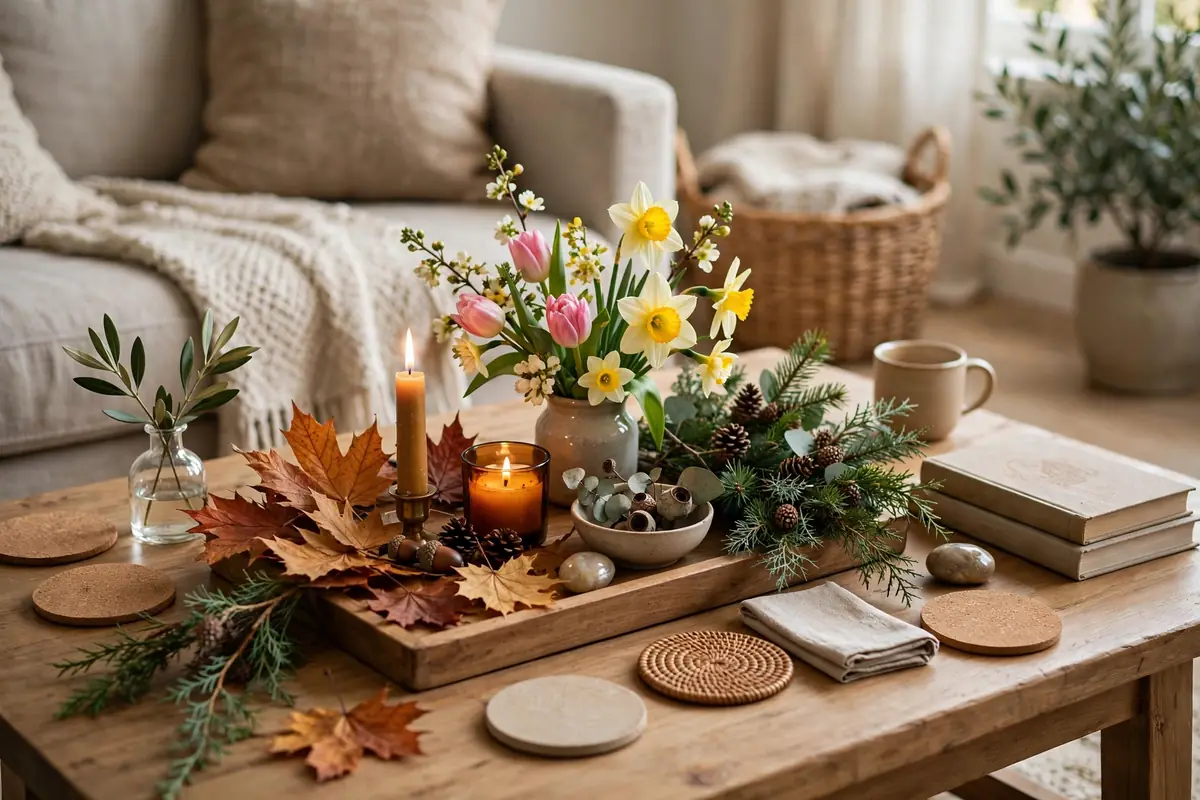
A center table is easy to refresh with the seasons. Small swaps keep it looking current without buying new furniture.
Spring: Add fresh flowers, a light-coloured throw, and a pastel candle. Keep the styling light and airy.
Summer: Use a bowl of lemons, a woven tray, and a small potted herb. Bright, fresh colours suit the season.
Autumn: Add warm orange leaves, a glowing candle, and a folded throw in a rich colour. Cozy textures suit cooler evenings.
Winter: Use pinecones, evergreen branches, and a warm lantern. Keep the palette calm and the lighting soft.
Common mistakes to avoid:
- Choosing a table that is too large for the room.
- Placing the table too far from the sofa to reach comfortably.
- Overfilling the table with too many decorative items.
- Using a table that is too tall or too short for the seating.
- Ignoring the walkway space around the table.
- Forgetting to leave empty space for everyday use.
Seasonal swaps keep the table feeling fresh all year. A few small changes are enough — you do not need to redecorate the whole room.
Conclusion
A center table can transform a living room from a collection of furniture into a welcoming, finished space. The right size, shape, and material make the room feel balanced, while simple styling formulas make it look effortless. Start with the three-step method, add texture and colour, and choose pieces that work for your everyday life. Save these ideas on Pinterest so you can revisit them while decorating, try the updates that suit your home, and share this guide with anyone who loves a well-styled living room. Small, thoughtful choices can make your center table the most loved spot in the room.