Small Living Room Decor Tips That Open Up Tight Spaces

A small living room can feel bright, comfortable, and surprisingly spacious without expensive renovations. The secret to successful small living room decor is choosing furniture that fits, keeping enough floor visible, and allowing natural light to reach every corner. Before buying new accessories or changing paint colours, focus on the layout. A well-placed sofa, one properly sized rug, and a few thoughtful storage choices can make a noticeable difference. Whether you rent a small apartment or own a compact home, simple decorating changes can improve how the room looks and functions. The goal is to create an open, welcoming space that feels easy to enjoy every day.
Start With Layout Before Colour
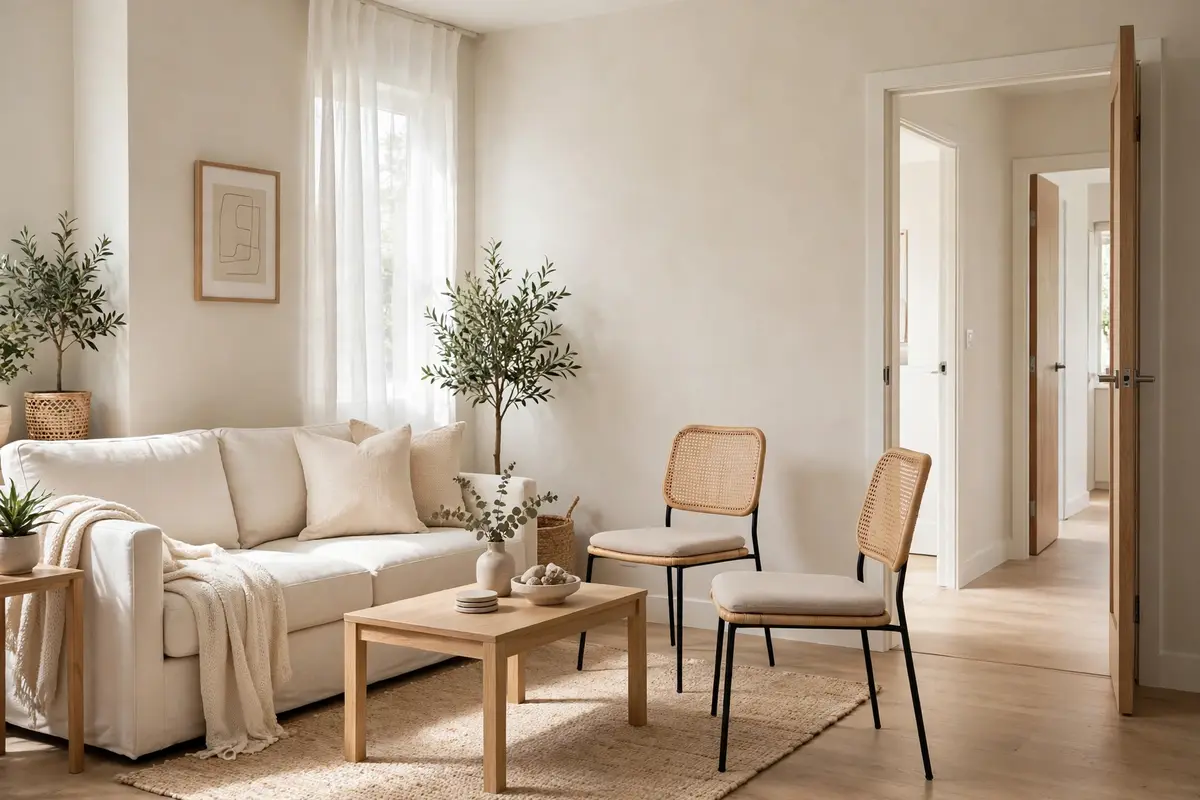
Before choosing paint, cushions, or decorative accessories, decide where everything should go. A good furniture arrangement makes a tight room feel more open because it gives each piece enough breathing room.
Start with the room’s natural shape. Identify the main doorway, windows, electrical outlets, and the longest wall. These features help determine where larger furniture should sit.
Create one main seating area. Keep the sofa and chairs close enough for comfortable conversation without blocking the walking route.
Protect the natural light. Avoid placing tall furniture directly in front of windows. An open window area helps daylight spread across the room.
Give every item a purpose. A side table should provide useful surface space, while a storage piece should help control everyday clutter.
For a better layout, measure the room before moving furniture. Sketch a simple floor plan and mark the position of each large item. This small step helps prevent expensive buying mistakes and makes decorating much easier.
Choose a Sofa That Fits the Room
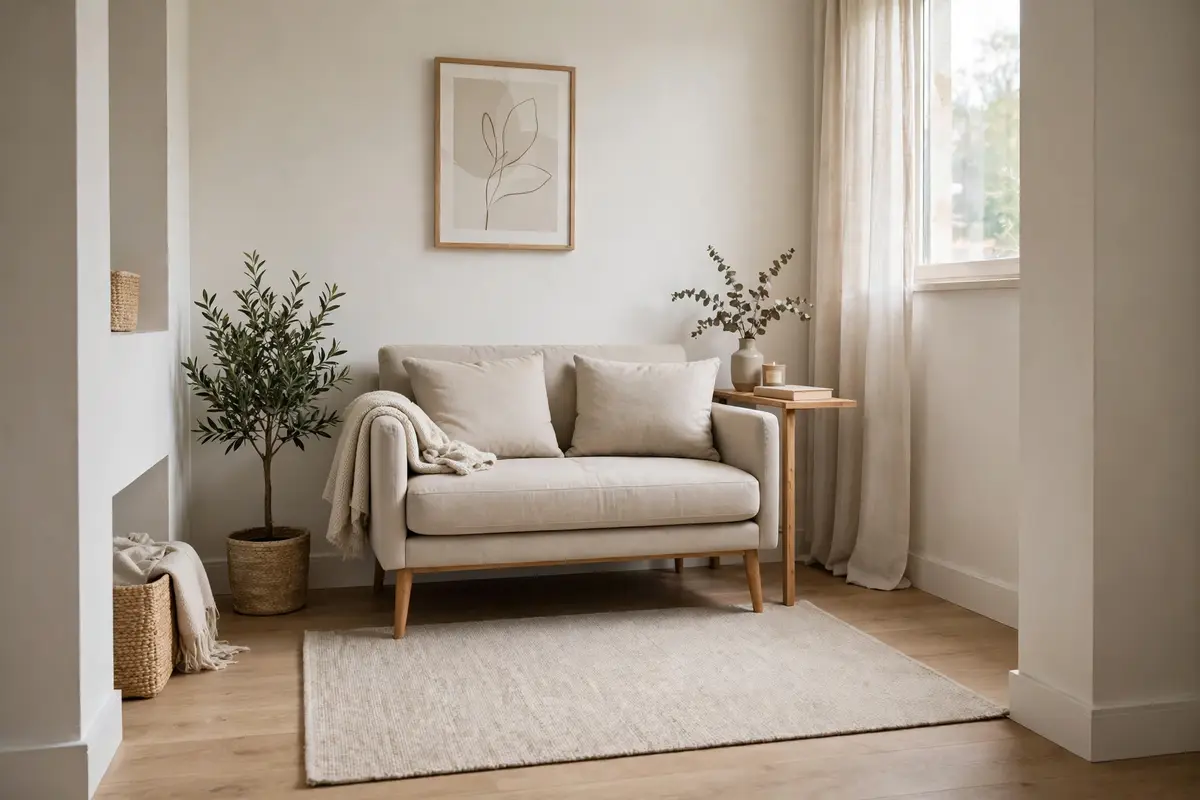
A sofa is usually the largest piece of furniture in a living room, so its size has a major effect on how spacious the room feels. Choosing a smaller model can give you more usable floor space without sacrificing comfort.
Use these measurements before shopping:
- A standard three-seat sofa is approximately 84 inches wide. In a room under 12 feet wide, it can take up almost the entire wall.
- A loveseat around 7 feet wide may fit better, depending on the room’s shape.
- Aim for a sofa that measures about two-thirds of the wall it faces. For a 10-foot wall, an approximately 80-inch sofa is a useful starting point.
- Leave at least 30 inches for comfortable walking space around the main seating area.
- Allow approximately 18 to 24 inches of clearance around the loveseat where the layout permits.
Check the sofa footprint before purchasing. Use painter’s tape to mark its exact width and depth on the floor. Leave the tape in place for 48 hours and walk around it during normal daily activities.
This simple test shows whether the sofa blocks a doorway, makes the coffee table difficult to reach, or leaves too little room for other furniture.
Float Furniture and Keep Walkways Clear
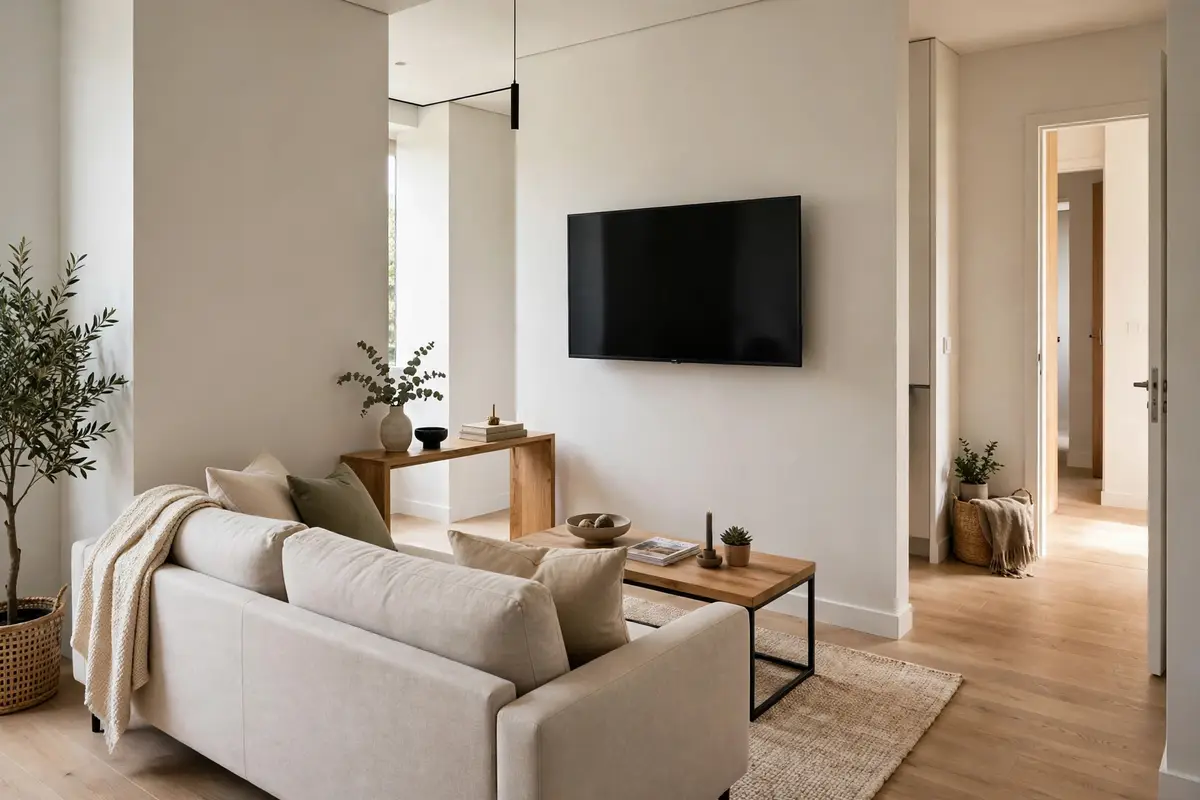
Pushing every piece of furniture against the walls can make a small room feel flat and awkward. A little breathing space between furniture and walls can create depth while making the arrangement look more intentional.
Follow these steps to improve the layout:
- Move the sofa slightly forward. Leave a gap of 4 to 6 inches between the sofa and wall. This small shadow gap adds visual depth.
- Use the longest wall wisely. Position the sofa facing the longest wall rather than placing its back directly against the main window.
- Choose a suitable TV position. Mount the television on the longest practical wall, with the centre of the screen approximately 42 inches from the floor.
- Protect the main walkway. Keep important walking routes around 30 to 36 inches wide wherever possible.
- Position the coffee table carefully. Leave approximately 18 inches between the sofa and coffee table so people can reach it comfortably.
- Use the space behind the sofa. Add a slim console or floating shelf if you need a place for lamps, books, or everyday essentials.
These adjustments make movement easier and help the room feel more balanced. If floating the sofa blocks an important walkway, keep it closer to the wall instead. Good circulation matters more than following a decorating rule.
Pick the Right Rug Size
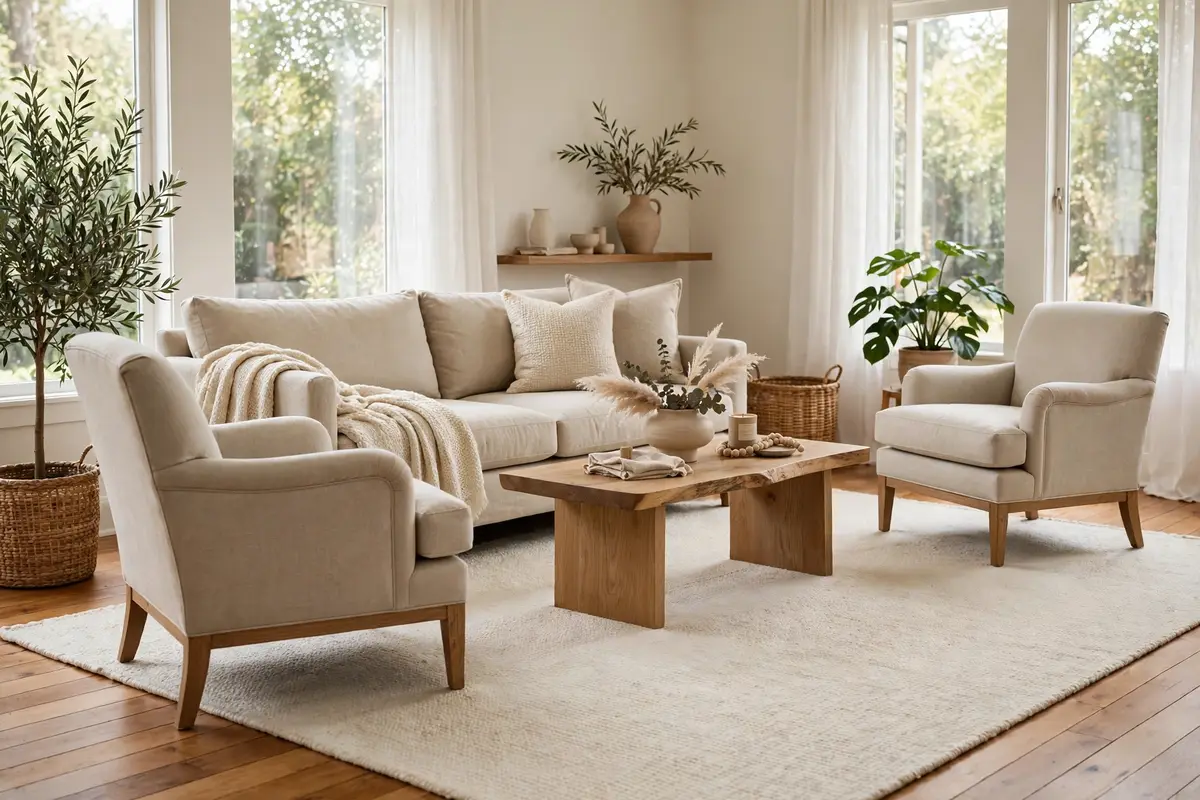
One common decorating mistake is choosing a rug that is too small. A tiny rug can make the furniture arrangement look disconnected and emphasize the limited floor area.
A larger rug creates one connected seating zone, making the room feel more organized.
Quick tips for choosing the right size:
- Consider an 8×10-foot rug for a room measuring approximately 10×12 feet.
- Avoid using a 5×7-foot rug if it sits alone in the middle of a larger seating arrangement. It can look like a small island.
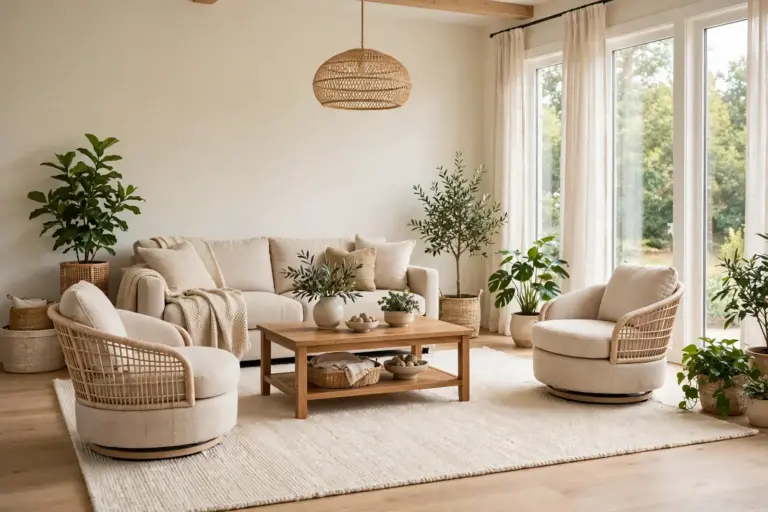
- Place the front legs of the sofa and every accent chair on the rug.
- Leave approximately 6 to 12 inches of bare floor between the rug edges and walls.
- Choose a low-pile rug if you want easier cleaning and a less bulky appearance.
- Look for subtle patterns, soft stripes, or gentle texture rather than busy designs that compete for attention.
For homes with children or pets, choose a washable rug or a durable material that can handle everyday mess. A properly sized rug brings the furniture together, protects the floor, and makes the entire seating area feel more finished.
Let Light In With Mirrors, Curtains and Layered Lighting
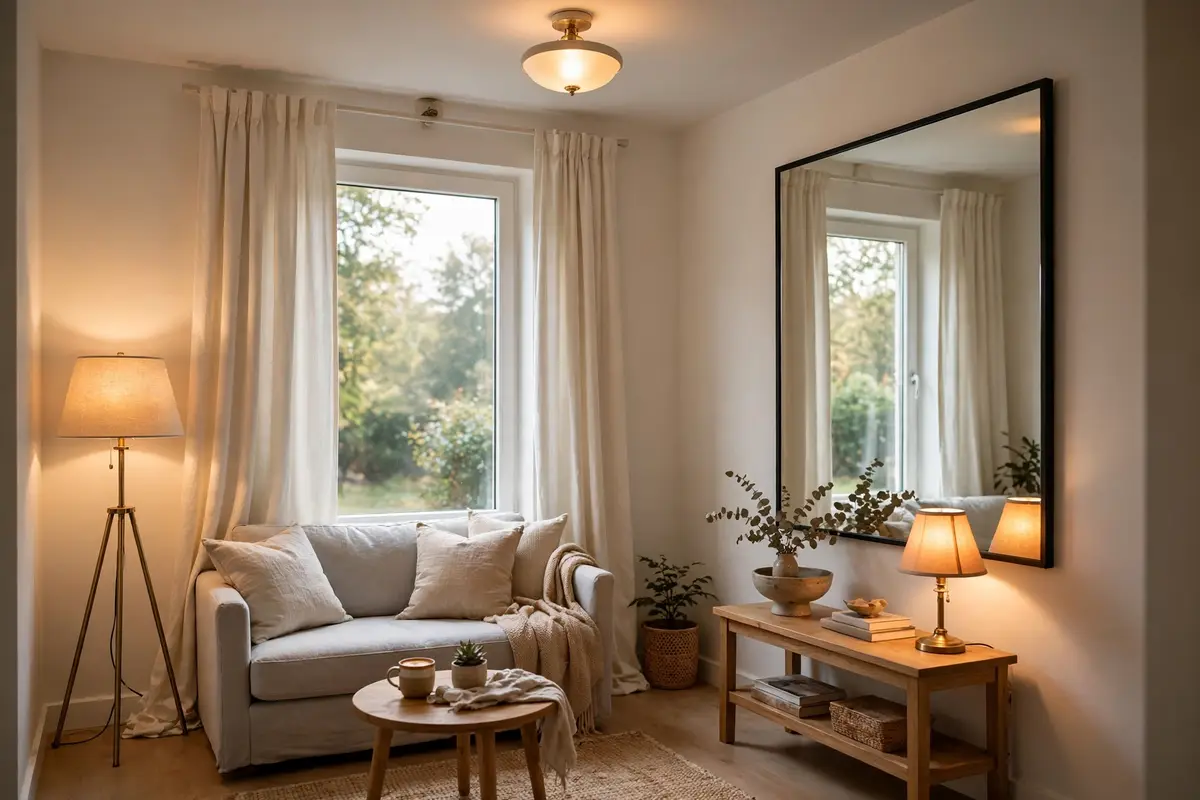
Good lighting can change how large a room appears. Dark corners and heavy window treatments make a compact space feel closed in, even when the furniture fits perfectly.
Use these simple lighting improvements:
- Hang one large mirror: Place a mirror opposite a window to reflect daylight deeper into the room. A 24×36-inch mirror is a practical size to start with and usually costs much less than major window improvements.
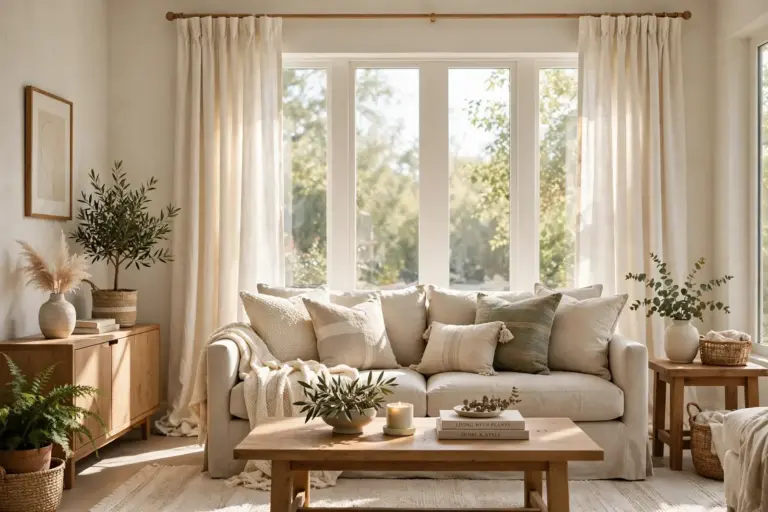
- Hang curtains higher: Position the curtain rod around 2 to 4 inches below the ceiling. This draws the eye upward.
- Extend the curtain rod: Make it 6 to 12 inches wider on each side of the window so the panels can sit outside the glass when open.
- Choose floor-length panels: Hang curtains approximately 4 to 6 inches above the window frame, with enough length to reach the floor. If the rod is closer to the ceiling, measure the panels from the rod instead.
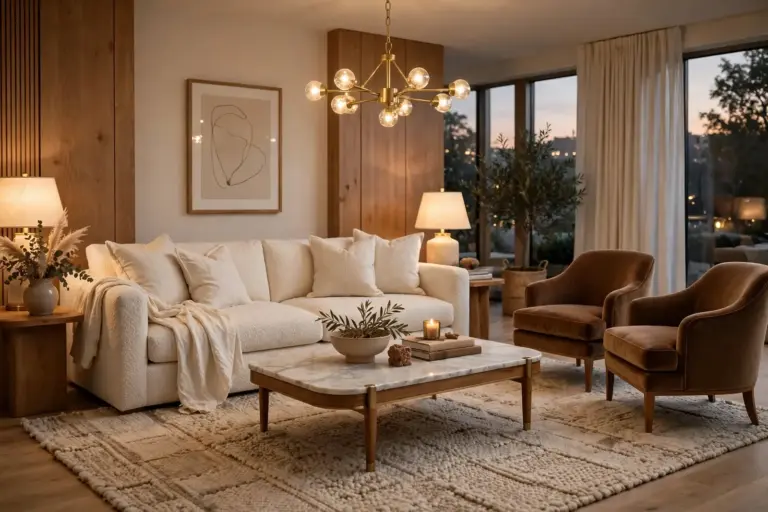
- Layer three light sources: Combine a ceiling light, floor lamp, and table lamp to brighten different parts of the room.
- Choose warm bulbs: Use warm white bulbs around 2700K instead of harsh, cool 5000K lighting.
A four-pack of warm LED bulbs can cost around $12, making this one of the easiest affordable updates.
For renters, tension rods and removable curtain hardware can offer alternatives to drilling. Better lighting makes the room feel warmer, brighter, and more comfortable after sunset.
Use Light Colour and Low Contrast to Open the Walls
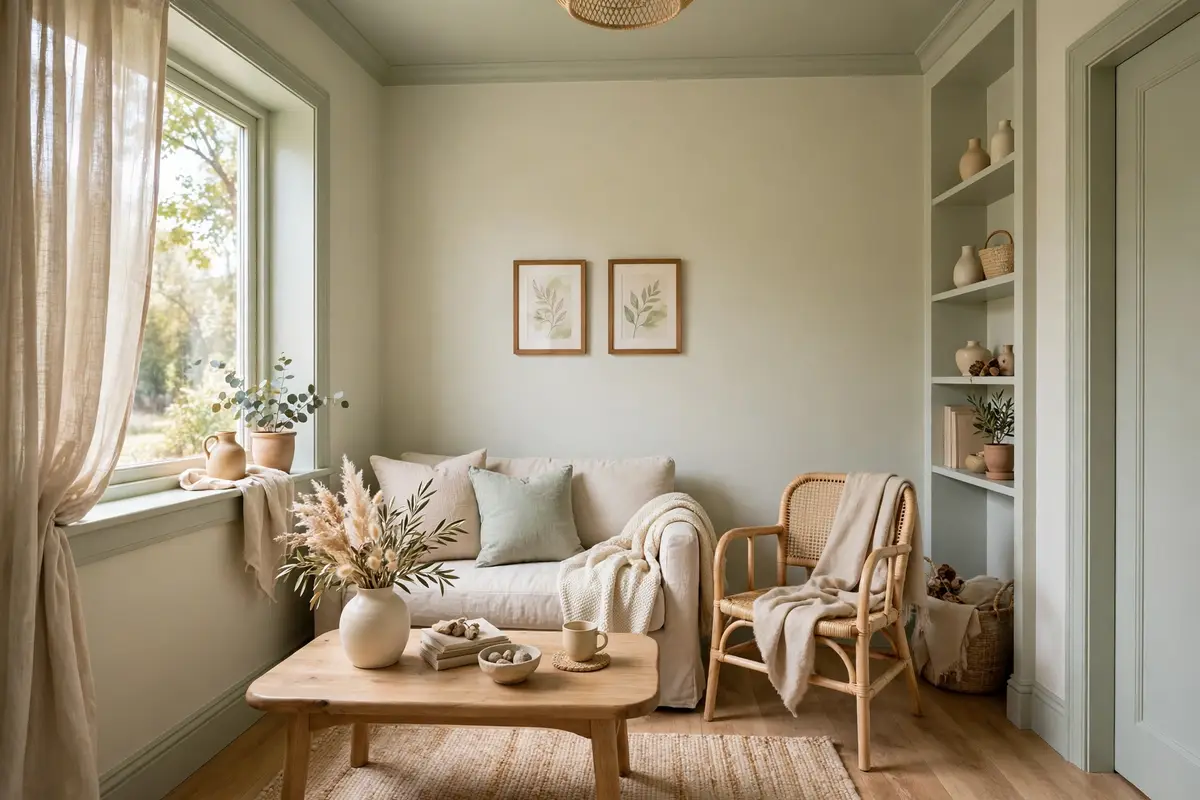
Light colours help reflect natural and artificial light, which can make a compact room appear more open. However, you do not need to paint everything bright white to achieve this effect.
The key is using a calm colour palette with gentle differences between the walls, ceiling, trim, and furniture.
For small living room decor, try these colour choices:
- Warm white for walls that need a brighter appearance.
- Pale greige for a soft neutral look with a little warmth.
- Soft sage for a gentle accent that adds personality.
- Light beige for a cozy atmosphere without making the room feel dark.
When choosing paint, look for a Light Reflectance Value (LRV) above 70 if you want a highly reflective finish. LRV measures how much visible light a paint colour reflects.
Create a more continuous appearance:
Paint the walls and trim the same colour to reduce visual interruptions. You can also paint the ceiling the same colour or choose a shade lighter. This helps remove the visual feeling of a low ceiling.
A monochromatic palette works particularly well in compact spaces. Keep the main colours similar and introduce interest through cushions, natural wood, woven baskets, and soft fabrics.
The result is a room that feels calm and connected rather than busy or divided into separate visual sections.
Choose Leggy and See-Through Furniture
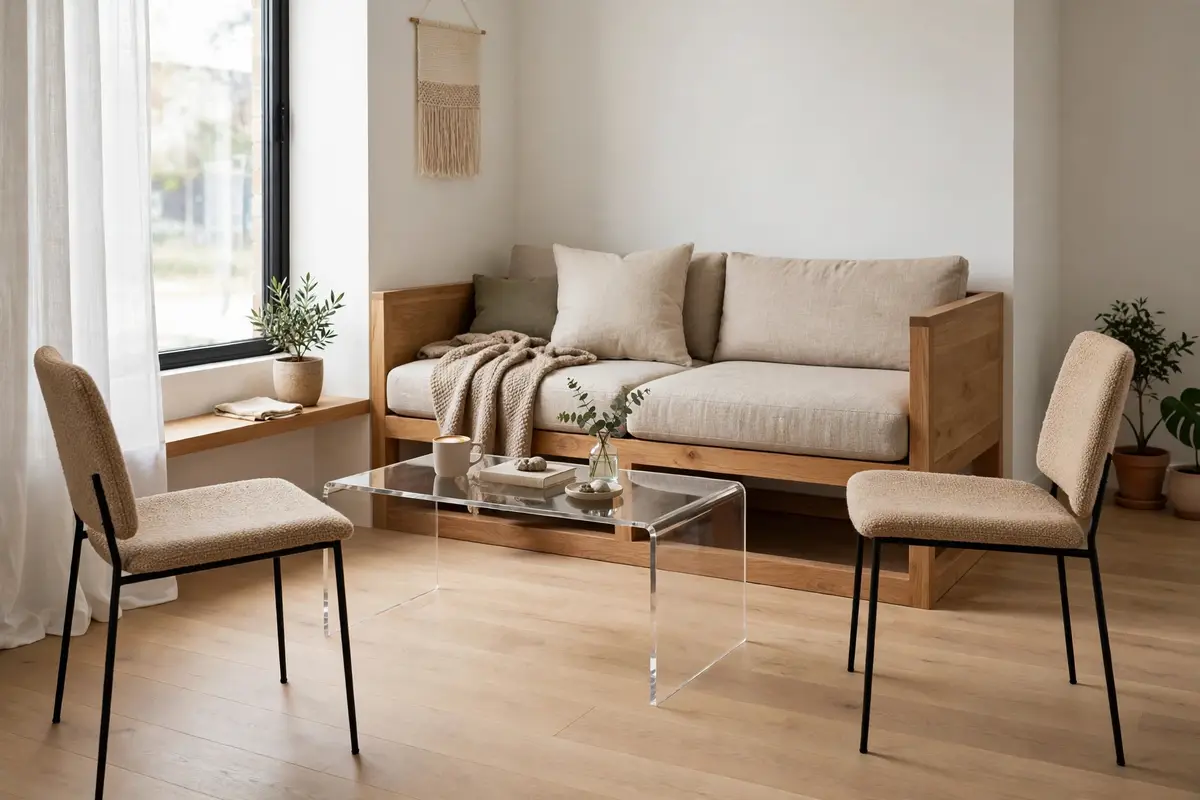
Furniture with bulky bases can make a small room feel heavier than it really is. Choosing pieces with visible legs allows more of the floor to remain in sight.
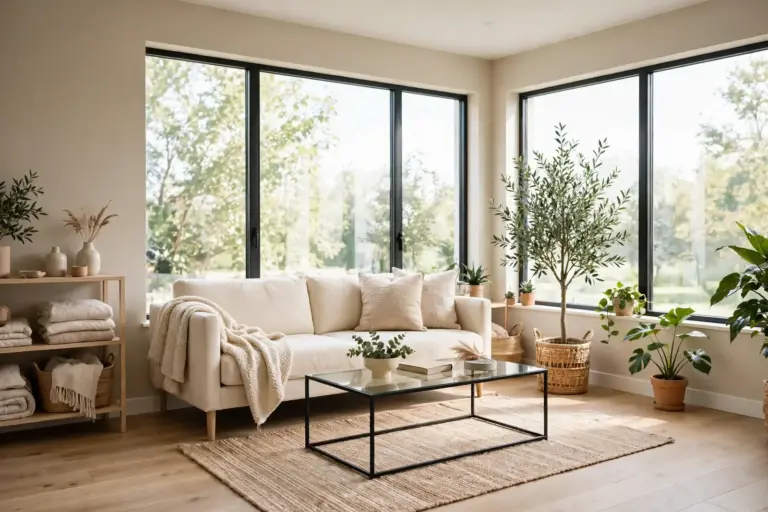
Before: A large sofa with a solid base, a chunky coffee table, and heavy cabinets create a crowded appearance.
After: A raised sofa, slim accent chairs, and a transparent coffee table allow the eye to travel across the room. The same amount of furniture can feel much lighter.
Look for these features when shopping:
- Sofas with slim wooden or metal legs.
- Accent chairs with open sides or raised bases.
- Consoles with narrow frames.
- Coffee tables made from glass or clear acrylic.
- Side tables with simple, open designs.
Aim for at least 6 inches of visible clearance underneath larger furniture where practical. This gives the floor a more continuous appearance and makes cleaning easier.
A glass coffee table is particularly useful because it provides a functional surface without visually blocking the seating area.
If you have young children, choose sturdy furniture with rounded edges rather than sharp glass corners. Clear acrylic can be another option, but check that the material is durable and suitable for everyday use.
Use Vertical Space Without Making Walls Heavy
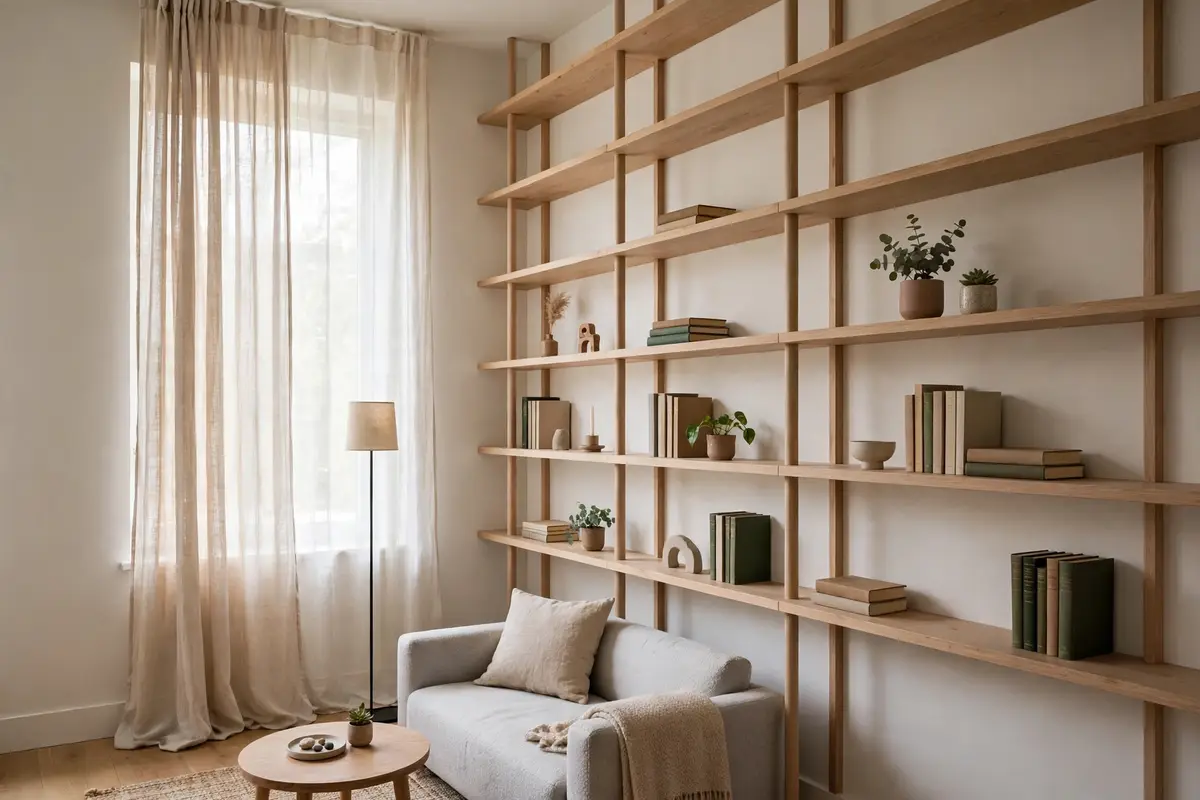
When floor space is limited, use the walls to provide additional storage and decoration. Vertical design draws the eye upward and makes a room feel taller.
However, too many shelves or oversized cabinets can create a heavy appearance. Choose narrow, simple pieces that provide useful storage without overwhelming the walls.
Do this:
- Install floating shelves above eye level for books and lightweight decorations.
- Use a tall, narrow bookcase instead of a wide storage unit.
- Choose a slim floor lamp to add height without using much floor space.
- Hang curtains close to the ceiling to make windows appear taller.
- Use wall-mounted organizers for small everyday items.
- Keep some shelf space empty so the arrangement does not look crowded.
Avoid this:
- Filling every wall with shelves.
- Placing too many small decorative objects together.
- Choosing deep cabinets that extend far into the room.
- Hanging artwork too high or spreading small frames randomly across the walls.
For renters, removable hooks and adhesive shelf accessories can help decorate without permanent changes. Always check the product’s weight limit and wall compatibility before hanging anything.
Using vertical space gives you more room for everyday belongings while keeping the floor open for furniture and movement.
Add Storage That Does Not Crowd the Room
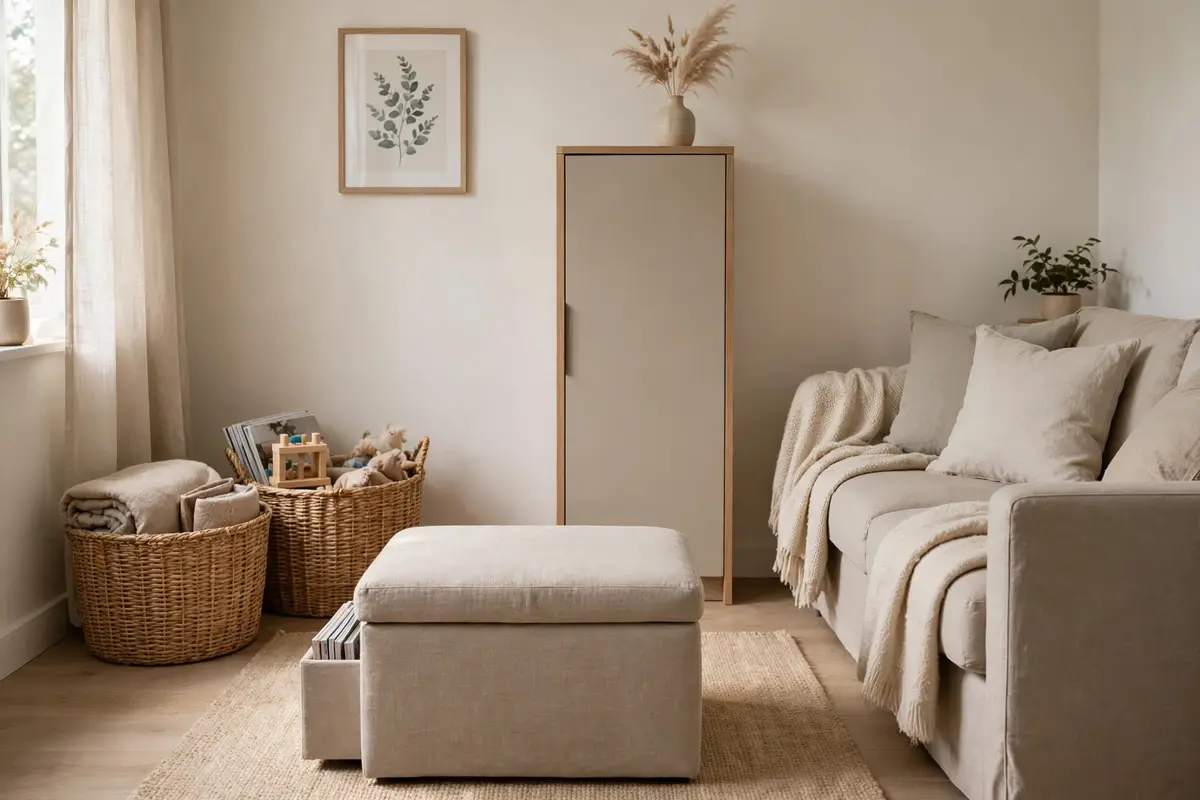
Good storage should solve a problem without creating another one. In a compact home, bulky cabinets and overflowing shelves can quickly take away valuable space.
Choose storage that fits naturally into the furniture arrangement and hides everyday clutter.
What you need for practical storage:
- A storage ottoman: Use one instead of a traditional coffee table. It can hold blankets, toys, remote controls, and magazines while providing extra seating.
- Woven baskets: Place baskets beside the sofa or beneath a console to store smaller items.
- A narrow closed cabinet: Choose a compact cabinet for things you do not want on display.
- Floating storage: Use wall-mounted shelves or small cabinets to keep the floor clear.
- Furniture with hidden compartments: Look for benches, side tables, and coffee tables with built-in storage.
If you have children, assign a basket to toys so tidying up takes less time. For pet owners, choose sturdy baskets and easy-to-clean fabrics that can handle regular use.
Washable cushion covers, durable rugs, and furniture with rounded edges also make everyday living more practical.
The best storage pieces earn their place by serving more than one purpose. A well-chosen ottoman, for example, can replace a separate coffee table and provide a useful place to hide clutter.
Budget-Friendly Updates and What to Remove First
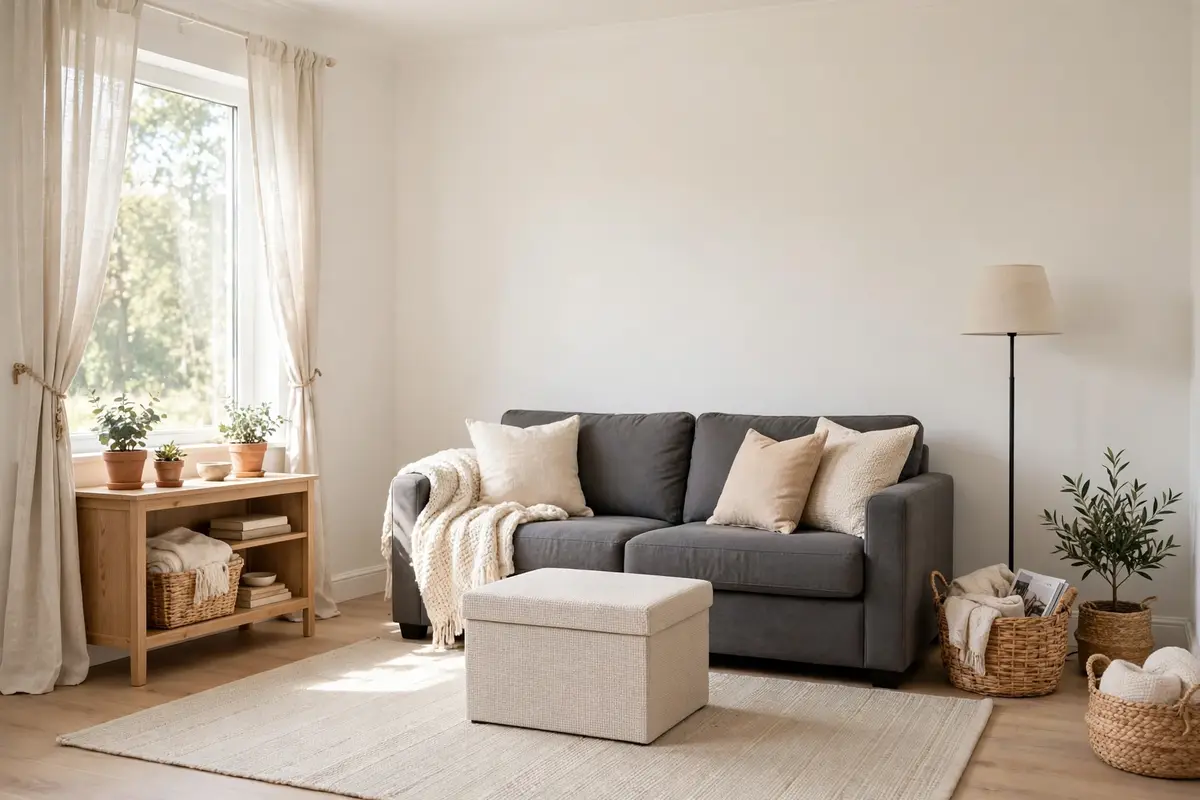
You do not need to replace every piece of furniture to improve a compact room. A few low-cost changes can make a noticeable difference when you spend money on the areas that matter most.
Start with these affordable updates:
- Paint the walls: Paint is one of the cheapest ways to refresh a room. One gallon usually covers around 400 square feet and costs approximately $30 to $55, depending on the brand and finish.
- Buy a storage ottoman: Expect to spend around $60 to $120 for a practical option. Look at affordable storage furniture ranges such as IKEA KALLAX and HEMNES for complementary shelving and cabinet ideas.
- Add a floor lamp: A simple floor lamp can cost around $35 to $80 and helps brighten a dark corner.
- Replace outdated bulbs: A four-pack of warm LED bulbs costs approximately $12.
- Change small accessories: New cushion covers, a simple throw, or a secondhand side table can refresh the room without a large expense.
Remove these items first if the room feels cramped:
- Extra accent chairs that rarely get used.
- Oversized side tables that take up valuable floor space.
- Unnecessary decorative objects covering every surface.
- Large storage cabinets that block light or make the walls feel heavy.
- Several small rugs that break the floor into separate sections.
- Extra cushions, blankets, and accessories that make the sofa look crowded.
Also avoid oversized sectionals unless the room has enough space for them. A large sectional can leave very little room for movement.
Another common mistake is creating a gallery of several small mirrors instead of using one larger mirror to reflect more light. Too many small decorative pieces can also make the room feel visually busy.
For renters, focus on removable hooks, tension rods, lightweight storage, and furniture that does not require drilling. These updates are affordable, practical, and easier to take with you when you move.
Conclusion
A comfortable small living room does not need expensive furniture or a complete makeover. Start with the layout, choose appropriately sized seating, keep walkways clear, and use light colours, mirrors, and layered lighting to open the space. The best small living room decor choices also make everyday life easier through smart storage and practical furniture. Try these ideas one step at a time, starting with the changes that matter most in your home. Save this guide on Pinterest so you can revisit it while decorating, put your favourite tips into practice, and share it with someone who needs fresh ideas for a smaller space.