25 Budget Living Room Refresh Ideas That Make Your Room Feel Brand New

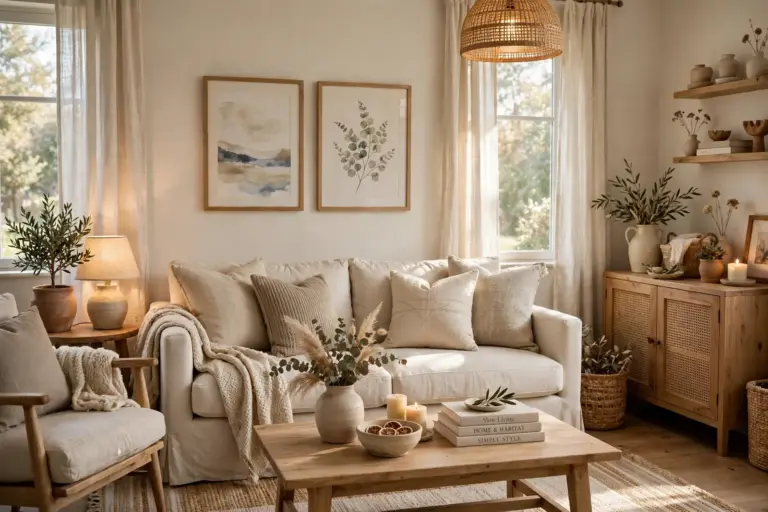
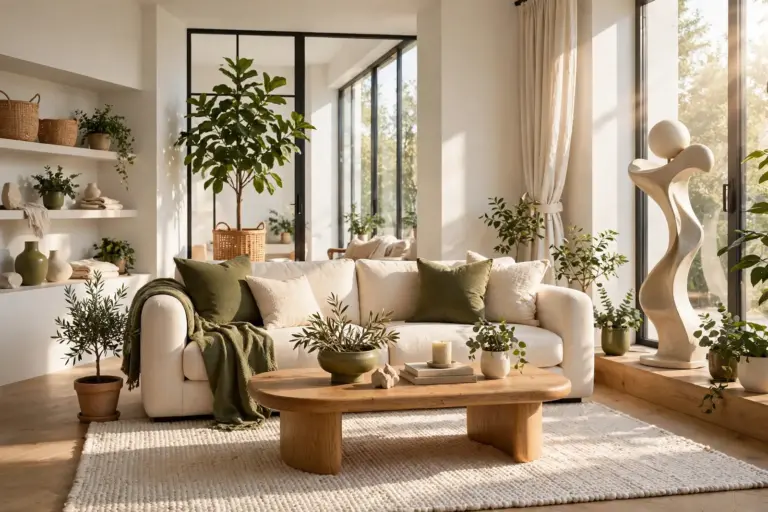
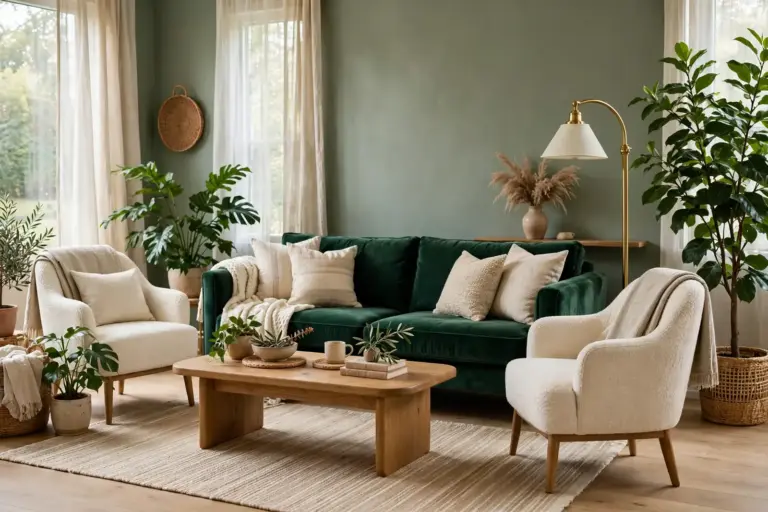
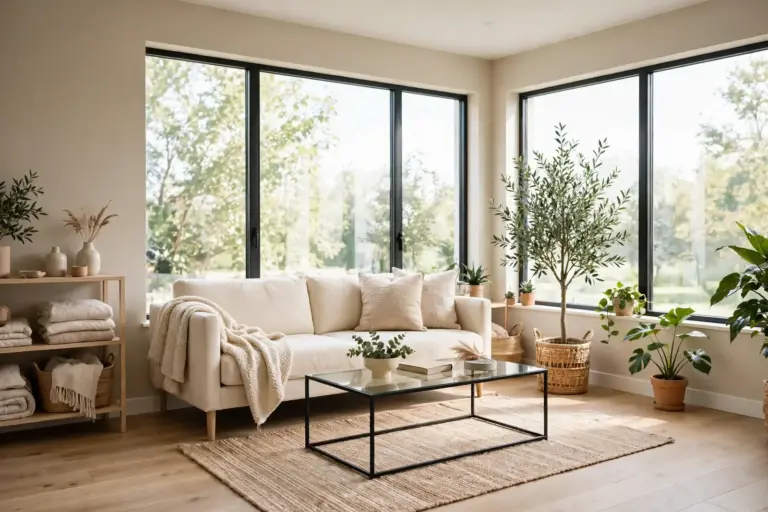
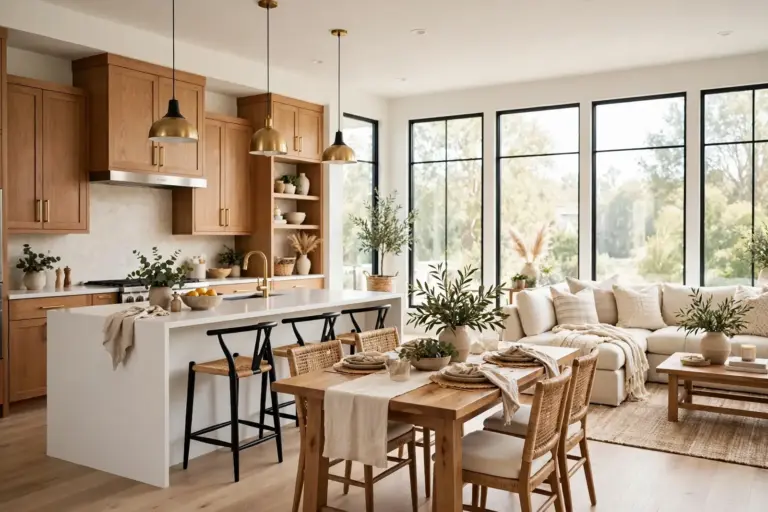
A living room can feel completely different without buying a new sofa, replacing the flooring, or spending hundreds of dollars. The secret is knowing which small changes make the biggest visual difference. Whether you rent a small apartment or own a family home, there are plenty of creative ways to refresh my living room without committing to an expensive makeover. From rearranging furniture and improving warm lighting to changing cushion covers and styling forgotten surfaces, these budget-friendly ideas focus on what you already own before suggesting anything new. Start with the free changes, give yourself time to notice the difference, and then choose a few affordable updates that make your space feel more comfortable, personal, and inviting.
1. Honest Before Photo Diagnosis
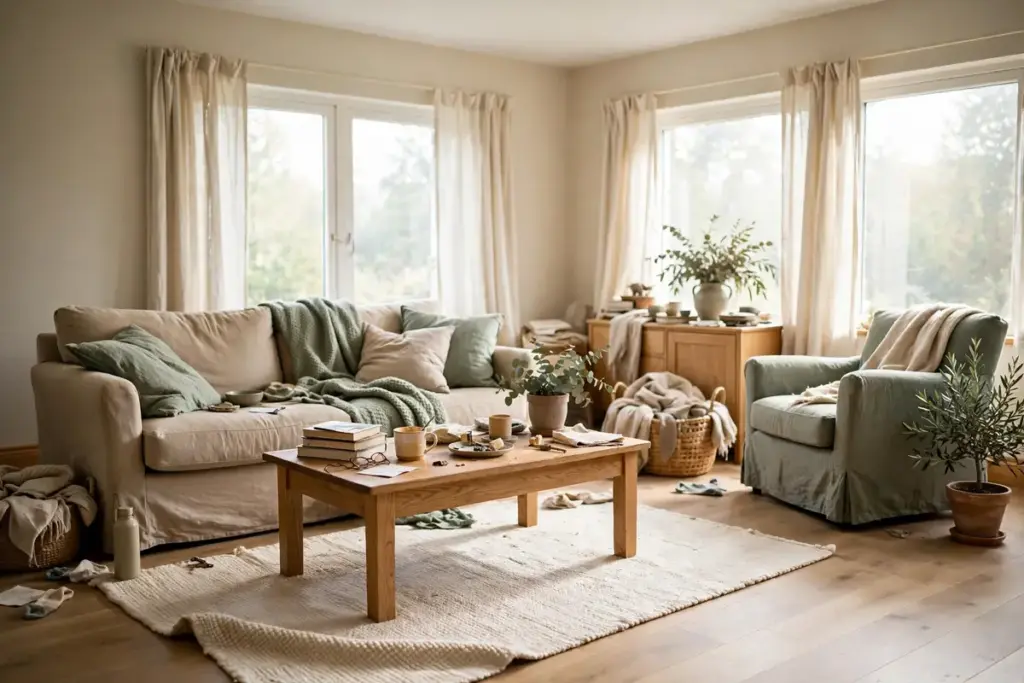
Before purchasing anything, photograph your living room from three different angles. Include the main seating area, the TV wall, and the view from the entrance. These pictures reveal details that become invisible when you see the same room every day. Look for crowded surfaces, awkward furniture placement, dark corners, and colours that compete with one another.
Write down the three things that bother you most. Perhaps the sofa blocks the walkway, the coffee table looks overcrowded, or the lighting feels too harsh. Separate genuine problems from things that simply look different in someone else’s home. Your photographs become a practical reference for measuring progress without spending a dollar.
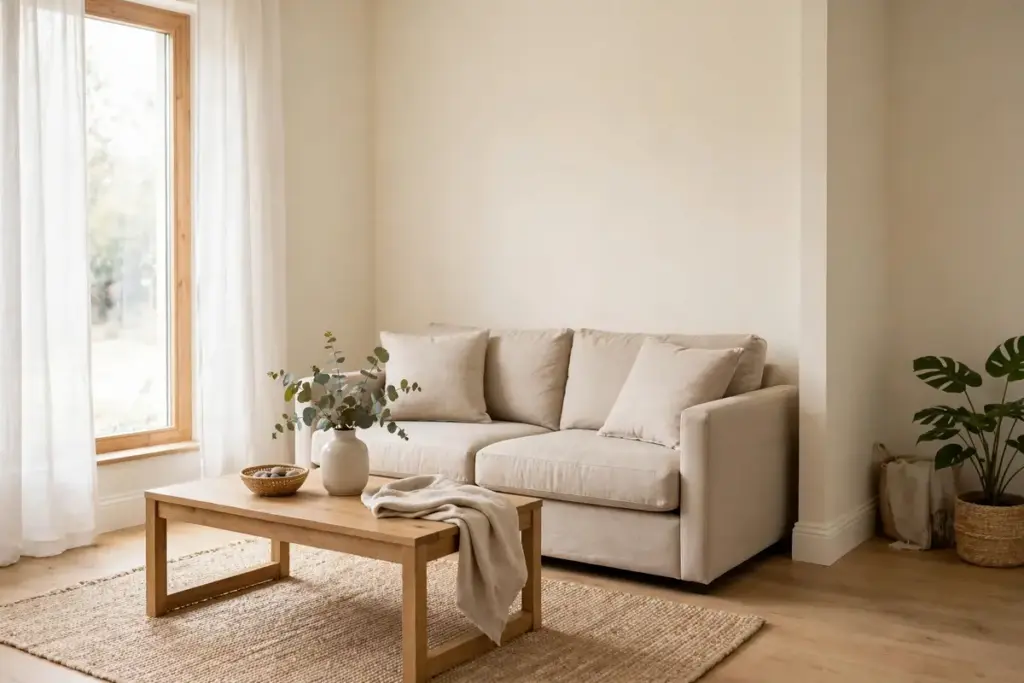
2. Sofa Off The Wall
- Move the sofa first: Pull the sofa forward by one hand’s width from the wall to create breathing room and a clearer sense of space.
- Check walkways: Leave at least 30 inches for the main path through the room so movement feels natural.
- Angle slightly: Try a very slight angle, no more than a few degrees, if the room feels boxy or rigid.
- Balance the wall: Place a narrow console, a tall plant stand, or a leaning frame in the gap behind the sofa.
- Test for a day: Live with the new position for 24 hours before deciding whether to keep it or adjust it again.
Pulling the sofa away from the wall changes how the whole room reads, even when nothing else moves. The small gap creates shadow and depth, and it stops the seating area from feeling pushed to the edges. In a small room, this one hand’s width can make the layout feel more intentional and less cramped.
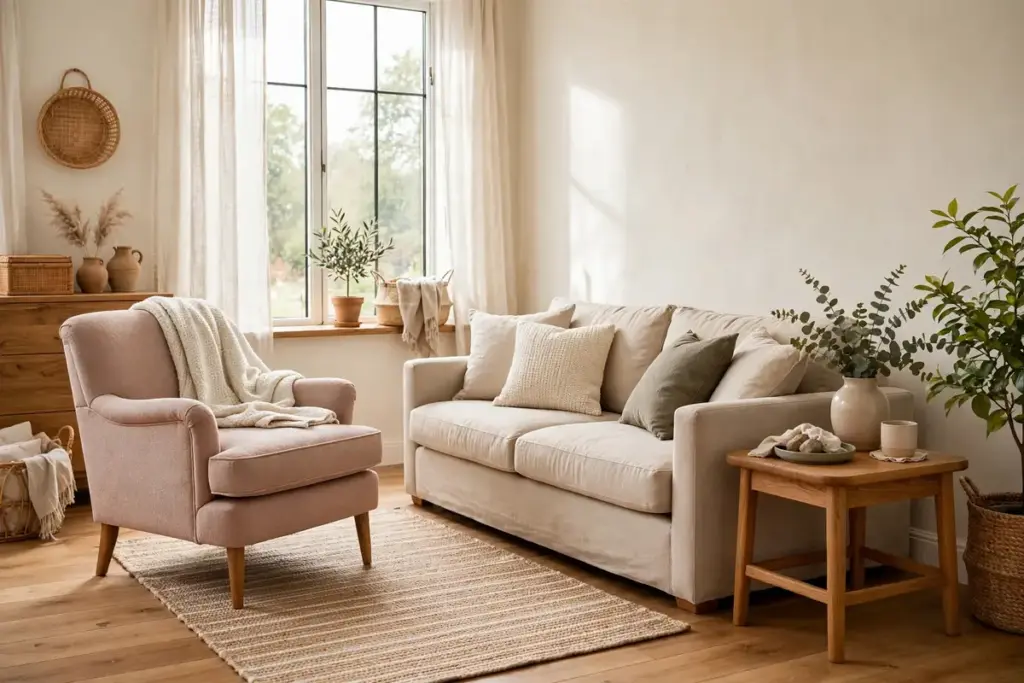
3. Furniture Swap Between Rooms
Quick Tip: Start with one piece only, such as an accent chair, a side table, or a floor lamp. Move it, live with it for three days, and notice how light, colour, and scale change in the new room. A single swap is enough to test the idea without turning the whole house upside down.
Swapping furniture between rooms often reveals pieces you had stopped noticing. A chair that felt ordinary in the bedroom can become a focal point in the living room, simply because the setting changes. Keep the swap for one week before deciding whether it works, and return anything that blocks light or walkways.
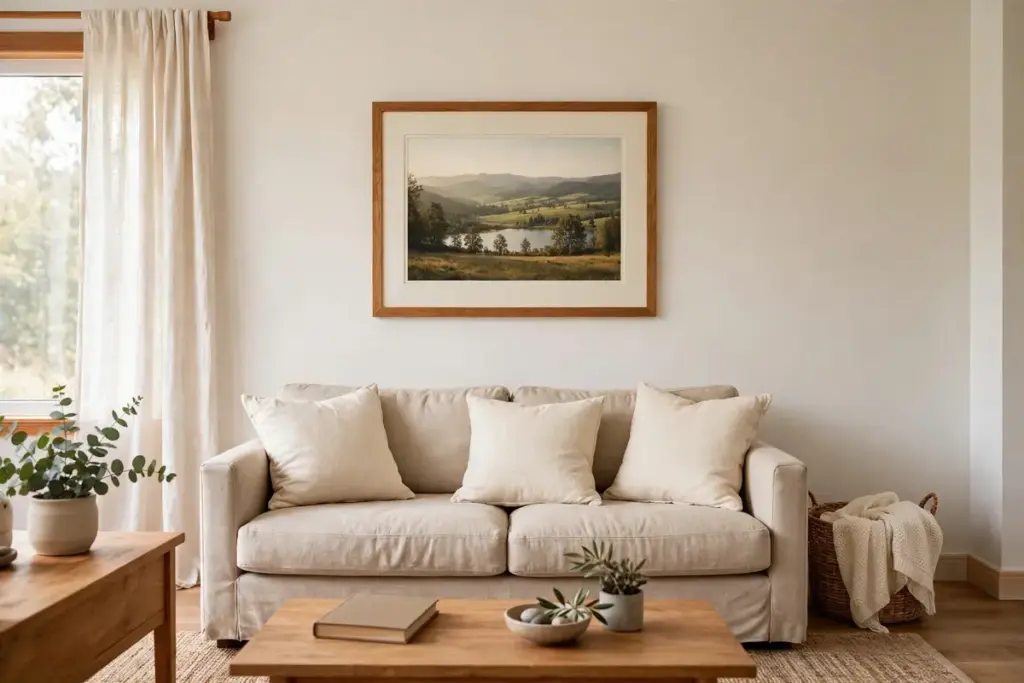
4. Art Swap Between Rooms
BEFORE: The same print hung in a dim hallway for years, where it blended into the wall and received little attention. The living room wall above the sofa felt blank, yet buying new art seemed unnecessary when good pieces were already in the home.
AFTER: Moving the print above the sofa instantly anchors the seating area and introduces colours that were missing from the room. The hallway gains breathing room, and the living room feels more finished without spending anything.
Moving art costs nothing, yet it changes the colour story of a room in minutes. I’ve noticed that a print I ignored in the hallway suddenly felt fresh above the sofa, simply because the light and furniture around it were different. Choose pieces that share one colour with your cushions or rug so the swap feels connected rather than random.
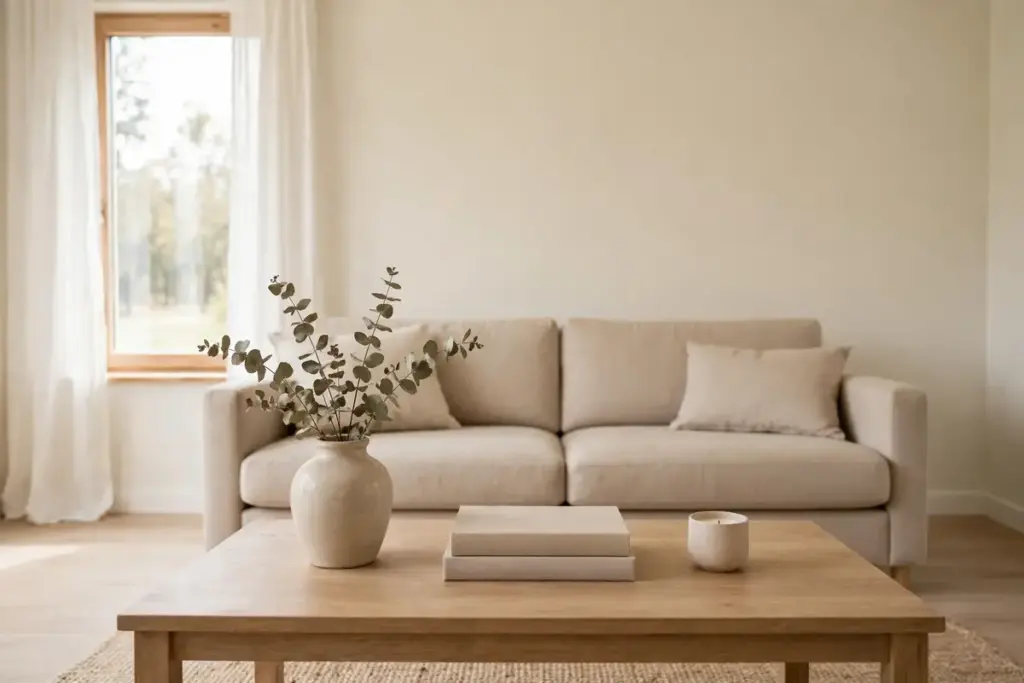
5. Edit One Surface Weekly
- Choose one surface: Pick the coffee table, mantel, or sideboard that bothers you most, and leave the rest of the room alone.
- Remove everything: Take every object off the surface so you can see the space clearly and clean it properly.
- Sort into three groups: Keep, relocate, and remove. Be honest about items that add nothing to the room.
- Return only the keepers: Place back a maximum of three objects, varying their height and material for balance.
- Photograph the result: Take a quick photo so you can compare the surface before and after the edit.
Editing one surface a week keeps the refresh manageable and prevents decision fatigue. A clear coffee table or mantel immediately makes the room feel calmer, even when the rest of the home is still in progress. Repeat the same surface after a month, and you will notice how quickly clutter returns.
6. Wash Windows, Clean Shades
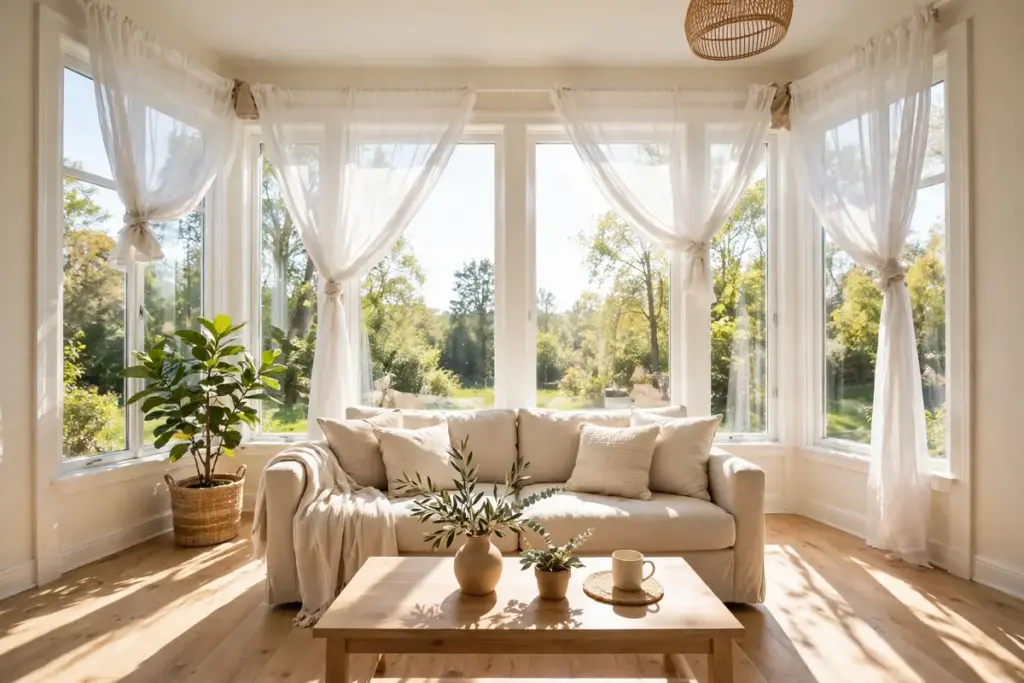
Clean glass changes the quality of light in a room far more than a new cushion ever could. Dirt and dust on windows filter daylight, making colours look dull and the room feel smaller. Washing both sides of the glass, plus the frames and sills, restores brightness and reveals the true colours of your furniture and walls.
Dusty shades soften and dim the light, even when they appear clean from a distance. Vacuum fabric shades gently, wipe blinds slat by slat, and wash removable sheer panels according to their care labels. Compared with buying new window treatments, cleaning what you already own costs nothing and often produces a more noticeable change.
Washing windows and cleaning shades costs nothing but time, yet the effect lasts for weeks. Clean glass lets in more daylight, which makes colours look truer and the room feel larger. In my experience, this is the most overlooked free refresh, because the change builds slowly as dirt accumulates.
7. One-Week Waiting Rule
DO:
- Write down every item you want to buy, with its price and the problem it should solve.
- Wait seven full days before purchasing anything on the list.
- Revisit the list after trying free changes, such as moving furniture or editing surfaces.
- Buy only one item at a time, and live with it for a few days before buying another.
DON’T:
- Do not buy decor during a single shopping trip without a written list.
- Do not keep items in an online cart as a substitute for waiting.
- Do not buy a matching set when one piece would solve the problem.
- Do not assume a sale price makes an unnecessary item a good decision.
The waiting rule protects both your budget and your room from impulse decisions. A week gives you time to notice whether the problem was real, or whether a free rearrangement already solved it. When the week ends, buy only the item that still feels necessary, and keep the receipt until you have lived with it for a few days.
8. Two Warm Lamps Rule
Cost: $0 if you move lamps you already own; $15 to $40 per lamp secondhand.
Time: 20 minutes.
Skill Level: Beginner.
Best For: Rooms that feel cold or flat after dark.
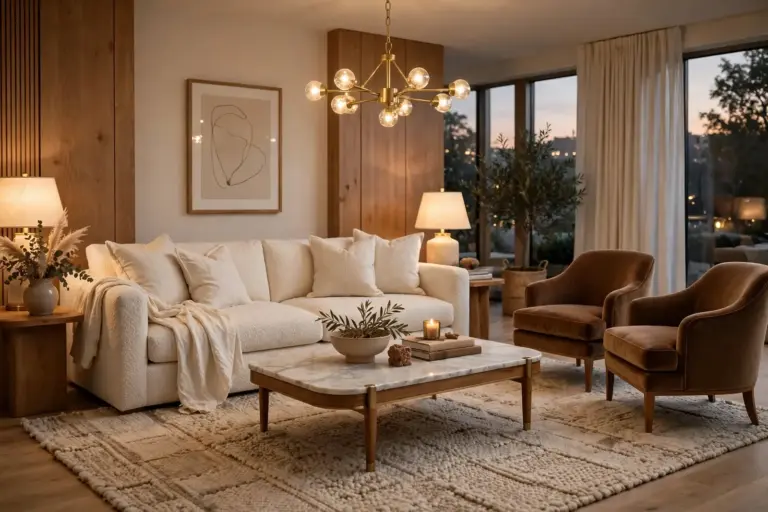
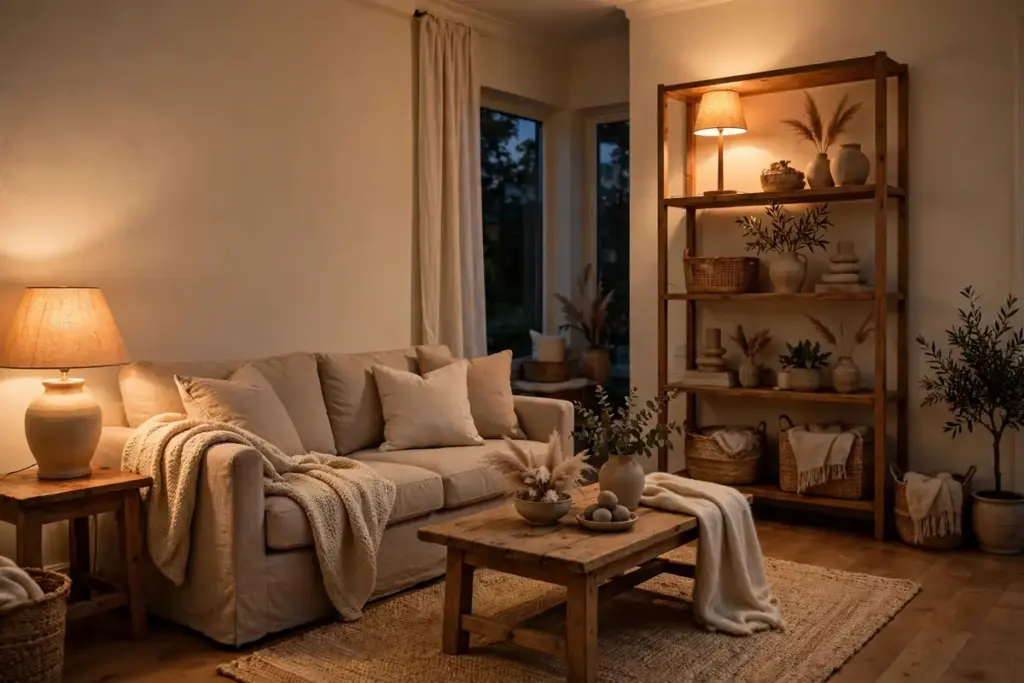
Two warm lamps at different heights create the layered glow that overhead lighting cannot match. Place one lamp at sofa height and another higher on a shelf or console, then switch the ceiling light off in the evening. The room will feel warmer, softer, and more inviting, even with the same furniture and colours.
9. 2700K Bulb Swap
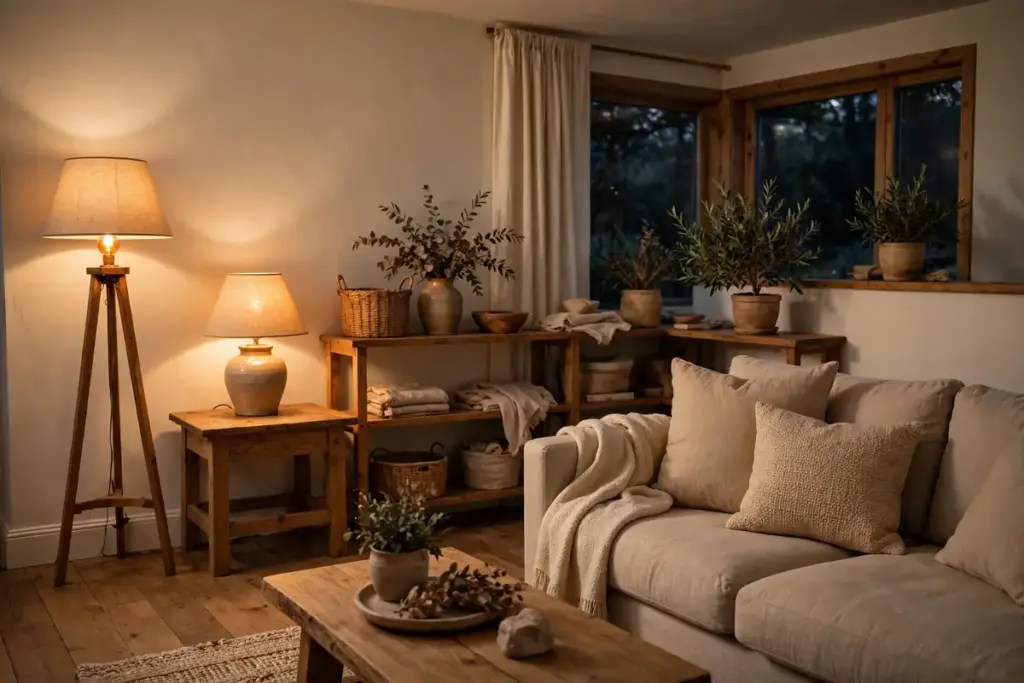
Light temperature changes how every colour in the room appears. Cool daylight bulbs can make a beige sofa look grey and a wooden floor look washed out, even when the furniture itself is warm and inviting. Warm 2700K bulbs, by contrast, add a soft amber tone that flatters skin, wood, and textiles alike.
Check the Kelvin rating printed on each bulb, and replace mismatched bulbs so all lamps in the room share the same warm temperature. Keep the overhead light off in the evening, and let the lamps do the work. In my experience, this small swap makes a room feel more expensive than any single accessory purchase.
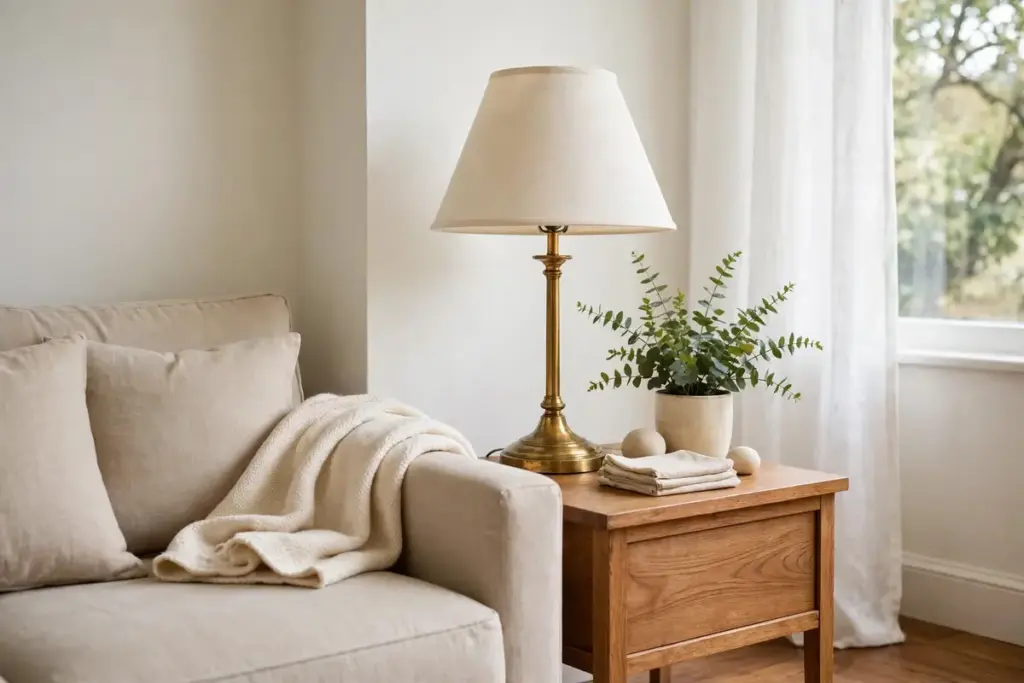
10. New Lampshade, Same Lamp
- Measure before buying: Note the height and diameter of the old shade, and check whether it attaches with a harp, a clip, or a screw fitting.
- Choose a light fabric: Cream linen or cotton lets warm light through softly, while a dark shade can block light and make the lamp feel heavy.
- Match the scale: The shade should be roughly two thirds the height of the lamp base, and wide enough to cover the bulb from most angles.
- Test in the evening: Switch the lamp on at night to check the colour and brightness before removing the tags.
A new lampshade refreshes a lamp without the cost of replacing the base, wiring, or bulb. The shade controls how light spreads, so a clean, light coloured shade can make the whole corner feel brighter. Keep the old shade for a different lamp, or donate it if it is still in good condition.
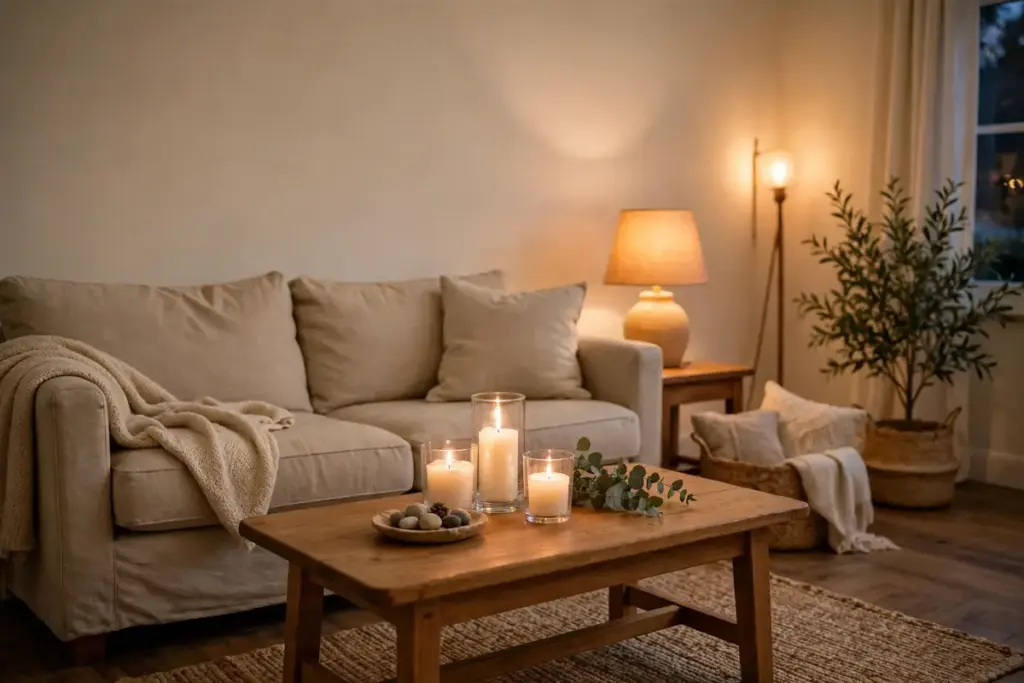
11. Evening Candle Ritual
Quick Tip: Choose one fixed time each evening, such as 7 p.m., to light two candles and switch off the overhead light. Place the candles on a heatproof tray, away from curtains and cushions, and keep a lighter in the same spot so the ritual stays simple. Blow the candles out before leaving the room or going to bed.
Lighting candles at the same time each evening signals that the day is ending and the room is now for rest. The flickering light softens edges, warms colours, and makes even a familiar sofa feel more welcoming. Use unscented candles if you already use a simmer pot or diffuser, so the scents do not compete.
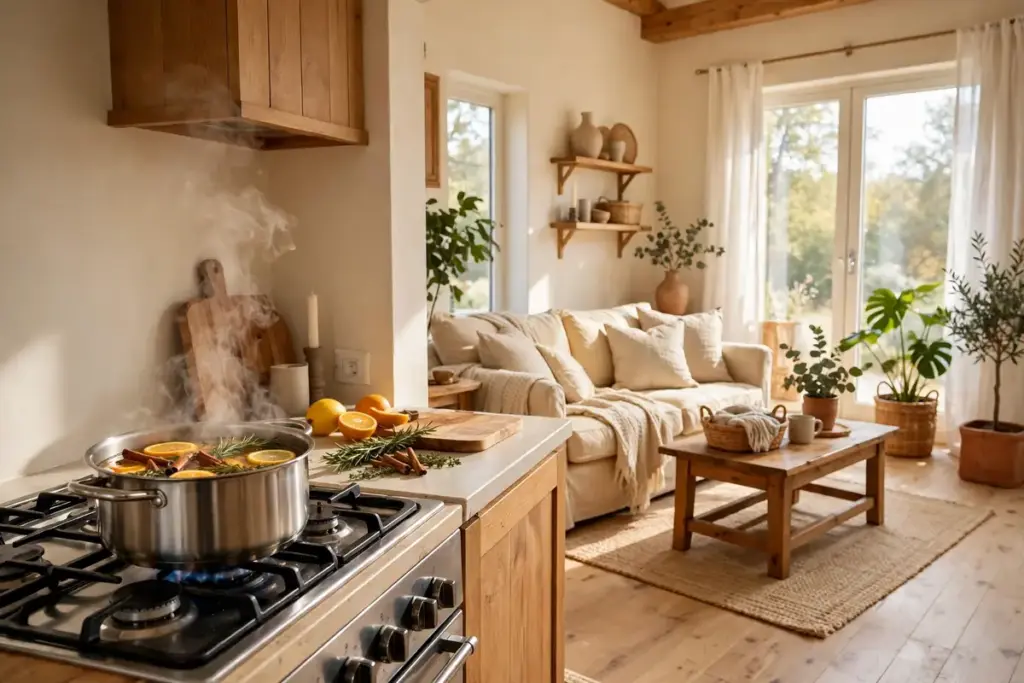
12. Simmer Pot Scent Layer
BEFORE: The living room looked tidy, yet it still felt flat when guests arrived, because nothing engaged the sense of smell. Air fresheners added a sharp, artificial note that faded quickly and clashed with candles.
AFTER: A simmer pot of orange slices, cinnamon sticks, and fresh herbs fills the home with a soft, natural fragrance that drifts gently into the living room. The scent makes the space feel cared for and welcoming, without overpowering conversation or food.
Scent works as a decor layer because it shapes how people remember a room. Simmer the ingredients in water on low heat, checking the water level every 30 minutes, and never leave the pot unattended. I’ve noticed that a subtle simmer pot scent feels more personal than a plug in diffuser, especially in the hour before guests arrive.
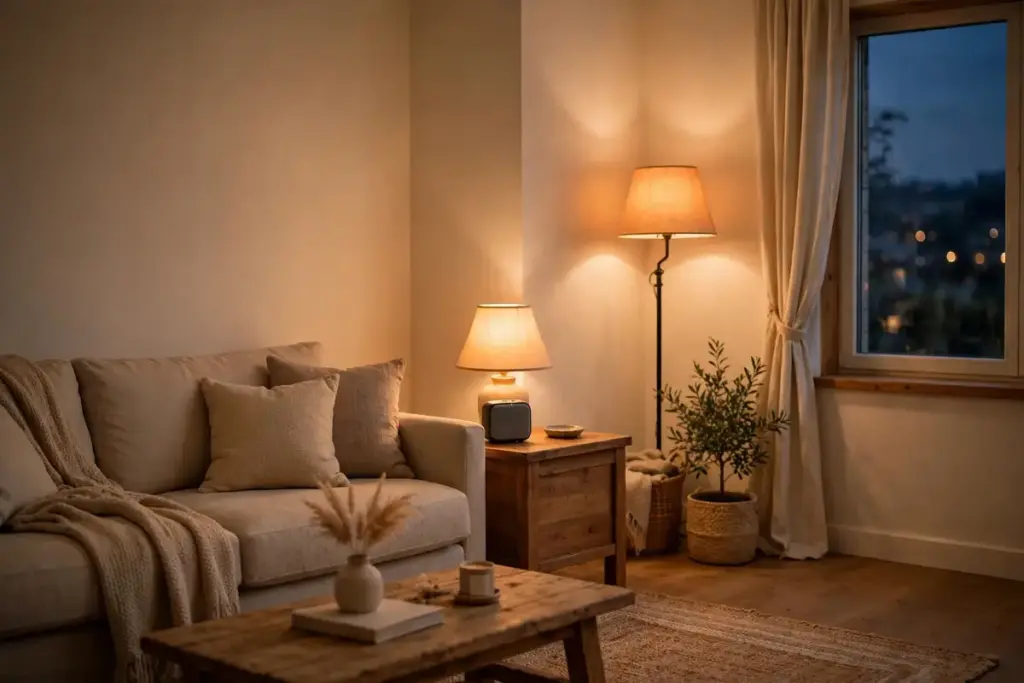
13. Low Playlist Background
- Choose a calm playlist: Select instrumental, acoustic, or soft jazz music with a steady tempo and no sudden volume changes.
- Set the volume low: Keep the music just loud enough to notice in silence, so conversation remains comfortable.
- Place the speaker wisely: Put a small speaker on a side table or shelf, away from the TV, so the sound fills the room evenly.
- Create a routine: Play the same playlist when you tidy the room or welcome guests, so the sound becomes part of the atmosphere.
Background music changes how a room feels without changing anything visual. Low, steady music softens silence, makes the space feel more intentional, and helps guests relax. Keep the volume consistent, and avoid playlists with adverts or abrupt genre changes that break the mood.
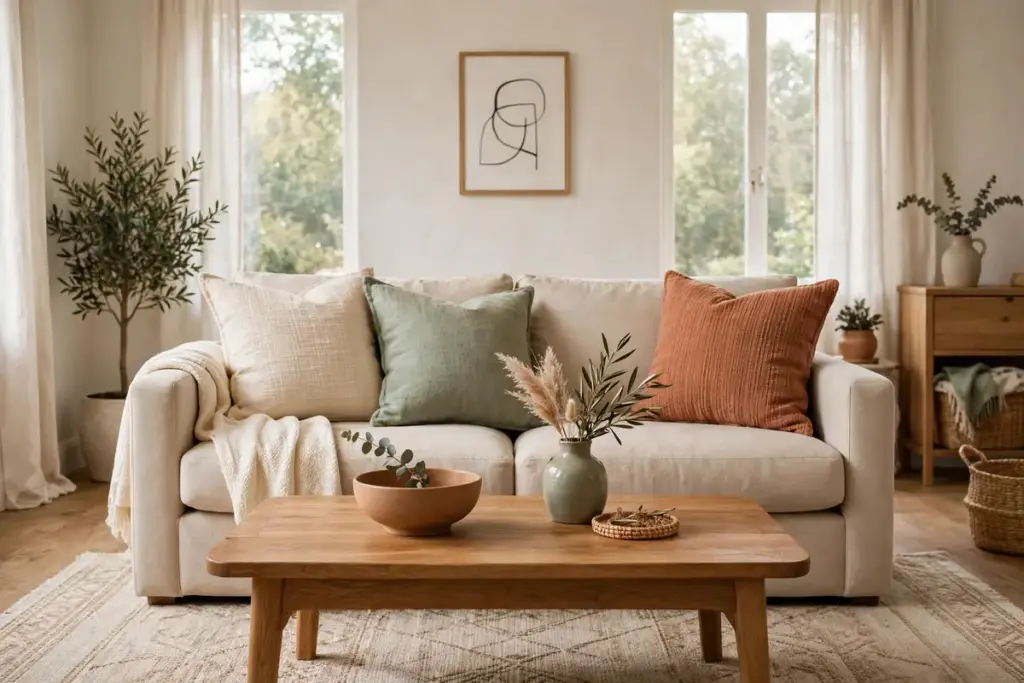
14. Cushion Covers Only Swap
Replacing cushion covers, rather than buying new cushions, keeps the cost low and reduces waste. Covers in cream, sage, and terracotta can change the colour story of a beige sofa in minutes, while the existing cushion inserts keep their shape and comfort. Compared with buying a full set of new cushions, covers cost a fraction of the price and store flat when not in use.
Buying new cushions, by contrast, often means paying for inserts you do not need and struggling to find the right firmness. Covers let you test a colour for a season, wash them easily, and swap them again without guilt. Measure your existing cushions carefully, and choose covers with zips that match the insert size exactly.
A covers only swap works best when you limit the palette to two or three colours and repeat one colour elsewhere in the room. In my experience, a single set of covers in the right shades can make a five year old sofa look freshly styled, especially when paired with clean windows and warm lighting.
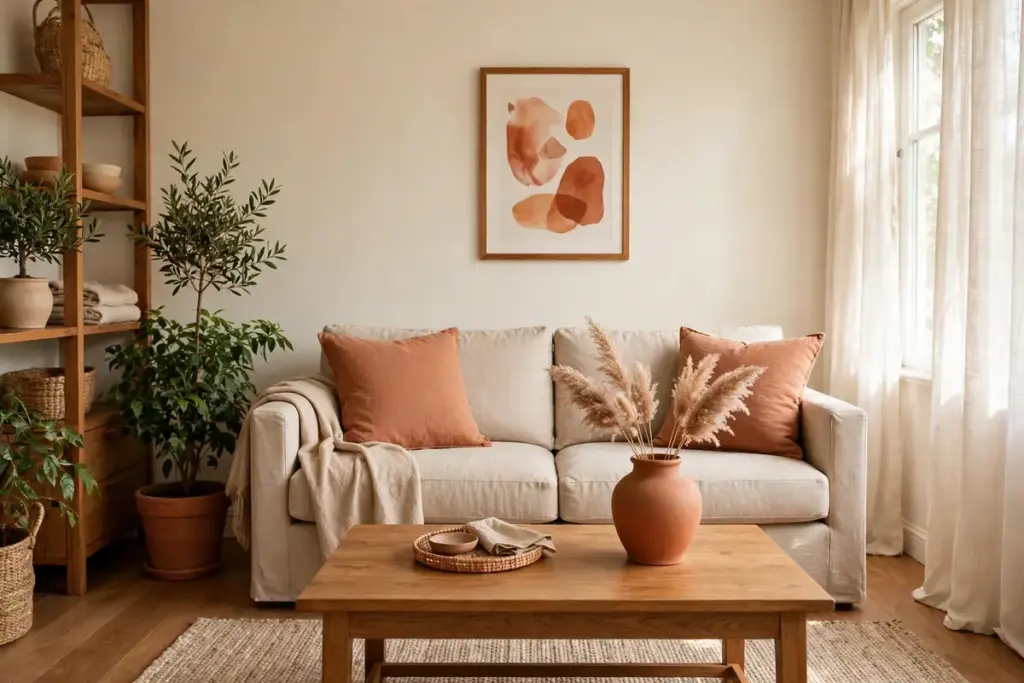
15. One Repeated Colour Thrice
DO:
- Choose one accent colour that already appears in your rug, art, or book covers.
- Repeat that colour exactly three times, in different materials such as fabric, ceramic, and paper.
- Space the three repeats across the room, so the eye travels from one side to the other.
- Keep the remaining palette neutral, so the repeated colour stands out clearly.
DON’T:
- Do not repeat the colour more than three times, or the room can feel themed rather than styled.
- Do not use three identical objects, such as three matching vases in a row.
- Do not introduce a second strong accent colour at the same time.
- Do not place all three repeats on the same surface or in one corner.
Repeating one colour three times creates cohesion without requiring a full redecoration. The repetition tells the eye that the choices were deliberate, even when the objects came from different rooms or secondhand shops. Step back and photograph the room to check that the three repeats feel balanced rather than clustered.
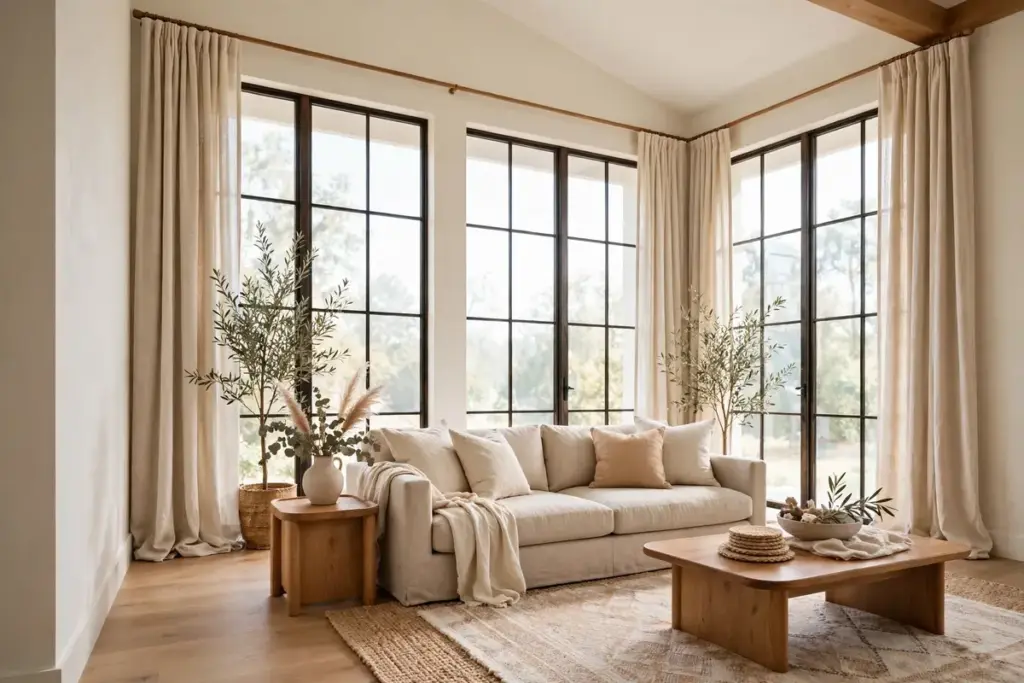
16. Curtains High And Wide
Cost: $0 if you move the existing rod; $20 to $60 for a longer rod and new panels.
Time: 45 minutes.
Skill Level: Beginner.
Best For: Small rooms and windows that feel cramped or low.
Hanging curtains high and wide makes windows look larger, even when the glass stays the same size. Mount the rod 4 to 6 inches above the window frame and extend it 6 to 10 inches beyond each side, so the panels frame the window rather than covering it. For a modern farmhouse living room, choose linen look panels in a warm neutral that matches your rug, and let them fall to just above the floor. Keep the panels pulled to the sides during the day so light reaches the room, and close them only in the evening for privacy and softness.
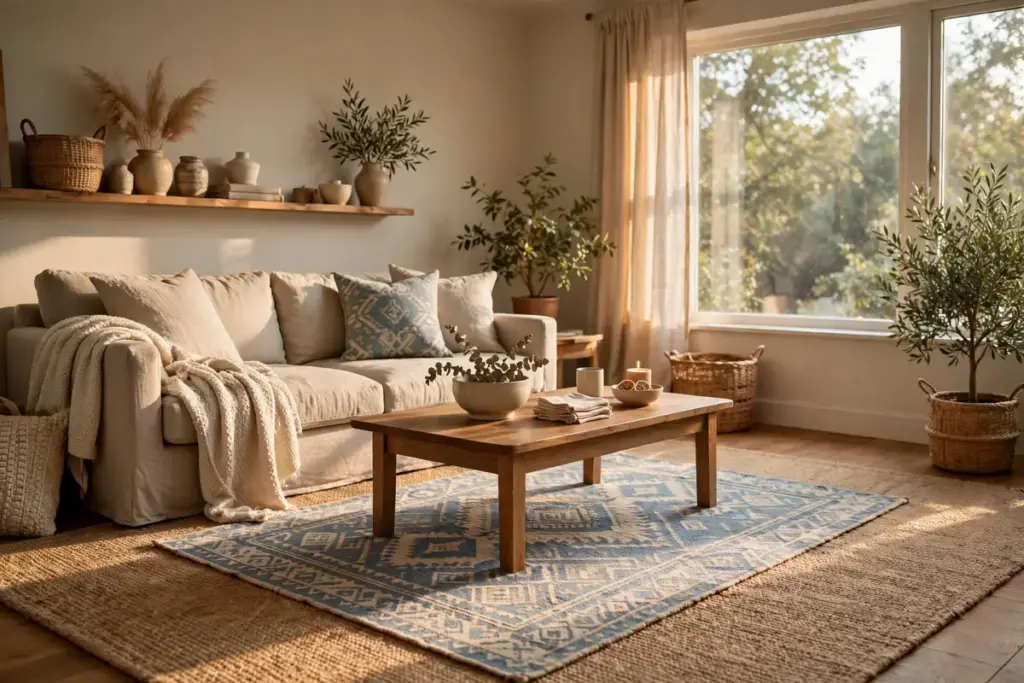
17. Secondhand Layered Rug
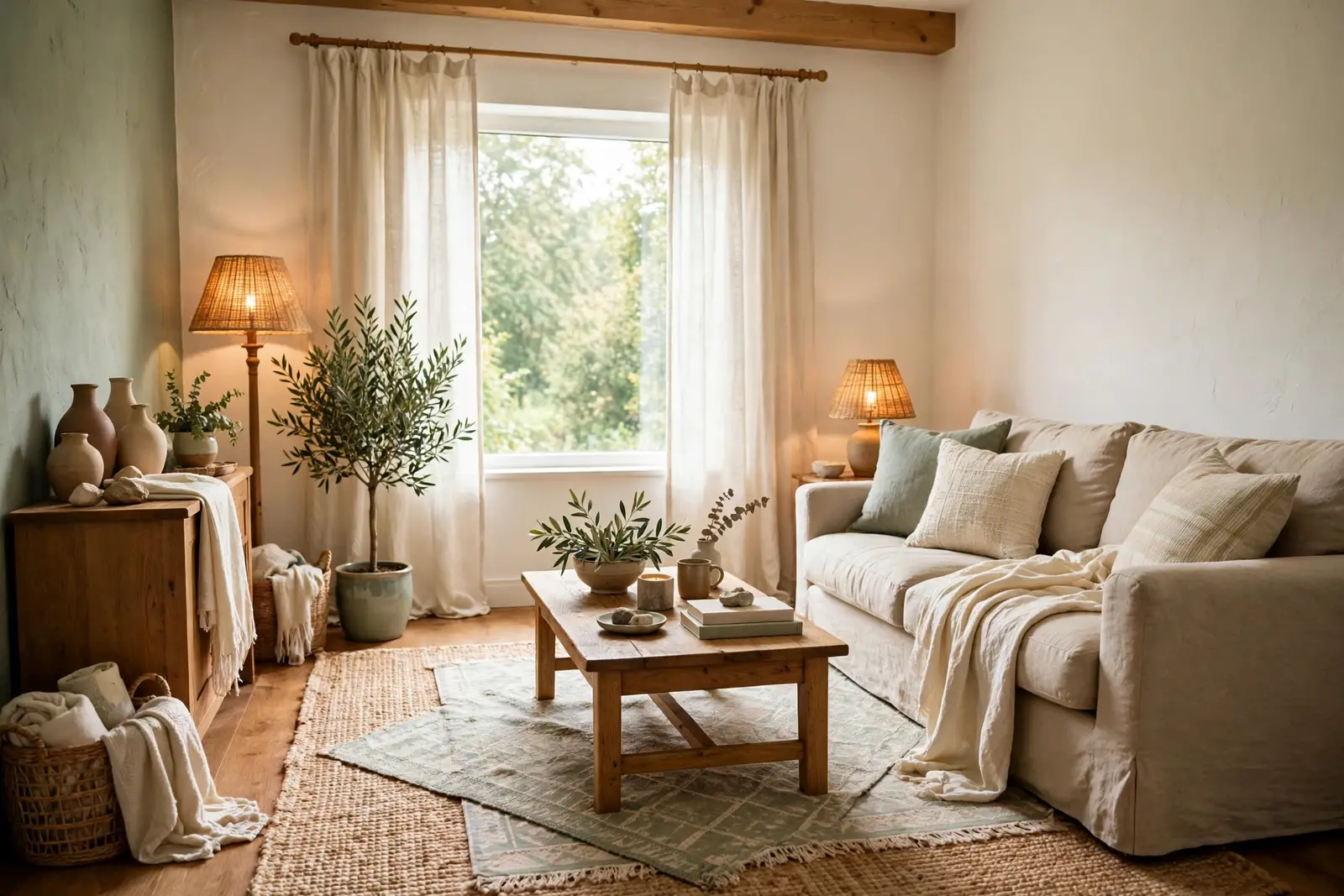
Layering rugs adds texture and pattern without committing to a single expensive piece. A large, neutral jute or flatweave rug forms the base, while a smaller patterned rug on top introduces colour and softness underfoot. The layered look works especially well in rented homes, where the base rug protects the floor and the top rug can move from room to room.
Search secondhand shops for the top rug first, because pattern and condition matter more than size at this stage. Check for stains, moth damage, and strong odours before buying, and measure the seating area so the top rug sits under the front legs of the sofa and chairs. In my experience, a $25 patterned rug layered over a plain base looks far more collected than a single new rug at three times the price.
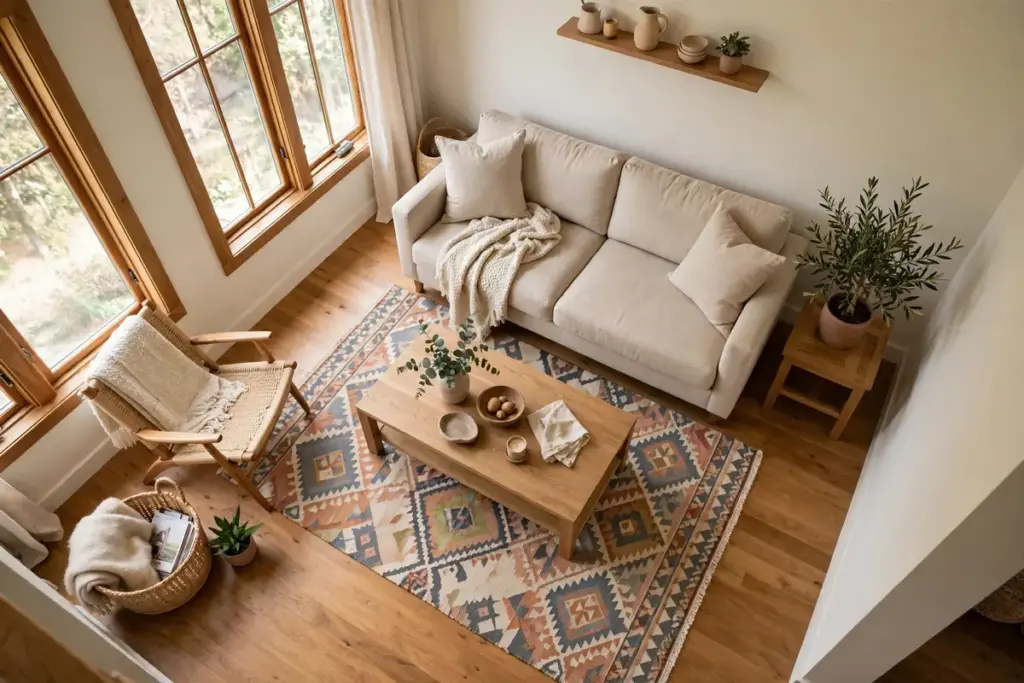
18. Rug Quarter Turn
- Photograph the current layout: Take a photo from the doorway before moving anything, so you can compare the change.
- Lift and rotate: With help, lift the furniture off the rug and turn the rug 90 degrees, keeping the centre of the room as the pivot point.
- Reposition furniture: Place the sofa and chairs so their front legs sit on the rug, and check that walkways remain clear.
- Live with it for a day: Notice whether the room feels longer, wider, or more balanced before making further changes.
- Adjust the coffee table: Centre the table on the rug, leaving equal space on each side for comfortable movement.
Turning a rug a quarter turn changes the direction of the pattern and the proportions of the seating area. A rug that ran lengthways can make a narrow room feel even narrower, while the same rug turned sideways can open up the floor and balance the furniture. This free move suits small rooms best, where a few inches of visual width make a real difference.
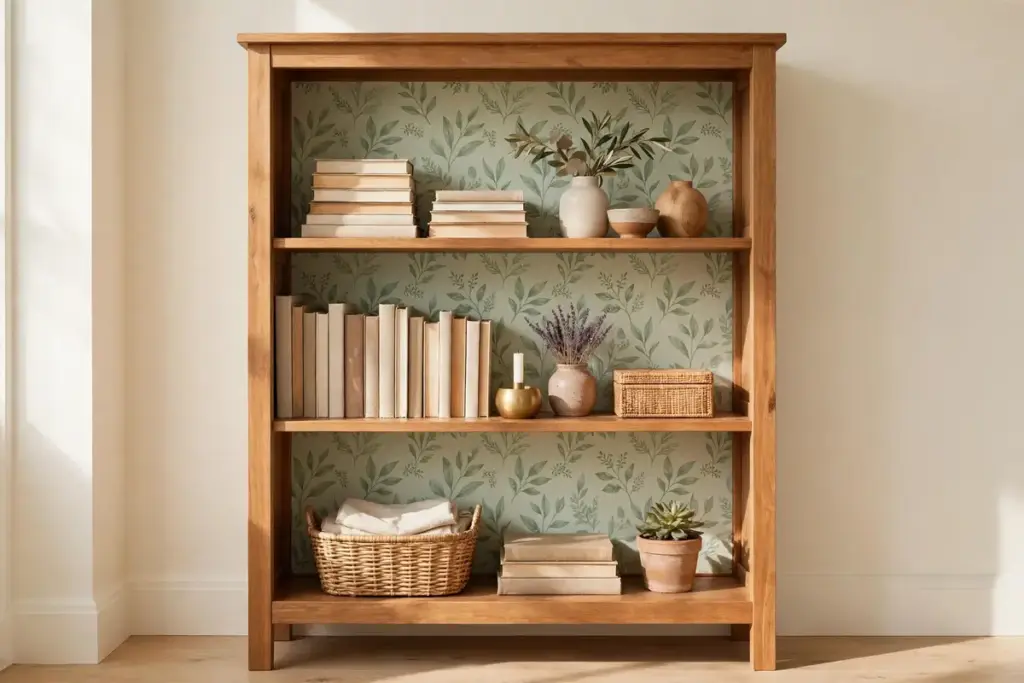
19. Peel-And-Stick Bookcase Back
Quick Tip: Choose a peel and stick paper in a muted pattern, such as sage stripes or a subtle botanical print, that shares one colour with your cushions. Measure the back panel carefully, cut the paper 1 inch larger than needed, and smooth it from the centre outward to avoid bubbles. Trim the excess with a craft knife for a clean edge.
A patterned bookcase back adds colour and depth behind books and objects, without painting or permanent changes. The back panel becomes a backdrop that makes everyday items look more intentional, especially when the shelves are edited to leave breathing room. Peel and stick paper removes cleanly in most rentals, so test a small corner first and follow the product instructions.
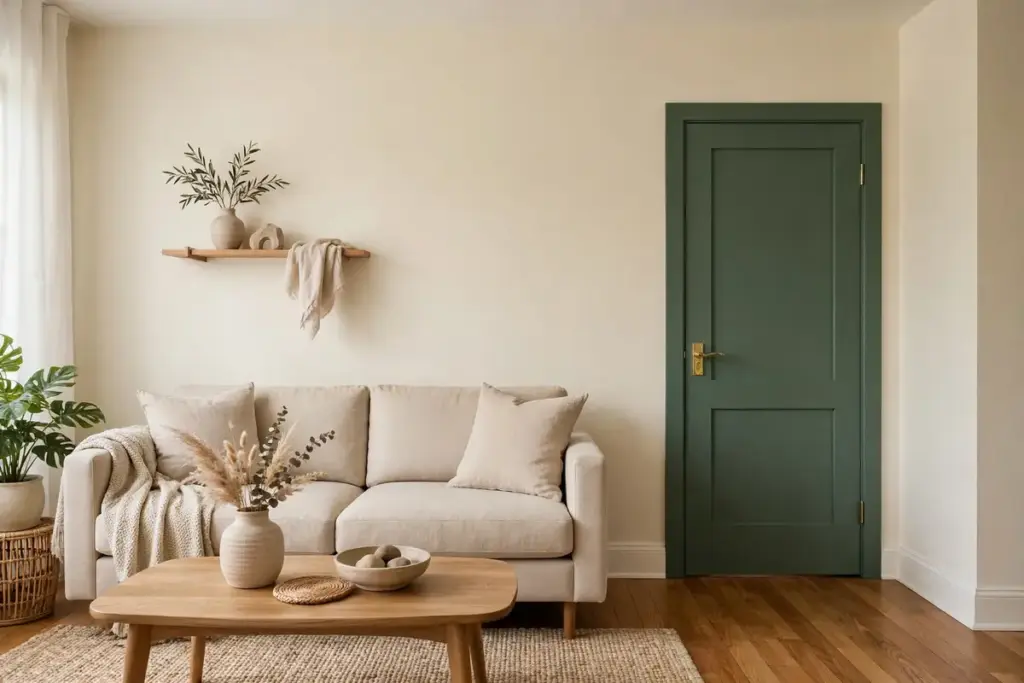
20. One Painted Door
BEFORE: The living room walls felt plain, yet painting the whole room seemed expensive, time consuming, and risky in a rental. The door blended into the wall, and the room lacked a single strong focal point.
AFTER: Painting one interior door in deep sage green creates a clear focal point that anchors the room. The colour appears again in cushion covers and art, so the door feels connected to the rest of the space rather than random.
One painted door delivers the impact of paint without the commitment of painting four walls. Choose a colour you already use elsewhere in the room, prepare the surface properly, and use a paint finish suited to doors and trim. Check your lease before painting in a rental, and keep the original paint details so you can restore the door if needed.
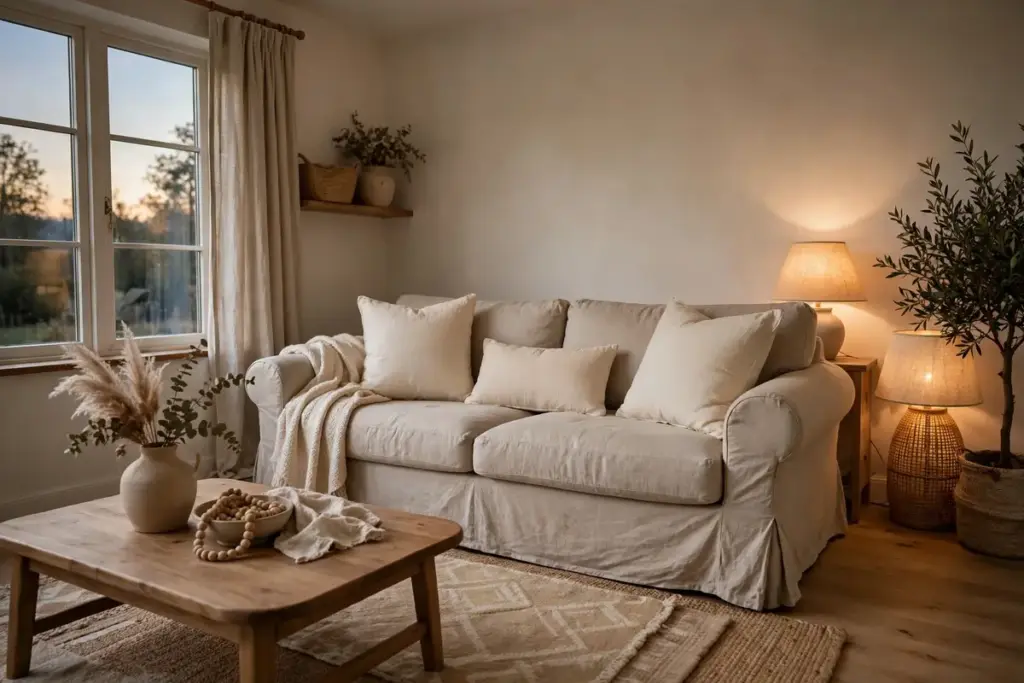
21. Slipcover Sofa Rescue
- Measure carefully: Record the sofa width, depth, seat height, and arm height, and compare them with the slipcover size chart before ordering.
- Choose washable fabric: Select a neutral linen or cotton blend that can be machine washed, especially in homes with children or pets.
- Fit and tuck: Slip the cover over the sofa, align the seams with the arms and back, and tuck excess fabric firmly into the creases.
- Smooth and steam: Smooth wrinkles by hand, then use a handheld steamer on a low setting to relax the fabric.
- Style the rest: Add cushion covers in one repeated colour, and keep the surrounding surfaces edited so the sofa remains the focus.
A well fitted slipcover can rescue a sofa that still feels comfortable but looks tired. Measure the sofa carefully, choose a washable fabric in a neutral tone, and tuck the excess fabric firmly into the seat and arm creases for a tailored look. With the right fit, even tired living room furniture can look intentional and refreshed, without the cost or waste of replacing a solid frame.
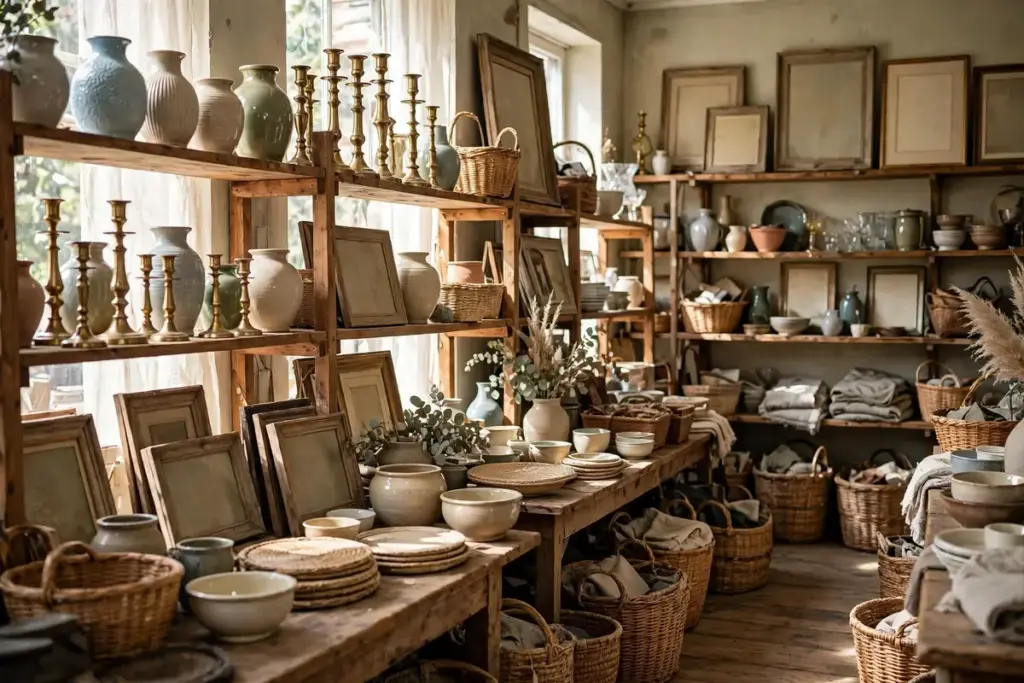
22. Thrift Hunt Shortlist
A short grab list keeps a thrift hunt focused and prevents impulse buying. Write down three specific items, such as a ceramic vase under $8, brass candlesticks under $12, or a framed landscape print under $15, and buy only items that match the list. Compared with browsing without a plan, a list helps you notice quality pieces quickly and walk past everything else.
A skip list is equally important. Skip damaged electronics, stained upholstery, chipped glassware, and anything that duplicates what you already own. In my experience, the most satisfying thrift finds are the ones that fill a gap on the waiting list, not the ones that simply look interesting on the shelf.
Thrift hunting works best when you visit with measurements and a clear budget in mind. Carry a tape measure, check each item for damage in daylight, and leave anything that needs major repair. A focused hunt saves money, reduces clutter, and adds character that new mass produced decor often lacks.
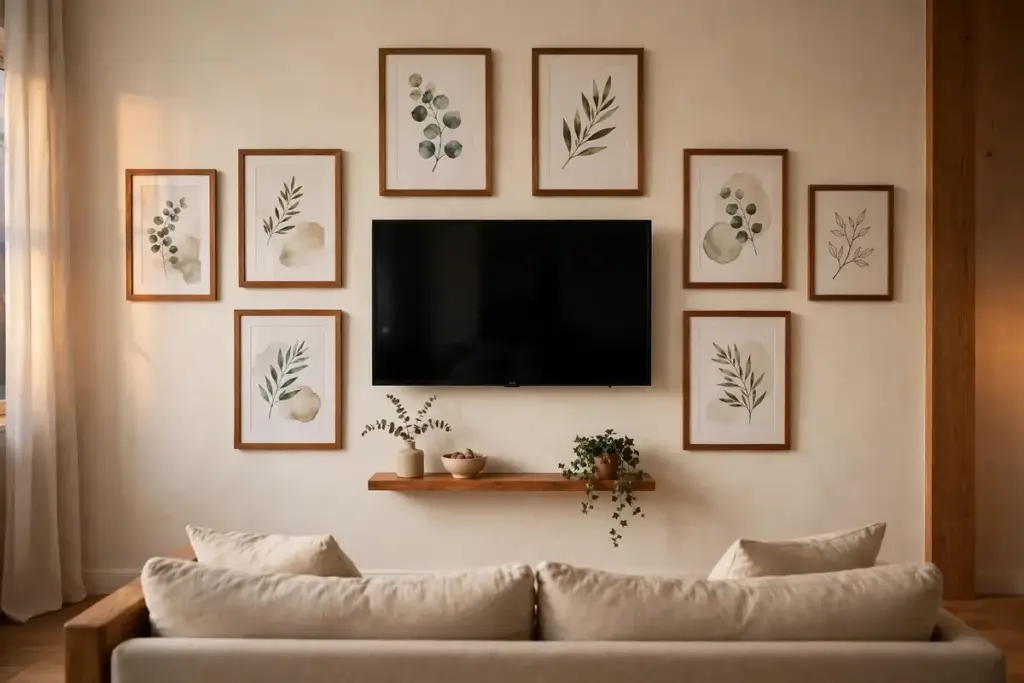
23. TV Wall Softening Gallery
DO:
- Hang frames at the same height as the centre of the television, so the wall reads as one composition.
- Mix frame sizes and finishes, while keeping one repeated colour for cohesion.
- Leave at least 2 inches between frames and the television edge for breathing room.
- Add a small shelf below the television for a candle, a book, or a trailing plant.
DON’T:
- Do not hang frames so close to the television that they compete with the screen.
- Do not use glossy frames that reflect light onto the screen.
- Do not cover the television vents or block access to cables and controls.
- Do not hang heavy frames above the television without secure fixings.
Softening the TV wall with a gallery makes the black screen feel like part of the room rather than a blank rectangle. The surrounding art draws the eye across the wall, and the television becomes less dominant when it is switched off. Use damage free hanging strips in rentals, and check the weight limit before hanging each frame.
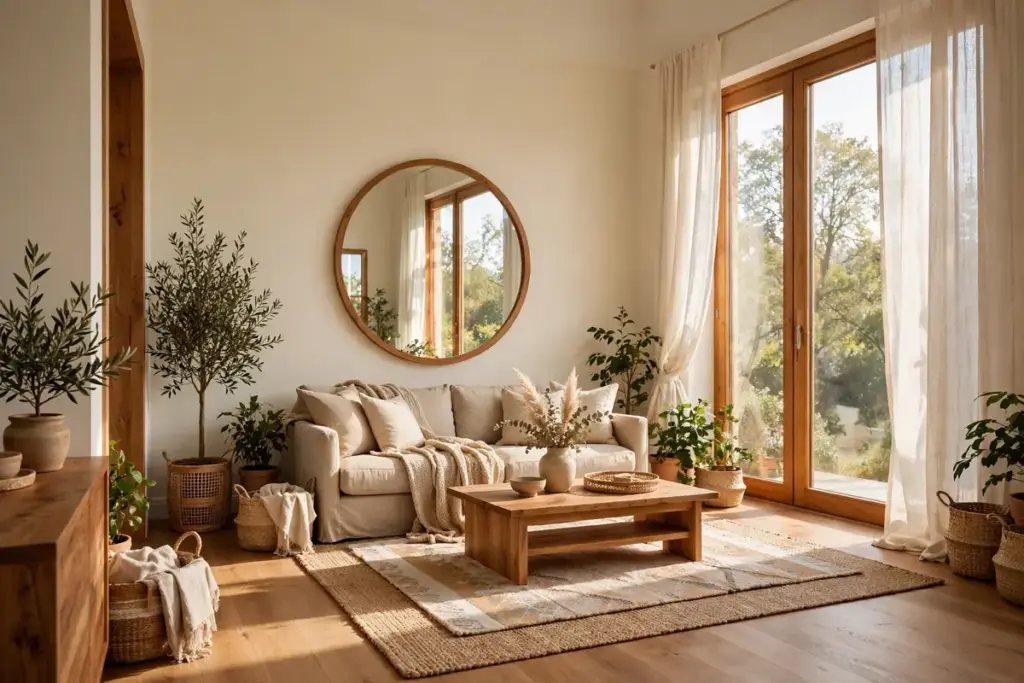
24. Mirror Opposite Window
Cost: $0 if you move a mirror you already own; $30 to $80 secondhand for a large mirror.
Time: 30 minutes.
Skill Level: Beginner.
Best For: Dark rooms and small living rooms that need more daylight.
A mirror placed opposite a window bounces daylight deeper into the room and makes the space feel larger. Hang the mirror at eye level, centred on the window, so it reflects the view and the light rather than a blank wall or ceiling. Check the reflection from the sofa before fixing the mirror in place, and adjust the height until the brightest part of the room appears in the glass.
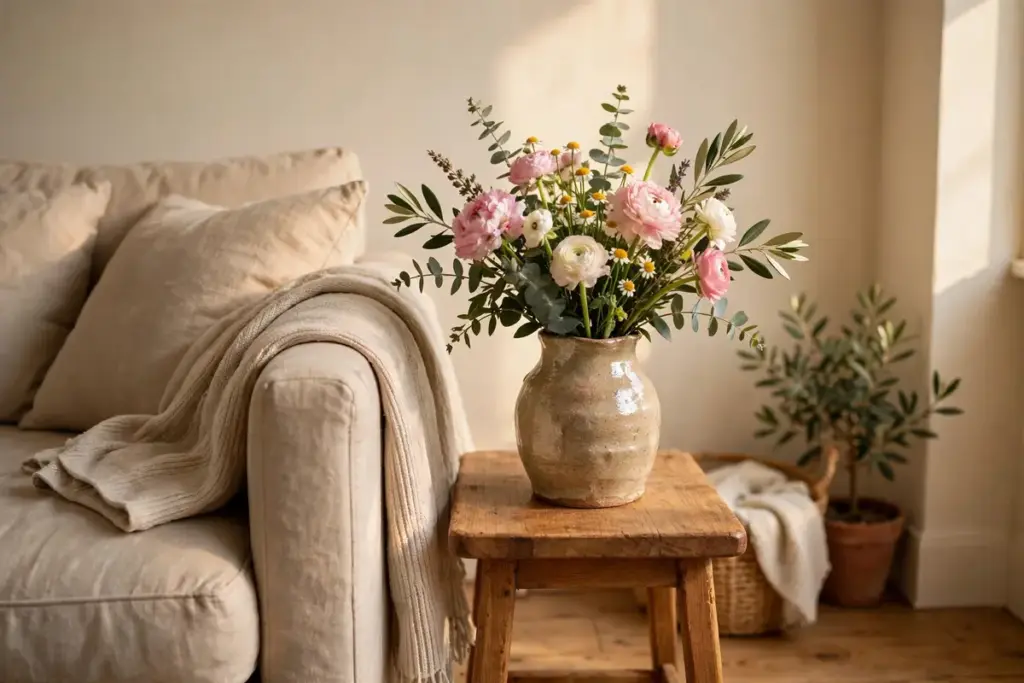
25. One Joyful Personal Object
A single personal object can make a room feel like home in a way that matching decor cannot. A handmade vase, a framed family photograph, or a souvenir from a meaningful trip carries a story that guests notice and ask about. Place the object where it can be seen from the main seating area, and give it space so it does not compete with other decorations.
Keep the surrounding surface edited, with no more than two other objects nearby, so the personal piece remains the focus. I’ve noticed that rooms with one clear personal touch feel warmer and more authentic than rooms filled with generic accessories. Choose the object that makes you smile each time you enter the room, and let it anchor the refresh.
Conclusion
Your living room does not need a renovation to feel brand new. The most lasting changes come from free first steps, such as photographing the room, editing surfaces, moving furniture, and improving warm light, followed by small, thoughtful textile and thrift updates. By repeating one colour, layering light at two or three heights, and waiting a week before buying, you protect your budget while building a room that feels calm, personal, and welcoming. Save this guide on Pinterest, choose one idea that fits your home and budget, and start with the free changes this weekend. Small, thoughtful updates, made in the right order, will help you refresh my living room in a way that feels personal, warm, and truly lived in.